Kirjojen hintavertailu – 12 903 725 kirjaa ja 27 kauppaa

Kirjailija

Andrea Sims

Kirjat ja teokset yhdessä paikassa: 4 kirjaa, julkaisuja vuosilta 2010–2024, suosituimpiin kuuluu Understanding Morphology. Vertaile teosten hintoja ja tarkista saatavuus suomalaisista kirjakaupoista.

4 kirjaa

Kirjojen julkaisuvuodet: 2010–2024.

Understanding Morphology

Understanding Morphology

Andrea Sims

Routledge
2024
sidottu
Understanding Morphology provides an accessible introduction to morphology, the study of word structure, and presents a clear overview of the major theoretical debates in this growing field. At its core, the book revolves around a comparison of the main approaches to morphological structure, which are discussed in the context of a continuum rather than regarded as separate entities. Adopting a balanced view to assessing these theories, and fully updated throughout, this third edition also features: Discussion of morphological phenomena from a wide variety of the world’s languages Presentation of the interfaces between morphology and syntax, and between morphology and phonology A brand new chapter on "Doing morphological analysis" covering principles of descriptive analysis Expanded exploratory exercises to challenge readers beyond the content of each chapter New and freely available online materials, including data sets to correspond to the exploratory exercises, extra guidance for readers on how to tackle these exercises, and extended illustrations of descriptive morphological analysis. Each of the twelve chapters also features a short summary, suggestions for further reading and exercises with answers provided. Combined with the book’s theoretical discussion and balanced approach, these features make Understanding Morphology the ideal book for both students of linguistics and researchers in morphology seeking a clear overview of the subject.
Understanding Morphology

Understanding Morphology

Andrea Sims

Routledge
2024
nidottu
Understanding Morphology provides an accessible introduction to morphology, the study of word structure, and presents a clear overview of the major theoretical debates in this growing field. At its core, the book revolves around a comparison of the main approaches to morphological structure, which are discussed in the context of a continuum rather than regarded as separate entities. Adopting a balanced view to assessing these theories, and fully updated throughout, this third edition also features: Discussion of morphological phenomena from a wide variety of the world’s languages Presentation of the interfaces between morphology and syntax, and between morphology and phonology A brand new chapter on "Doing morphological analysis" covering principles of descriptive analysis Expanded exploratory exercises to challenge readers beyond the content of each chapter New and freely available online materials, including data sets to correspond to the exploratory exercises, extra guidance for readers on how to tackle these exercises, and extended illustrations of descriptive morphological analysis. Each of the twelve chapters also features a short summary, suggestions for further reading and exercises with answers provided. Combined with the book’s theoretical discussion and balanced approach, these features make Understanding Morphology the ideal book for both students of linguistics and researchers in morphology seeking a clear overview of the subject.
Understanding Morphology

Understanding Morphology

Martin Haspelmath; Andrea Sims

Routledge
2015
sidottu
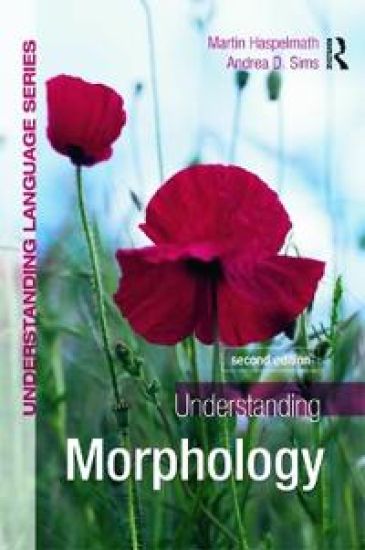
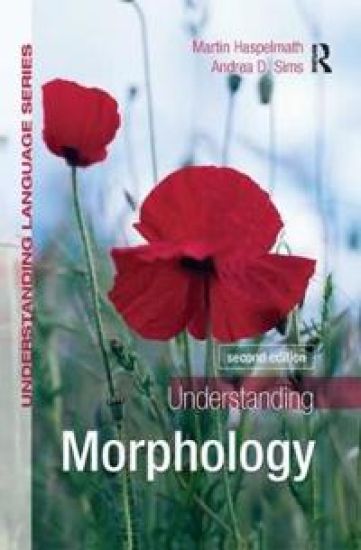
This new edition of Understanding Morphology has been fully revised in line with the latest research. It now includes 'big picture' questions to highlight central themes in morphology, as well as research exercises for each chapter. Understanding Morphology presents an introduction to the study of word structure that starts at the very beginning. Assuming no knowledge of the field of morphology on the part of the reader, the book presents a broad range of morphological phenomena from a wide variety of languages. Starting with the core areas of inflection and derivation, the book presents the interfaces between morphology and syntax and between morphology and phonology. The synchronic study of word structure is covered, as are the phenomena of diachronic change, such as analogy and grammaticalization. Theories are presented clearly in accessible language with the main purpose of shedding light on the data, rather than as a goal in themselves. The authors consistently draw on the best research available, thus utilizing and discussing both functionalist and generative theoretical approaches. Each chapter includes a summary, suggestions for further reading, and exercises. As such this is the ideal book for both beginning students of linguistics, or anyone in a related discipline looking for a first introduction to morphology.
Understanding Morphology

Understanding Morphology

Martin Haspelmath; Andrea Sims

Hodder Education
2010
nidottu
This new edition of Understanding Morphology has been fully revised in line with the latest research. It now includes 'big picture' questions to highlight central themes in morphology, as well as research exercises for each chapter. Understanding Morphology presents an introduction to the study of word structure that starts at the very beginning. Assuming no knowledge of the field of morphology on the part of the reader, the book presents a broad range of morphological phenomena from a wide variety of languages. Starting with the core areas of inflection and derivation, the book presents the interfaces between morphology and syntax and between morphology and phonology. The synchronic study of word structure is covered, as are the phenomena of diachronic change, such as analogy and grammaticalization. Theories are presented clearly in accessible language with the main purpose of shedding light on the data, rather than as a goal in themselves. The authors consistently draw on the best research available, thus utilizing and discussing both functionalist and generative theoretical approaches. Each chapter includes a summary, suggestions for further reading, and exercises. As such this is the ideal book for both beginning students of linguistics, or anyone in a related discipline looking for a first introduction to morphology.