Kirjojen hintavertailu – 12 903 725 kirjaa ja 27 kauppaa

Kirjailija

Andreas Kalyvas

Kirjat ja teokset yhdessä paikassa: 4 kirjaa, julkaisuja vuosilta 2008–2009, suosituimpiin kuuluu Democracy and the Politics of the Extraordinary. Vertaile teosten hintoja ja tarkista saatavuus suomalaisista kirjakaupoista.

4 kirjaa

Kirjojen julkaisuvuodet: 2008–2009.

Democracy and the Politics of the Extraordinary

Democracy and the Politics of the Extraordinary

Andreas Kalyvas

Cambridge University Press
2009
pokkari
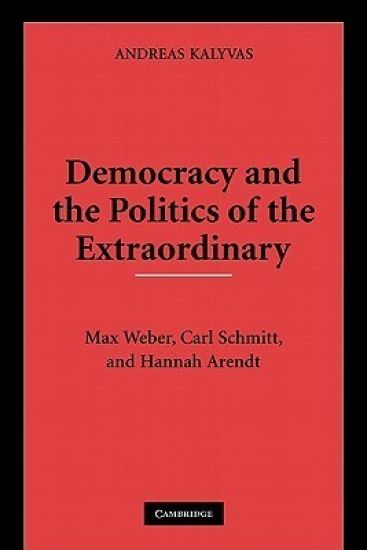
Although the modern age is often described as the age of democratic revolutions, the subject of popular founding has not captured the imagination of contemporary political thought. Most of the time, democratic theory and political science treat as the object of their inquiry normal politics, institutionalized power, and consolidated democracies. This study shows why it is important for democratic theory to rethink the question of democracy's beginnings. Is there a founding unique to democracies? Can a democracy be democratically established? What are the implications of expanding democratic politics in light of the question of whether and how to address democracy's beginnings? Kalyvas addresses these questions and scrutinizes the possibility of democratic beginnings in terms of the category of the extraordinary, as he reconstructs it from the writings of Max Weber, Carl Schmitt, and Hannah Arendt and their views on the creation of new political, symbolic, and constitutional orders.
Liberal Beginnings

Liberal Beginnings

Andreas Kalyvas; Katznelson Ira

Cambridge University Press
2008
sidottu
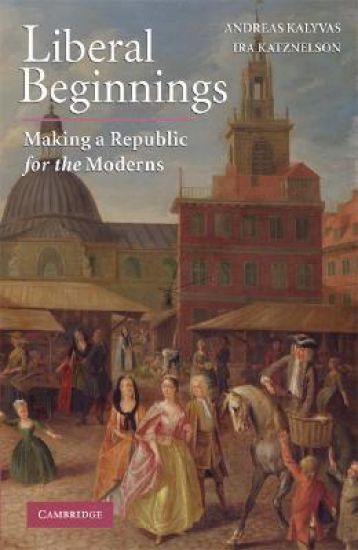
The book examines the origins and development of the modern liberal tradition and explores the relationship between republicanism and liberalism between 1750 and 1830. The authors consider the diverse settings of Scotland, the American colonies, the new United States, and France and examine the writings of six leading thinkers of this period: Adam Smith, Adam Ferguson, James Madison, Thomas Paine, Germaine de Staël, and Benjamin Constant. The book traces the process by which these thinkers transformed and advanced the republican project, both from within and by introducing new elements from without. Without compromising civic principles or abandoning republican language, they came to see that unrevised, the republican tradition could not grapple successfully with the political problems of their time. By investing new meanings, arguments, and justifications into existing republican ideas and political forms, these innovators fashioned a doctrine for a modern republic, the core of which was surprisingly liberal.
Democracy and the Politics of the Extraordinary

Democracy and the Politics of the Extraordinary

Andreas Kalyvas

Cambridge University Press
2008
sidottu
Although the modern age is often described as the age of democratic revolutions, the subject of popular founding has not captured the imagination of contemporary political thought. Most of the time, democratic theory and political science treat as the object of their inquiry normal politics, institutionalized power, and consolidated democracies. This study shows why it is important for democratic theory to rethink the question of democracy's beginnings. Is there a founding unique to democracies? Can a democracy be democratically established? What are the implications of expanding democratic politics in light of the question of whether and how to address democracy's beginnings? Kalyvas addresses these questions and scrutinizes the possibility of democratic beginnings in terms of the category of the extraordinary, as he reconstructs it from the writings of Max Weber, Carl Schmitt, and Hannah Arendt and their views on the creation of new political, symbolic, and constitutional orders.
Liberal Beginnings

Liberal Beginnings

Andreas Kalyvas; Ira Katznelson

Cambridge University Press
2008
pokkari
The book examines the origins and development of the modern liberal tradition and explores the relationship between republicanism and liberalism between 1750 and 1830. The authors consider the diverse settings of Scotland, the American colonies, the new United States, and France and examine the writings of six leading thinkers of this period: Adam Smith, Adam Ferguson, James Madison, Thomas Paine, Germaine de Staël, and Benjamin Constant. The book traces the process by which these thinkers transformed and advanced the republican project, both from within and by introducing new elements from without. Without compromising civic principles or abandoning republican language, they came to see that unrevised, the republican tradition could not grapple successfully with the political problems of their time. By investing new meanings, arguments, and justifications into existing republican ideas and political forms, these innovators fashioned a doctrine for a modern republic, the core of which was surprisingly liberal.