Kirjojen hintavertailu – 12 903 731 kirjaa ja 27 kauppaa

Kirjailija

Andres De Los Reyes

Kirjat ja teokset yhdessä paikassa: 9 kirjaa, julkaisuja vuosilta 2024–2026, suosituimpiin kuuluu Youth Development in Context. Vertaile teosten hintoja ja tarkista saatavuus suomalaisista kirjakaupoista.

9 kirjaa

Kirjojen julkaisuvuodet: 2024–2026.

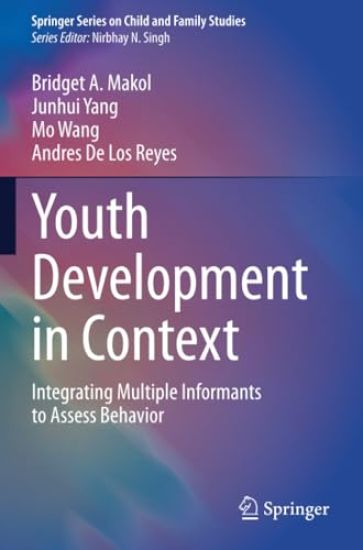
Youth Development in Context

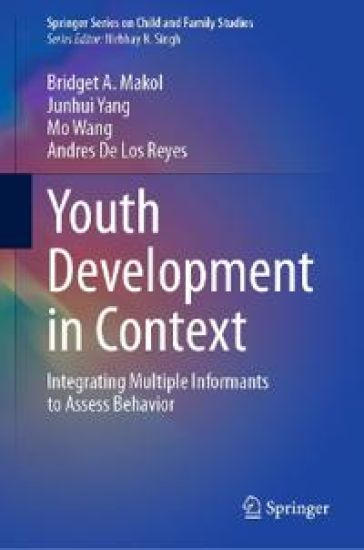
Youth Development in Context

Bridget A. Makol; Junhui Yang; Mo Wang; Andres De Los Reyes

Springer International Publishing AG
2025
sidottu
This book investigates the most common approach to assessing behavior in youth development. It explores use of multiple informants who each observe youth in the social contexts that typify their everyday lives, including parents, teachers, peers, and youth themselves. The volume characterizes the most common outcome from taking this assessment approach — the discrepant results or estimates about behavior that informants’ reports often produce. Grounded in the Operations Triad Model — the foundational framework for contemporary scholarship about discrepant results — this book focuses on strategies that discrepant results compel scholars to implement, namely strategies for integrating these results. The book highlights that the integrative strategies scholars have historically used prevent them from capitalizing on the valid data that discrepant results often contain. This authoritative, thoroughly resourced, and methodologically rigorous book provides readers with integrative strategies that align with scholarship in youth development. In doing so, the book provides readers with a paradigm for testing competing data integration strategies, using a sophisticated suite of Monte Carlo Simulation and measurement validation tools that are applicable to a host of assessment scenarios in scholarship on youth development. Key areas of coverage include: Use of multiple informants to assess behavior in youth development. The frequent observation of discrepant results when assessing behavior in youth development. Theoretical models for explaining discrepant results in behavior assessments and how they inform strategies for integrating assessment data. Key distinctions in the assumptions that underlie the use of competing integrative strategies. Application of Monte Carlo Simulation strategies for testing competing integrative strategies. Implementation of measurement validation strategies that put competing integrative strategies to the test, within data conditions that typify research in youth development. Youth Development in Context is an essential resource for researchers, professors, graduate students as well as clinicians, therapists, and other professionals in developmental psychology, social work, public health, pediatrics, family studies, child and adolescent psychiatry, school and educational psychology, and all interrelated disciplines. This book investigates the most common approach to assessing behavior in youth development. It explores use of multiple informants who each observe youth in the social contexts that typify their everyday lives, including parents, teachers, peers, and youth themselves. The volume characterizes the most common outcome from taking this assessment approach — the discrepant results or estimates about behavior that informants’ reports often produce. Grounded in the Operations Triad Model — the foundational framework for contemporary scholarship about discrepant results — this book focuses on strategies that discrepant results compel scholars to implement, namely strategies for integrating these results. The book highlights that the integrative strategies scholars have historically used prevent them from capitalizing on the valid data that discrepant results often contain. This authoritative, thoroughly resourced, and methodologically rigorous book provides readers with integrative strategies that align with scholarship in youth development. In doing so, the book provides readers with a paradigm for testing competing data integration strategies, using a sophisticated suite of Monte Carlo Simulation and measurement validation tools that are applicable to a host of assessment scenarios in scholarship on youth development. Key areas of coverage include: Use of multiple informants to assess behavior in youth development. The frequent observation of discrepant results when assessing behavior in youth development. Theoretical models for explaining discrepant results in behavior assessments and how they inform strategies for integrating assessment data. Key distinctions in the assumptions that underlie the use of competing integrative strategies. Application of Monte Carlo Simulation strategies for testing competing integrative strategies. Implementation of measurement validation strategies that put competing integrative strategies to the test, within data conditions that typify research in youth development. Youth Development in Context is an essential resource for researchers, professors, graduate students as well as clinicians, therapists, and other professionals in developmental psychology, social work, public health, pediatrics, family studies, child and adolescent psychiatry, school and educational psychology, and all interrelated disciplines.

Entwicklung von Jugendlichen im sozialen Kontext

Entwicklung von Jugendlichen im sozialen Kontext

Bridget A. Makol; Junhui Yang; Wang Mo; Andres De Los Reyes

Springer Nature Switzerland AG
2026
Sidottu
Dieses Buch untersucht den in der Entwicklungsforschung am häufigsten verwendeter Ansatz zur Einschätzung von Verhalten im Jugendalter: die Nutzung mehrerer Informanten. Das Verhalten von Jugendlichen wird im Alltag aus unterschiedlichen sozialen Kontexten heraus beobachtet – etwa durch Eltern, Lehrkräfte, Gleichaltrige und durch die Jugendlichen selbst. Daraus ergeben sich häufig voneinander abweichende Einschätzungen desselben Verhaltens. Der Band beschreibt dieses typische Ergebnis multipler Einschätzungen – die Diskrepanz zwischen den Berichten verschiedener Informanten – und ordnet es theoretisch fundiert ein. Ausgangspunkt ist das Operations Triad Modell, ein zentrales Rahmenkonzept der gegenwärtigen Forschung zur Erklärung solcher Diskrepanzen. Darauf aufbauend richtet sich der Fokus auf Strategien, mit denen Forschende widersprüchliche Befunde systematisch integrieren können. Zentrale Themenbereiche des Buches sind: die Erfassung von Verhalten und Entwicklung im Jugendalter mithilfe mehrerer Informanten das häufige Auftreten diskrepanter Einschätzungen zwischen Eltern, Lehrkräften, Peers und Jugendlichen theoretische Modelle zur Erklärung dieser Diskrepanzen und ihre Bedeutung für die Datenauswertung grundlegende Annahmen und Unterschiede konkurrierender Integrationsstrategien der Einsatz von Monte Carlo Simulationen zur Prüfung unterschiedlicher Integrationsansätze Validierungsverfahren zur Bewertung von Messinstrumenten unter realistischen Forschungsbedingungen Das Werk zeigt, dass viele bislang verwendete Integrationsstrategien das valide Informationspotenzial diskrepanter Befunde nur unzureichend ausschöpfen. Demgegenüber wird ein methodisch anspruchsvolles Paradigma entwickelt, mit dem konkurrierende Integrationsansätze systematisch geprüft werden können. Der Band richtet sich an Forschende, Lehrende und fortgeschrittene Studierende sowie an Fachpersonen aus Entwicklungspsychologie, Sozialarbeit, Public Health, Pädiatrie, Familien und Jugendforschung, Kinder und Jugendpsychiatrie sowie Schul und Bildungspsychologie.
Know-how für eine erfolgreiche Forschungskarriere

Know-how für eine erfolgreiche Forschungskarriere

Andres De Los Reyes

Springer International Publishing AG
2025
sidottu
Dieses Buch behandelt wichtige Themen der beruflichen Entwicklung für junge Nachwuchs-ForscherInnen und beginnt mit Ratschlägen zur Auswahl von MentorInnen und zur Optimierung von Mentoring-Beziehungen. Auf dieser Grundlage beschreibt das Buch, wie man durch den Peer-Review-Prozess navigiert, insbesondere beim Veröffentlichen in akademischen Zeitschriften, und wie man Verbindungen zwischen den verschiedenen akademischen Arbeiten herstellt, die in den frühen Karrierejahren veröffentlicht werden. Es enthält Strategien zur Nutzung von Erzähltechniken, um ein Forschungsprogramm aufzubauen, sowie konkrete Anleitungen für akademische Vorstellungsgespräche. Darüber hinaus bietet das Buch einen Abschnitt namens „Anonyme Berichte“, der reale Beispiele dafür liefert, wie junge ForscherInnen viele Aspekte ihrer Ausbildung erlebt haben, und zeigt auf, wie man Hindernisse auf dem Weg zum Erfolg auf dem akademischen Arbeitsmarkt überwindet. Wichtige Themen sind: Auswahl und Zusammenarbeit mit MentorInnen. Umgang mit dem Peer-Review-Prozess beim Publizieren in akademischen Zeitschriften. Aufbau eines Forschungsprogramms. Durchführung akademischer Vorstellungsgespräche. Dieses Buch ist eine unverzichtbare Ressource für Graduiertenstudierende, PostdoktorandInnen und angehende Studierende sowie für andere Fachleute, die eine Ressource suchen, die ihnen hilft, im akademischen Arbeitsmarkt erfolgreich zu sein.
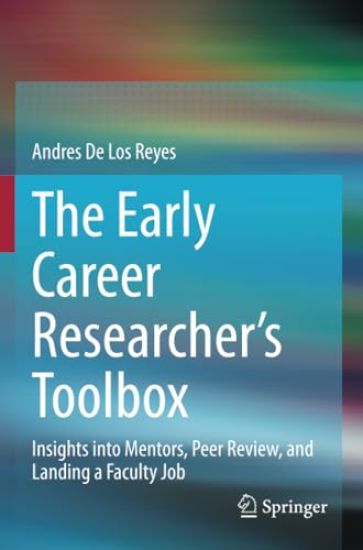
The Early Career Researcher's Toolbox

The Early Career Researcher's Toolbox

Andres De Los Reyes

Springer International Publishing AG
2025
nidottu
This book probes professional development issues crucial to early career researchers, beginning with advice on selecting mentors and optimizing mentoring relationships. From this foundation, the book describes how to navigate the peer-review process, particularly when publishing in academic journals, as well as build connections between the different pieces of academic work published during the early career years. It details strategies to leverage the tools of storytelling to build a research program coupled with concrete guidance on delivering job talks during academic job interviews. In addition, the book includes a feature, Anonymous Accounts, which provides real-life examples of how early career researchers experienced many aspects of their training and illustrates how to overcome obstacles on the path to success in the academic job market. Key topics featured include:Selecting and working with mentors. Navigating peer review when publishing in academic journals. Building a research program. Delivering academic job talks. The Early Career Researcher’s Toolbox is a must-have resource for graduate students, post-doctoral fellows, and aspiring undergraduate students as well as all early career and other professionals in search of a resource designed to help them succeed in the academic job market.
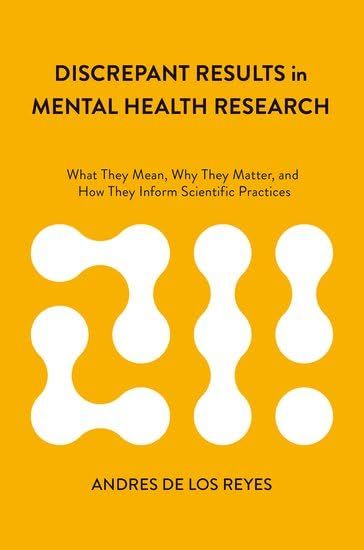
Discrepant Results in Mental Health Research

Discrepant Results in Mental Health Research

Andres De Los Reyes

OXFORD UNIVERSITY PRESS INC
2024
sidottu
Discrepant Results in Mental Health Research probes the most common outcomes of mental health studies. Discrepant results appear in scores of studies traversing the globe--a literature dating back to the 1950s. This literature reveals that any two studies often differ in their estimates of anything from the prevalence of mental health conditions to the effects of mental health treatments. In fact, researchers often encounter discrepant results among findings made in a single study. Discrepant results factor into what we think we know about how often mental health conditions occur, what causes them, and how to treat them. Yet, researchers do not know what to do with discrepant results when they encounter them. The problem is not with their methods--discrepant results appear even when researchers use high-quality instruments to collect data. The problem lies with how researchers interpret their data, and the decisions they make with those data. To address this problem, the book reveals a conceptually grounded, evidence-based approach to discrepant results in mental health research. It describes the robust nature of these discrepant results, along with theoretical models for understanding and interpreting them. These models inform sound scientific practices. The book reviews work that has implemented these practices, and it also leverages illustrative case examples to facilitate content mastery. Additionally, it describes future directions in research on discrepant results across several areas of work, including measurement development, intervention science, data analysis, and clinical populations that have received relatively little attention on issues surrounding discrepant results, such as suicide risk and autism.
Introduction to Clinical Psychology

Introduction to Clinical Psychology

Douglas A. Bernstein; Bethany A. Teachman; Bunmi O. Olatunji; Andres De Los Reyes

Cambridge University Press
2024
pokkari
Fully updated and revised, the tenth edition of this bestselling textbook introduces clinical psychology as a bridge between science and practice. Featuring over 1000 new references, the revised text includes additional coverage of digital mental health, diversity, and identity, and the practice of evidence-based clinical science. Coverage of such topics as emerging models for clinical training and accreditation, new approaches to diagnosing and classifying mental illness, and changes in healthcare legislation ensure that students will understand the very latest trends in the subject. The pedagogical focus of previous editions is maintained. 'Thinking Scientifically' sections in each chapter break down how to evaluate conflicting findings and use them to draw conclusions, while clinical vignettes bring concepts and theories to life. 'In Review' tables at the end of each major section prompt students to review material and test their comprehension. The text is accompanied by a full suite of online teaching supports.
Introduction to Clinical Psychology

Introduction to Clinical Psychology

Douglas A. Bernstein; Bethany A. Teachman; Bunmi O. Olatunji; Andres De Los Reyes

Cambridge University Press
2024
sidottu
Fully updated and revised, the tenth edition of this bestselling textbook introduces clinical psychology as a bridge between science and practice. Featuring over 1000 new references, the revised text includes additional coverage of digital mental health, diversity, and identity, and the practice of evidence-based clinical science. Coverage of such topics as emerging models for clinical training and accreditation, new approaches to diagnosing and classifying mental illness, and changes in healthcare legislation ensure that students will understand the very latest trends in the subject. The pedagogical focus of previous editions is maintained. 'Thinking Scientifically' sections in each chapter break down how to evaluate conflicting findings and use them to draw conclusions, while clinical vignettes bring concepts and theories to life. 'In Review' tables at the end of each major section prompt students to review material and test their comprehension. The text is accompanied by a full suite of online teaching supports.
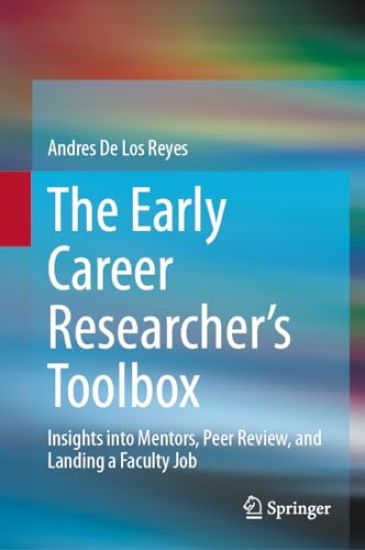
The Early Career Researcher's Toolbox

The Early Career Researcher's Toolbox

Andres De Los Reyes

Springer International Publishing AG
2024
sidottu
This book probes professional development issues crucial to early career researchers, beginning with advice on selecting mentors and optimizing mentoring relationships. From this foundation, the book describes how to navigate the peer-review process, particularly when publishing in academic journals, as well as build connections between the different pieces of academic work published during the early career years. It details strategies to leverage the tools of storytelling to build a research program coupled with concrete guidance on delivering job talks during academic job interviews. In addition, the book includes a feature, Anonymous Accounts, which provides real-life examples of how early career researchers experienced many aspects of their training and illustrates how to overcome obstacles on the path to success in the academic job market. Key topics featured include:Selecting and working with mentors. Navigating peer review when publishing in academic journals. Building a research program. Delivering academic job talks. The Early Career Researcher’s Toolbox is a must-have resource for graduate students, post-doctoral fellows, and aspiring undergraduate students as well as all early career and other professionals in search of a resource designed to help them succeed in the academic job market.