
Kirjailija
Andrew B. Newberg
Kirjat ja teokset yhdessä paikassa: 8 kirjaa, julkaisuja vuosilta 1999–2025, suosituimpiin kuuluu Neuroteología católica. Vertaile teosten hintoja ja tarkista saatavuus suomalaisista kirjakaupoista.
Nimi esiintyy myös muodoissa: Andrew B Newberg
8 kirjaa
Kirjojen julkaisuvuodet: 1999–2025.
The Metaphysical Mind: Probing the Biology of Philosophical Thought
Andrew B. Newberg
Createspace Independent Publishing Platform
2013
nidottu
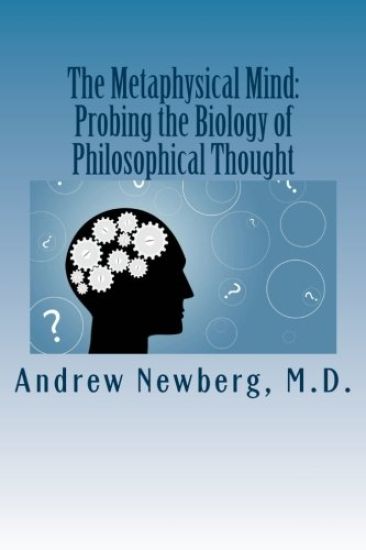
How are philosophical and theological concepts conceived in the mind? Why are certain topics of greater importance to philosophers and theologians? Why do people think about these issues in the first place? These are the questions that are explored in the ground breaking book, "The Metaphysical Mind". Philosophy and theology usually considers various fundamental concepts such as those related to being, reality, causality, logic, or phenomenology. But the philosophical approach to these topics often leaves out one of the most important things - the human brain. After all, it is the brain that is actually thinking about these ideas in the first place. "The Metaphysical Mind" explores the relationship between the brain and philosophical thought and helps us to understand how the brain enables and restricts our ability to think about these metaphysical concepts. One of the major developments of contemporary thought has been the field of hermeneutics. Hermeneutics considers the environmental, linguistic, and cultural factors that influence a given philosopher in order to determine how particular ideas or texts may have been shaped. However, no one has ever examined philosophical and theological thought specifically from the hermeneutical perspective of the neurobiological and genetic substrate that underlies such thinking. This "neuroscientific hermeneutic" or "neurohermeneutic" refers specifically to the functions of the brain and how they are related to various thought processes which have been at the cornerstone of philosophical and theological thought throughout history. Additionally, this neurohermeneutic helps to better interpret how and why such thoughts develop. Neurohermeneutics is based upon a synthesis of information from multiple fields including anthropology, neurophysiology, cognitive neuroscience, genetics, theology, and philosophy. Many of the major milestones in the history of philosophical and theological thought from pre-Socratic thinkers to the present day can be considered from the perspective of the functioning of the human mind and its multimodal interaction with the social, cultural, intellectual, and physical environment. In particular, the development of some of the most dramatic concepts in philosophy and theology can be considered in relation to certain brain functions and how those functions enable human beings to interpret meaning in the world. Similarly, contemplative/meditative traditions can be considered to be associated with certain brain functions in order to explore how such experiences are perceived and interpreted. This book will also consider the issue of the experience of reality from a neurophysiological perspective. This leads to fascinating conclusions regarding the nature and degrees of reality and how the brain experiences that reality. Although not all philosophical and theological concepts will be examined, many of the major movements will be considered in order to extrapolate to the notion that a neurobiological hermeneutic may provide a basis and fundamental bias for all philosophical thinking - a "metaphilosophy" (or "metatheology" in the specific context of religion). Ultimately, this approach might even lead to a "megaphilosophy" containing universal concepts that could be conceived of from any philosophical or theological perspective. The result of this analysis leads to a description of the "metaphysical mind" which is necessarily driven to pursue philosophical and theological questions, but also shapes how the answers to such questions arise. Thus, the brain itself is "designed" to function in a philosophical or metaphysical manner. This revolutionary approach to philosophical and theological thought will provide readers something to think about for the millennium to come.
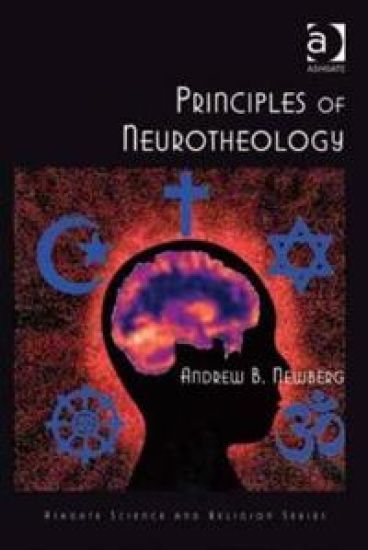
First Published in 2017. Neurotheology has garnered substantial attention in the academic and lay communities in recent years. Several books have been written addressing the relationship between the brain and religious experience and numerous scholarly articles have been published on the topic, some in the popular press. The scientific and religious communities have been very interested in obtaining more information regarding neurotheology, how to approach this topic, and how science and religion can be integrated in some manner that preserves both. If neurotheology is to be considered a viable field going forward, it requires a set of clear principles that can be generally agreed upon and supported by both the theological or religious perspective and the scientific one as well. Principles of Neurotheology sets out the necessary principles of neurotheology which can be used as a foundation for future neurotheological discourse. Laying the groundwork for a new synthesis of scientific and theological dialogue, this book proposes that neurotheology, a term fraught with potential problems, is a highly useful and important voice in the greater study of religious and theological ideas and their intersection with science.
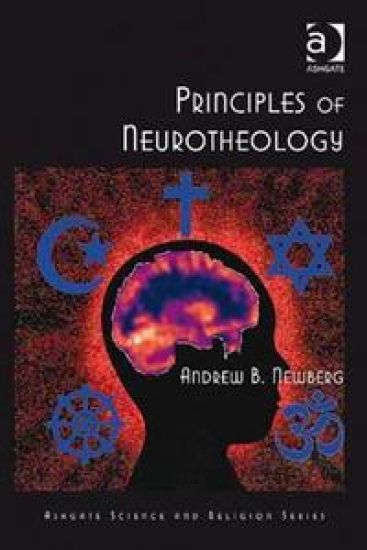
First Published in 2017. Neurotheology has garnered substantial attention in the academic and lay communities in recent years. Several books have been written addressing the relationship between the brain and religious experience and numerous scholarly articles have been published on the topic, some in the popular press. The scientific and religious communities have been very interested in obtaining more information regarding neurotheology, how to approach this topic, and how science and religion can be integrated in some manner that preserves both. If neurotheology is to be considered a viable field going forward, it requires a set of clear principles that can be generally agreed upon and supported by both the theological or religious perspective and the scientific one as well. Principles of Neurotheology sets out the necessary principles of neurotheology which can be used as a foundation for future neurotheological discourse. Laying the groundwork for a new synthesis of scientific and theological dialogue, this book proposes that neurotheology, a term fraught with potential problems, is a highly useful and important voice in the greater study of religious and theological ideas and their intersection with science.
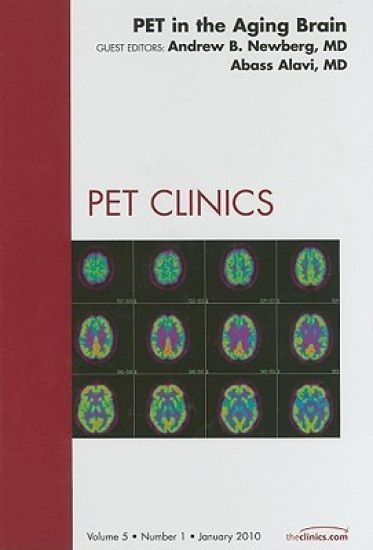
PET in the Aging Brain, An Issue of PET Clinics
Andrew B. Newberg; Abass Alavi
W B Saunders Co Ltd
2010
sidottu
PET imaging has shown its value in diagnosing diseases affecting older people. Most significantly this has been with regard to the diagnosis of Alzheimer's disease and other forms of dementia. Parkinson's disease is another condition in which PET has proved valuable. This issue also included articles on the uses of PET for diagnosing cerebrovascular disease and for assessing neuroplasticity.
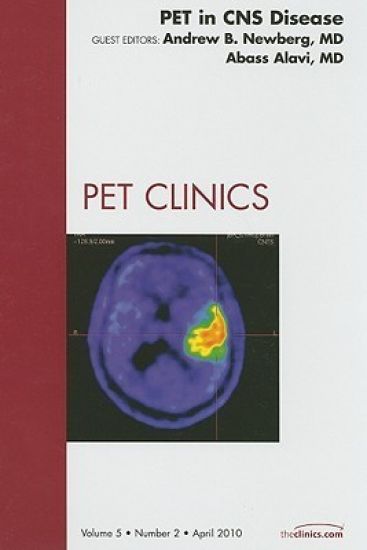
PET in CNS Disease, An Issue of PET Clinics
Andrew B. Newberg; Abass Alavi
W B Saunders Co Ltd
2010
sidottu
Since PET was first introduced clinically, brain tumors have been an important area for its use. Diagnosing the cause of patients experiencing seizures has been an additional area for which PET has demonstrated its value. PET imaging is also being investigated for the understanding of depression and other psychiatric disorders. Also the challenges for developing radiotracers is reviewed in a separate article.
How does the mind experience the sacred? What biological mechanisms are involved in mystical states and trances? Is there a neurological basis for patterns in comparative religions? Does religion have an evolutionary function? This pathbreaking work by two leading medical researchers explores the neurophysiology of religious experience. Building on an explanation of the basic structure of the brain, the authors focus on parts most relevant to human experience, emotion, and cognition. On this basis, they plot how the brain is involved in mystical experiences. Successive chapters apply this scheme to mythmaking, ritual and liturgy, meditation, near-death experiences, and theology itself. Anchored in such research, the authors also sketch the implications of their work for philosophy, science, theology, and the future of religion.