Kirjojen hintavertailu – 12 879 721 kirjaa ja 26 kauppaa
Kirjailija
Andrew C. Billings
Kirjat ja teokset yhdessä paikassa: 11 kirjaa, julkaisuja vuosilta 2016–2025, suosituimpiin kuuluu The Rise and Fall of Mass Communication. Vertaile teosten hintoja ja tarkista saatavuus suomalaisista kirjakaupoista.
Mass communication theories were largely built when we had mass media audiences. The number of television, print, film or other forms of media audiences were largely finite, concentrating people on many of the same core content offerings, whether that be the nightly news or a popular television show. What happens when those audiences splinter? The Rise and Fall of Mass Communication surveys the aftermath of exactly that, noting that very few modern media products have audiences above 1–2% of the population at any one time. Advancing a new media balkanization theory, Benoit and Billings neither lament nor embrace the new media landscape, opting instead to pinpoint how we must consider mass communication theories and applications in an era of ubiquitous choice.
Mass communication theories were largely built when we had mass media audiences. The number of television, print, film or other forms of media audiences were largely finite, concentrating people on many of the same core content offerings, whether that be the nightly news or a popular television show. What happens when those audiences splinter? The Rise and Fall of Mass Communication surveys the aftermath of exactly that, noting that very few modern media products have audiences above 1–2% of the population at any one time. Advancing a new media balkanization theory, Benoit and Billings neither lament nor embrace the new media landscape, opting instead to pinpoint how we must consider mass communication theories and applications in an era of ubiquitous choice.
Communication and Sport: Surveying the Field examines a wide array of topics necessary for students to understand sports media, rhetoric, culture, and organizations from micro to macro-level issues. Everything from youth to amateur to professional sports is addressed through varied useful lens such as mythology, community, and identity. Communication and Sport introduces readers to the traditions and vocabulary found in communication scholarship as it then explains what distinguishes communication from related disciplinary approaches, such as sociology, anthropology, history, and cultural studies. Subsequent chapters explore such issues as: fan cultures; racial identity and gender in sports media; politics and nationality in sports; parent/child relationships and player/coach interactions in sports; sports and religion; and crisis communication in sports organization. In response to changes in the sporting landscape, the Fifth Edition features an extensive structural change and reorganization with newly designed units and chapters in addition to introducing a new coauthor Nicky Lewis.
We are witnessing a sea change regarding mental health in sports media, led in part by professional athletes such as Michael Phelps, Kevin Love, Naomi Osaka, and Simone Biles, who are sharing their own experiences with mental illness, bucking stereotypes in which people experiencing mental health issues are condemned to unfulfilling lives. From quarterbacks to pitchers, power forwards to Olympic swimmers, athletes are increasingly using the mass media—including social media—to share their experiences with depression, anxiety, and other disorders. Head Game: Mental Health in Sports Media uses interviews with key athletes, leading journalists and sportscasters, and organizational and league leaders to show how media has been used—and could be used in the future—to advance greater understanding of mental health. Professional athletes describe their own experiences with mental illness, including the challenges and opportunities they encountered in the locker room, field of play, and mass media. The athletes, who represent a spectrum of professional sports, describe their decisions to disclose as well as their recommendations for current and future generations of athletes. Head Game highlights the crucial importance of such disclosures in challenging the context of professional sport where athletes are trained to be "tough" from a young age and any mental illness could translate into reduced playing time and even harassment. "Head Game represents the first book of its kind to tackle one of today’s most pressing public health crises, one that has been forced into the shadows for far too long, through the lens of sport. Billings and Parrott explore the key media moments in this movement, the storytellers who shaped them, the institutional response from leagues and teams, and the first-hand accounts of elite athletes who have struggled to bring mental health awareness to the forefront—all of which has come to shape how we talk about mental health today. This timely, well-researched and expansive volume offers a powerful compilation of perspectives from prominent athletes like Olympians Michael Phelps and Gracie Gold, to the NFL’s Brandon Bostick, to the NHL’s Corey Hirsch. In combating the silence, stigma, stereotypes and prejudice that have often plagued discussions of mental health, Head Game tracks the modern movement for mental health advocacy within the world of sport and beyond. I highly recommend this book to anyone teaching courses in communication, sport and society, as students will undoubtedly find the material engaging and relatable, as well as to any reader interested in mental health portrayals in the media. I suspect everyone who reads Head Game will find a story within it that they can connect to." —Leigh Moscowitz, Professor in the School of Journalism and Mass Communications, University of South Carolina "For too long the discourse of ‘mental toughness’ has dominated sports culture, from the way we coach and train athletes to how athletes are covered in the media. Through interviews with elite/professional athletes who have publicly disclosed mental health issues, the sports journalists who cover their stories, and sports organizations’ own efforts to address mental health, Head Game dissects how dangerous this discourse has been, and creates much-needed awareness on an issue that has been stigmatized in our culture. Head Game humanizes athletes, reminding readers that gold medals, championships, million-dollar salaries, corporate endorsements, or super star celebrity do not immunize athletes against mental health struggles. Sadly, what is at stake is a matter of life or death. Head Game is required reading for all athletes, coaches, journalists, sports fans, or anyone who cares about the mental health and well-being of athletes." —Cheryl Cooky, Professor of American Studies and Women’s, Gender, and Sexuality Studies, Purdue University
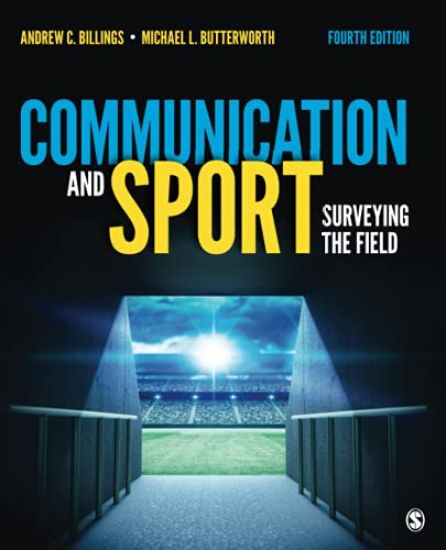
Communication and Sport: Surveying the Field provides students with an understanding of sports media, rhetoric, culture, and organizations through an examination of a wide range of topics. Authors Andrew C. Billings and Michael L. Butterworth address everything from youth to amateur to professional sports through varied lenses, including mythology, community, and identity. A comprehensive focus on communication scholarship gives attention to the ways that sports produce, maintain, or resist cultural attitudes about race, gender, sexuality, class, and politics. The Fourth Edition includes new interviews with prominent figures in the field and new discussions on current events like the Black Lives Matter movement and the COVID-19 pandemic.
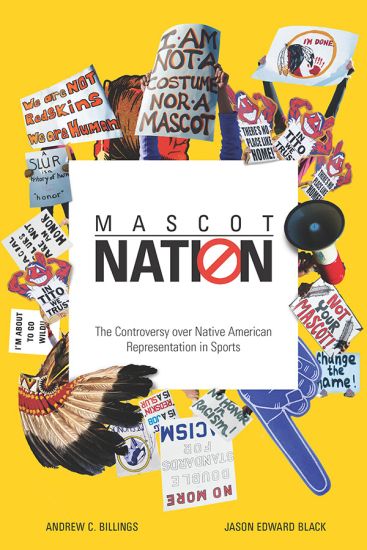
The issue of Native American mascots in sports raises passions but also a raft of often-unasked questions. Which voices get a hearing in an argument? What meanings do we ascribe to mascots? Who do these Indians and warriors really represent? Andrew C. Billings and Jason Edward Black go beyond the media bluster to reassess the mascot controversy. Their multi-dimensional study delves into the textual, visual, and ritualistic and performative aspects of sports mascots. Their original research, meanwhile, surveys sports fans themselves on their thoughts when a specific mascot faces censure. The result is a book that merges critical-cultural analysis with qualitative data to offer an innovative approach to understanding the camps and fault lines on each side of the issue, the stakes in mascot debates, whether common ground can exist and, if so, how we might find it.
The issue of Native American mascots in sports raises passions but also a raft of often-unasked questions. Which voices get a hearing in an argument? What meanings do we ascribe to mascots? Who do these Indians and warriors really represent? Andrew C. Billings and Jason Edward Black go beyond the media bluster to reassess the mascot controversy. Their multi-dimensional study delves into the textual, visual, and ritualistic and performative aspects of sports mascots. Their original research, meanwhile, surveys sports fans themselves on their thoughts when a specific mascot faces censure. The result is a book that merges critical-cultural analysis with qualitative data to offer an innovative approach to understanding the camps and fault lines on each side of the issue, the stakes in mascot debates, whether common ground can exist and, if so, how we might find it.
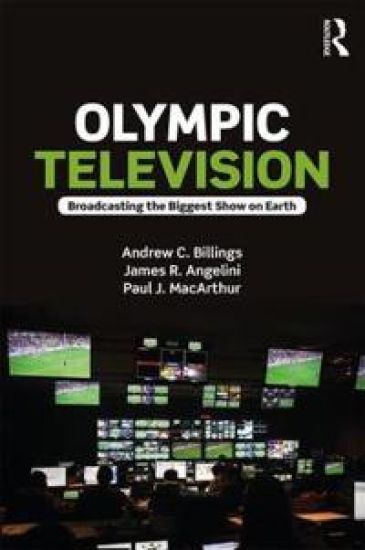
As the Olympic spectacle grows, broadcast coverage becomes bigger, more complex, and more sophisticated. Part sporting event, part reality show, and part global festival, the Olympics can be seen as both intensely nationalistic and a celebration of a shared sense of international community. This book sheds new light on how the Olympic experience has been shaped by television and expanded across multiple platforms and formats. Combining a multitude of approaches ranging from interviews to content analyses to audience surveys, the book explores the production, influence, and significance of Olympic media in contemporary society. Built on a central case study of NBC’s coverage of the Rio Games in 2016, which is then placed within 20 years of content analyses, the book focuses on the entire Olympic television process from production to content to effects. Touching on key themes such as race, gender, history, consumerism, identity, nationalism, and storytelling, Olympic Television: Broadcasting the Biggest Show on Earth is fascinating reading for any student or scholar with an interest in sport, media, and the global impact of mega-events.
As the Olympic spectacle grows, broadcast coverage becomes bigger, more complex, and more sophisticated. Part sporting event, part reality show, and part global festival, the Olympics can be seen as both intensely nationalistic and a celebration of a shared sense of international community. This book sheds new light on how the Olympic experience has been shaped by television and expanded across multiple platforms and formats. Combining a multitude of approaches ranging from interviews to content analyses to audience surveys, the book explores the production, influence, and significance of Olympic media in contemporary society. Built on a central case study of NBC’s coverage of the Rio Games in 2016, which is then placed within 20 years of content analyses, the book focuses on the entire Olympic television process from production to content to effects. Touching on key themes such as race, gender, history, consumerism, identity, nationalism, and storytelling, Olympic Television: Broadcasting the Biggest Show on Earth is fascinating reading for any student or scholar with an interest in sport, media, and the global impact of mega-events.
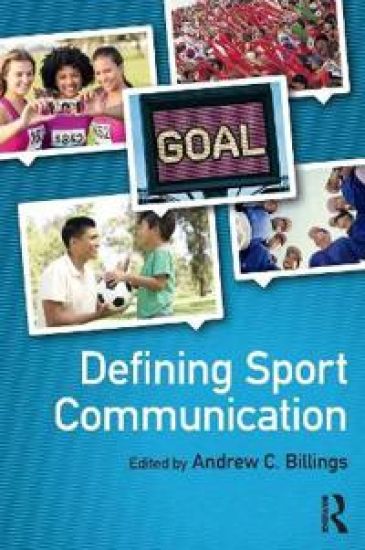
Defining Sport Communication is a comprehensive resource addressing core topics and issues, including humanistic, organizational, relational, and mediated approaches to the study of sport communication. It provides foundational work in sport communication for students and scholars, reflecting the abundance of research published in recent years and the ever-increasing interest in this area of study. Bringing together scholars from various epistemological viewpoints within communication, this volume provides a unique opportunity for defining the breadth and depth of sport communication research. It will serve as a seminal reference for existing scholarship while also providing an agenda for future research.
Defining Sport Communication is a comprehensive resource addressing core topics and issues, including humanistic, organizational, relational, and mediated approaches to the study of sport communication. It provides foundational work in sport communication for students and scholars, reflecting the abundance of research published in recent years and the ever-increasing interest in this area of study. Bringing together scholars from various epistemological viewpoints within communication, this volume provides a unique opportunity for defining the breadth and depth of sport communication research. It will serve as a seminal reference for existing scholarship while also providing an agenda for future research.