

Kirjailija
Andrew Chandler
Kirjat ja teokset yhdessä paikassa: 19 kirjaa, julkaisuja vuosilta 1994–2025, suosituimpiin kuuluu Taylor Flails. Vertaile teosten hintoja ja tarkista saatavuus suomalaisista kirjakaupoista.
19 kirjaa
Kirjojen julkaisuvuodet: 1994–2025.
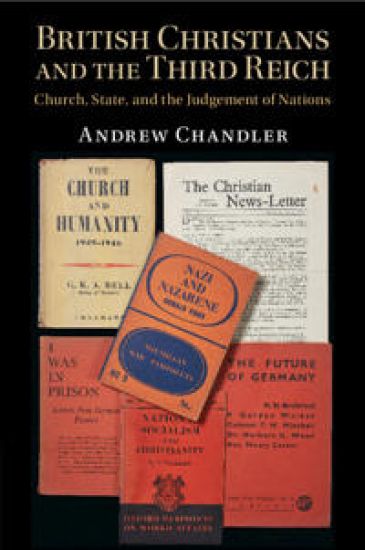
In this ground-breaking study, Andrew Chandler examines the complex relationship between religions and politics, church and state, and national and international politics during the period that witnessed the rise and fall of the Third Reich. He explores these dilemmas within the context of the tumultuous years when many British Christian confronted and challenged the Nazi regime. Chandler shows how many of the key moral questions which came to define the modern world now crystallized: What view should the Christian take of the political state? How should the claims of dictators and democrats be judged? How should the Church protest against injustice – and what can be done about it? How should peace be preserved and when should war be declared? How should a just war be justly fought? It is a history which places the Third Reich firmly in an international perspective, revealing the moral arguments and debates that Nazism provoked across the democracies. It is also an important study of the many ways in which men and women outside Germany intervened, protested, and campaigned against the Hitler regime and sought to support its critics and its victims.
In this ground-breaking study, Andrew Chandler examines the complex relationship between religions and politics, church and state, and national and international politics during the period that witnessed the rise and fall of the Third Reich. He explores these dilemmas within the context of the tumultuous years when many British Christian confronted and challenged the Nazi regime. Chandler shows how many of the key moral questions which came to define the modern world now crystallized: What view should the Christian take of the political state? How should the claims of dictators and democrats be judged? How should the Church protest against injustice – and what can be done about it? How should peace be preserved and when should war be declared? How should a just war be justly fought? It is a history which places the Third Reich firmly in an international perspective, revealing the moral arguments and debates that Nazism provoked across the democracies. It is also an important study of the many ways in which men and women outside Germany intervened, protested, and campaigned against the Hitler regime and sought to support its critics and its victims.

Postmodern retelling of several familiar fairy tales and fables.

This book covers the history of the German resistance and explores a number of the moral codes which inspired, justified and sustained the resisting conscience in the Third Reich. It argues that the position of the churches was characterised by 'fluctuations, ambivalences, and contradictions'.
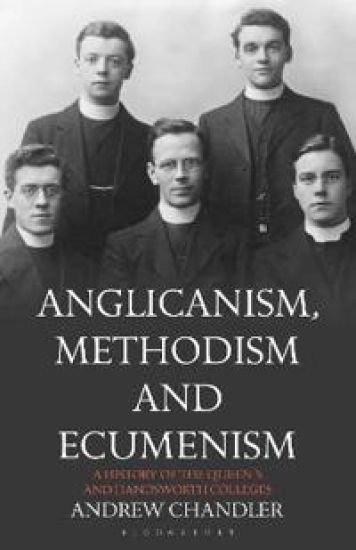
For almost 200 years, the city of Birmingham has been a key location for the training of clergy. From 1828 Anglican clergy studied at the Queen's College and in 1881 the Methodist Church developed their own training facility at Handsworth College. In this book, Andrew Chandler tells the tale of these two colleges. This is a history not simply of the creation and evolution of these two religious institutions, but a study full of significance for the wider history of Christianity in British society across the nineteenth and twentieth centuries. The foundation of both colleges occurred in a confident age of civic progress and reform and their subsequent histories reveal much that was at work in the experience of the British churches at large. They were at first expressions of denominational identity and a determination to educate a class of clergy. In time they found themselves negotiating new prospects within the ecumenical currents of a later age and the deepening realities of secularization. In 1970 they united. This is a book which blends local, national and international dimensions and also shows how the two theological colleges came to embrace all kinds of intellectual, cultural, social and political history in a period of restless change.
This book covers the history of the German resistance and explores a number of the moral codes which inspired, justified and sustained the resisting conscience in the Third Reich. It argues that the position of the churches was characterised by 'fluctuations, ambivalences, and contradictions'.
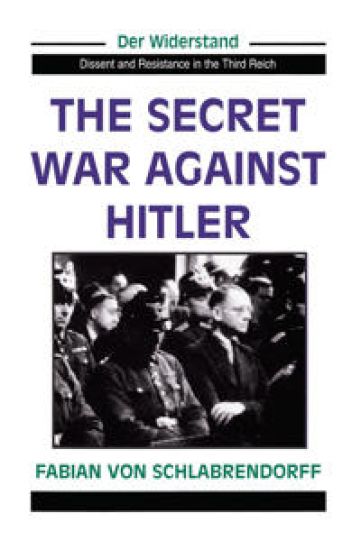
One of the few survivors of the German Resistance, von Schlabrendorff traces his anti-Nazi activity from his student days in the 1920s, through Hitler's rise to power, to the war and his involvement in the July 20, 1944, plot. He vividly recalls the double life of the Resistance leaders during World War II, the futile secret meetings of the conspirators, and their efforts to enlist the aid of weak and vacillating German generals.
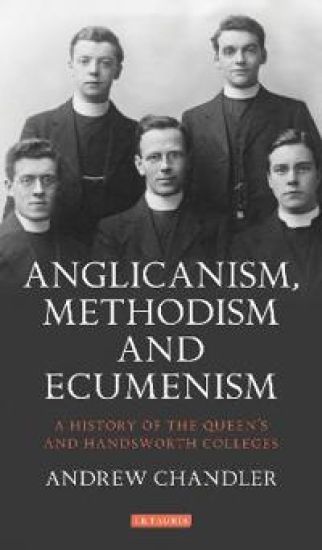
For almost 200 years, the city of Birmingham has been a key location for the training of clergy. From 1828 Anglican clergy studied at the Queen's College and in 1881 the Methodist Church developed their own training facility at Handsworth College. In this book, Andrew Chandler tells the tale of these two colleges. This is a history not simply of the creation and evolution of these two religious institutions, but a study full of significance for the wider history of Christianity in British society across the nineteenth and twentieth centuries. The foundation of both colleges occurred in a confident age of civic progress and reform and their subsequent histories reveal much that was at work in the experience of the British churches at large. They were at first expressions of denominational identity and a determination to educate a class of clergy. In time they found themselves negotiating new prospects within the ecumenical currents of a later age and the deepening realities of secularization. In 1970 they united. This is a book which blends local, national and international dimensions and also shows how the two theological colleges came to embrace all kinds of intellectual, cultural, social and political history in a period of restless change.
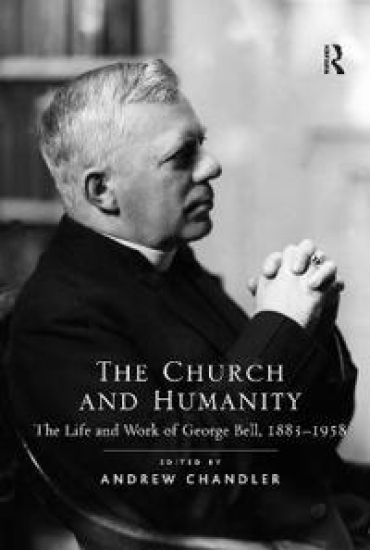
George Bell remains one of only a handful of twentieth-century English bishops to possess a continuing international reputation for his involvement in political affairs. His insistence that Christian faith required active participation in public life, at home and abroad, established an eminent, and often provocative, contribution to Christian ethics at large. Bell's participation in the tragic history of the German resistance against Hitler has earned him an enduring place in the historiography of the Third Reich; his February 1944 speech protesting against the obliteration bombing of Germany, made in the House of Lords, is still often considered one of the great prophetic speeches of the twentieth century. Throughout his long career, Bell became a leading light in the burgeoning ecumenical movement, a supporter of refugees from dictatorships of all kinds, a committed internationalist and a patron of the Arts. This book draws together the work of leading international historians and theologians, including Rowan Williams, and makes an important contribution to a range of ongoing political, ecumenical and international debates.

A comic strip collaboration by The Brothers Chandler involving humorous observations of the pop culture convention scene.


Archbishop Fisher’s archiepiscopate reflected the central issues of his time and place. It was Fisher who oversaw an immense programme of reforms which effectively recast the institutions of the Church of England for generations to come. It was Fisher who proved to be the essential architect, politician and diplomat behind the creation of a worldwide Anglican Communion. His determination to promote the development of relations with other churches produced a vital contribution to the cause of ecumenism, which culminated in his momentous meeting with Pope John XXIII. Archbishop Fisher was a vigorous participant in the questions which defined national and international life. This book explores Fisher’s influence on major contemporary issues and events, including divorce-law reform and capital punishment at home and the end of Empire and the most dangerous years of the Cold War abroad. This new biography establishes the continuing significance not only of the office of Archbishop in the Church but also of the Church at large in the tumultuous world of the later twentieth century. A final section of original source material includes letters, sermons and other writings bringing vividly to life the range and character of Fisher's public and private role.
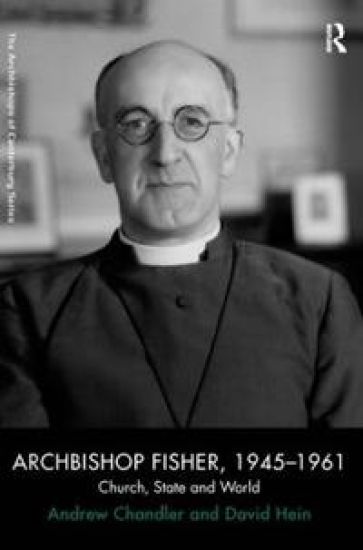
Archbishop Fisher’s archiepiscopate reflected the central issues of his time and place. It was Fisher who oversaw an immense programme of reforms which effectively recast the institutions of the Church of England for generations to come. It was Fisher who proved to be the essential architect, politician and diplomat behind the creation of a worldwide Anglican Communion. His determination to promote the development of relations with other churches produced a vital contribution to the cause of ecumenism, which culminated in his momentous meeting with Pope John XXIII. Archbishop Fisher was a vigorous participant in the questions which defined national and international life. This book explores Fisher’s influence on major contemporary issues and events, including divorce-law reform and capital punishment at home and the end of Empire and the most dangerous years of the Cold War abroad. This new biography establishes the continuing significance not only of the office of Archbishop in the Church but also of the Church at large in the tumultuous world of the later twentieth century. A final section of original source material includes letters, sermons and other writings bringing vividly to life the range and character of Fisher's public and private role.
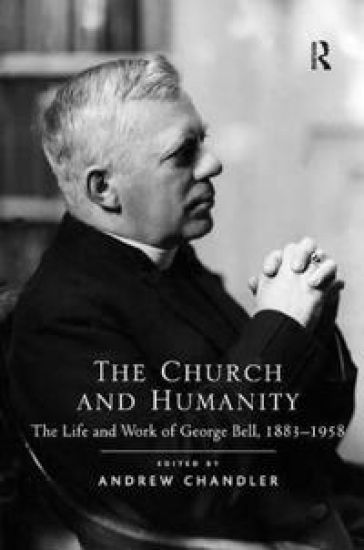
George Bell remains one of only a handful of twentieth-century English bishops to possess a continuing international reputation for his involvement in political affairs. His insistence that Christian faith required active participation in public life, at home and abroad, established an eminent, and often provocative, contribution to Christian ethics at large. Bell's participation in the tragic history of the German resistance against Hitler has earned him an enduring place in the historiography of the Third Reich; his February 1944 speech protesting against the obliteration bombing of Germany, made in the House of Lords, is still often considered one of the great prophetic speeches of the twentieth century. Throughout his long career, Bell became a leading light in the burgeoning ecumenical movement, a supporter of refugees from dictatorships of all kinds, a committed internationalist and a patron of the Arts. This book draws together the work of leading international historians and theologians, including Rowan Williams, and makes an important contribution to a range of ongoing political, ecumenical and international debates.
Unique account of the affairs of the Church of England during a period of colossal change and controversy. This is the first comprehensive picture of the life and work of the Church of England in the second half of the twentieth century, tracing the evolution of the Church at a time of immense upheaval. The Church was inevitably facedwith the need for [sometimes painful] reform as society became more secularised and multi-cultural, and its response is examined. The book also gives a detailed portrait of the work of its archbishops and bishops; and tackles thecontroversial questions raised by financial matters and the administration of property. They include the financial speculations of the late 1980s and early 1990s, which provoked fundamental questions about the role of the Church and the nature of its relationship with the state. ANDREW CHANDLER is Director of the George Bell Institute, Birmingham, and Honorary Lecturer at the University of Birmingham.
Unique account of the affairs of the Church of England during a period of colossal change and controversy. This is the first comprehensive historical picture to be published of the life and work of the Church of England in the second half of the twentieth century. It traces the evolution of the Church in a period of immense upheaval, giving not only a detailed portrait of the work of its archbishops and bishops, but also exploring the Church's relationship with the State, the changes within its central institutions, and the response of the wider community to those changes. Placing the Church of England in its social context, Andrew Chandler examines the parochial reforms which arose in response to the realities of domestic and international migration, multi-culturalism and secularization. Other themes explored are the administration of property (particularly bishops' houses and the work of the cathedrals), 'ethical investment', and the recent crises which are still the subject of argument. Included among theseare the financial speculations of the late 1980s and early 1990s, from which flowed controversies about the reform of the Church of England itself and the nature of its relationship with the state. ANDREW CHANDLER is Director of the George Bell Institute, Birmingham, and Honorary Lecturer at the University of Birmingham.
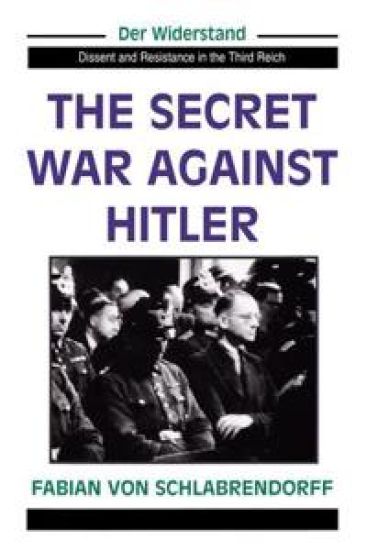
The Secret War Against Hitler
Fabian Von Schlabrendorff; Andrew Chandler
Westview Press Inc
1994
nidottu
One of the few survivors of the German Resistance, von Schlabrendorff traces his anti-Nazi activity from his student days in the 1920s, through Hitler's rise to power, to the war and his involvement in the July 20, 1944, plot. He vividly recalls the double life of the Resistance leaders during World War II, the futile secret meetings of the conspirators, and their efforts to enlist the aid of weak and vacillating German generals.