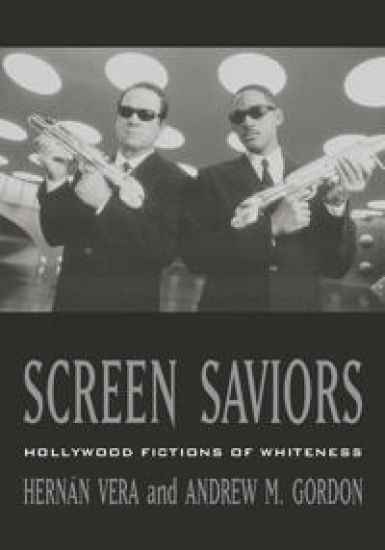
Screen Saviors studies how the self of whites is imagined in Hollywood movies—by white directors featuring white protagonists interacting with people of another color. This collaboration by a sociologist and a film critic, using the new perspective of critical "white studies," offers a bold and sweeping critique of almost a century's worth of American film, from Birth of Nation (1915) through Black Hawk Down (2001). Screen Saviors studies the way in which the social relations that we call "race" are fictionalized and pictured in the movies. It argues that films are part of broader projects that lead us to ignore or deny the nature of the racial divide in which Americans live. Even as the images of racial and ethnic minorities change across the twentieth century, Hollywood keeps portraying the ideal white American self as good-looking, powerful, brave, cordial, kind, firm, and generous: a natural-born leader worthy of the loyalty of those of another color. The book invites readers to conduct their own analyses of films by showing how this can be done in over 50 Hollywood movies. Among these are some films about the Civil War—Birth of a Nation , Gone with the Wind, and Glory; some about white messiahs who rescue people of another color—Stargate, To Kill a Mockingbird, Mississippi Burning, Three Kings, and The Matrix; the three versions of Mutiny on the Bounty (1935, 1962, and 1984) and interracial romance—Guess Who's Coming to Dinner. Forty years of Hollywood fantasies of interracial harmony, from The Defiant Ones and In the Heat of the Night through the Lethal Weapon series and Men in Black are examined. This work in the sociology of knowledge and cultural studies relates the movies of Hollywood to the large political agendas on race relation in the United States. Screen Saviors appeals to the general reader interested in the movies or in race and ethnicity as well as to students of com