

Kirjailija
Andrew Thomas
Kirjat ja teokset yhdessä paikassa: 34 kirjaa, julkaisuja vuosilta 2002–2025, suosituimpiin kuuluu P-36 Hawk Aces of World War 2. Vertaile teosten hintoja ja tarkista saatavuus suomalaisista kirjakaupoista.
34 kirjaa
Kirjojen julkaisuvuodet: 2002–2025.
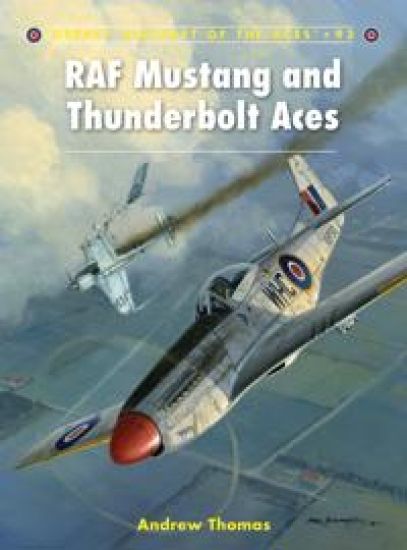
The P-51 Mustang and P-47 Thunderbolt were the finest American fighters of World War 2, and both saw service with the RAF in substantial numbers. The RAF began flying the Mustang in 1944, using it to fly bomber escort missions, and deploying to support the ground campaigns in Italy and the Balkans. It was also flown by a number of Polish units in the RAF. The P-47 Thunderbolt was the best fighter available in CBI theatre, where it was flown by a number of aces against the Japanese, mainly in a ground support role. Although these two fighter types are most associated with the Americans, they performed an important role serving in the RAF.
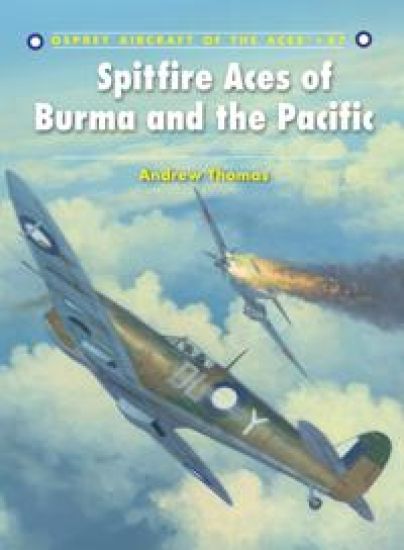
The arrival of the Spitfire in Burma came at a crucial time as the RAF struggled against the Japanese to support the Chindit operation on the ground. Proving a huge boost to morale, the Spitfire played a large part in defeating the enemy, and covering the subsequent Allied advance through Burma, protecting the ground troops and providing vital supplies. Covering this little documented aerial war, this book tells the stories of the 54 aces who flew against the Japanese, and also those who fought in India and Australia. Full-colour artwork reveals the markings and paint schemes of this most-famous of British planes, whilst first-hand accounts and archive photographs bring the aerial battles of Burma, India and Australia to life.
Leadership and Management in Health and Social Care NVQ Level 4
Alix Walton; Jo McKibbin; Andrew Thomas
pearson education limited
2008
nidottu
A modern, holistic approach to the new NVQ/SVQ Level 4 Leadership and Management Award in Health and Social Care. Written to cover the new standards, with everything needed to complete the award, and a thematic approach enabling you to work holistically and see clearly how content covered in the book applies to professional work. Provides a variety of case studies with questions that challenge assumptions in order to highlight issues around workplace practices. Includes clear evidence opportunities mapped to elements and performance criteria across the award. Provides mapping to management induction standards for new entrants to this area of work. Links to all websites included in the book will enable you to keep up to date with legislation and key professional practice.
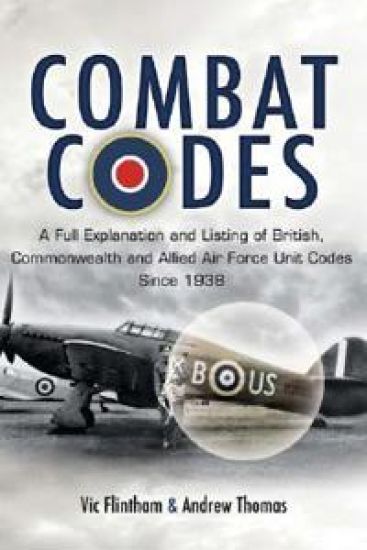
From the inception of the RAF in 1918 the new service developed traditions fast. In particular, its squadrons assumed a combination of heraldic devices and colourful markings with which to identify machines and inspire men. With the potential onset if war in 1938, the very public and well-known unit markings were replaced by two-letter codes, designed to confuse the enemy. Through the uneasy period leading to the formal declaration of war, these codes became well-known locally and there was a second set for application with the onset of war. As the war progressed the unit codes expanded to incorporate numerals and the system expanded to the USAFF and the Commonwealth and the Allied units. To preserve secrecy the codes were only ever listed in a series of top-secret documents and the previous set destroyed. The authors have painstaking researched the codes and building on from earlier works have produced the definitive work on the subject.
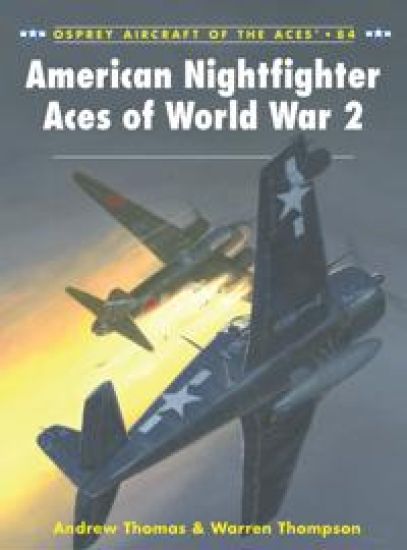
American Nightfighter Aces of World War 2
Warren Thompson; Andrew Thomas
Osprey Publishing
2008
nidottu
An illustrated description of the famous US Nightfighter aces and their planes. The Americans lagged behind their European contemporaries in military aviation in the late 1930s, and it took the Battle of Britain to awaken America to the necessity of having aircraft that could defend targets against night-time attack by bomber aircraft. This book examines the numerous aircraft types that were used by the US in this role, beginning with the early stop-gap conversions like the TBM Avenger, Lockheed Ventura and the A-20 Havoc (P-70). It goes on to detail the combat history of the newer, radar-equipped Hellcats, Corsairs and Black Widows that were designed to seek out enemy aircraft and which registered most of the kills made by the Navy, Marine Corps and USAAF in 1944–45. With full-colour profiles and rare photographs, this is an absorbing account of an underestimated flying force: the American Nightfighters.
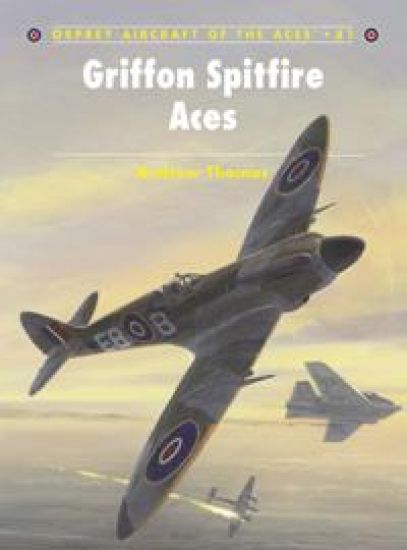
The iconic Spitfire's most radical upgrade was the 2000 hp Rolls-Royce Griffon engine. The first variant fitted with this superb powerplant was the Mk XII, entering service in early 1943 and modified for low-level operations to counter Luftwaffe attacks on the south coast. With a redesigned wing and propeller, the Spitfire XIV became the best low level fighter of World War 2. The Spitfire XII and XIV squadrons were moved to south-eastern England in mid-1944 to counter the V1 flying bomb offensive, when Spitfire XIV pilots pioneered the technique of tipping the V1 over with the aircraft's wingtip to disorientate the bomb. After the V1 offensive, most Griffon-Spitfire squadrons became part of the 2nd Tactical Air Force and took a heavy toll of the Luftwaffe in savage combat over the Third Reich. The Griffon-Spitfire also took part in the re-occupation of Malaya and the East Indies and three Spitfire XIV squadrons formed part of the Commonwealth occupation force in Japan until 1948. A later version, the Spitfire FR 18, saw action against various factions in Palestine. Some 14 pilots gained at least five victories on Griffon-engined Spitfires in World War 2, with another 13 aces claiming part of their totals on the type. In addition, 27 Griffon-Spitfire pilots shot down at least five of the dangerous V1 flying bombs to become 'Doodlebug' aces, whilst a large number of established aces flew the type successfully as wing and squadron commanders.
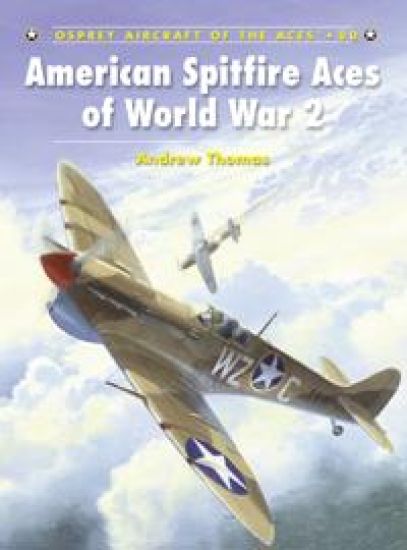
The first few American volunteers flew Spitfires with the RAF during the Battle of Britain. Many more joined their ranks, often posing as 'Canadians' eventually forming three 'Eagle' squadrons who earned a fierce fighting reputation. In 1942 the Eagle Squadrons were transferred to the Eighth Air Force and further fighter squadrons were formed which all flew Spitfires. In just two years of service with the USAAF, 22 pilots claimed five or more victories flying the Spitfire, whilst a further two dozen aces claimed part of their total flying them, a testament to their skill and success at the controls of this legendary warbird. Discover the experiences of a variety of American aces in their own words through first-hand accounts, interviews and combat reports, in a thrilling read that transports the reader from the Battle of Britain to the deserts of North Africa to Fortress Europe itself.
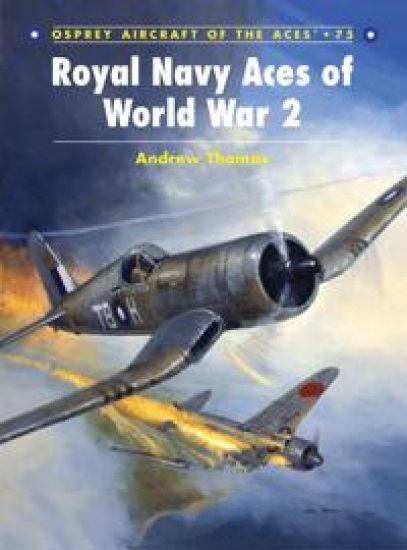
The Fleet Air Arm (FAA) of the Royal Navy served with distinction in every theatre of war throughout World War II. From its poorly equipped beginnings - it started the war with few suitable, modern, carrier-born fighters - to the final campaigns over the Japanese home islands, the FAA proved an effective fighting force wherever it went. FAA Pilots had the distinction of being responsible for both the first, and last, enemy aircraft to be shot down during the war. Featuring first hand accounts, combat reports, photographs from private collections and an array of colour plates depicting the range of profiles and symbolic markings that were used, this book will detail the history and combat experiences of these forgotten pilots who served with such distinction for the Allied cause.
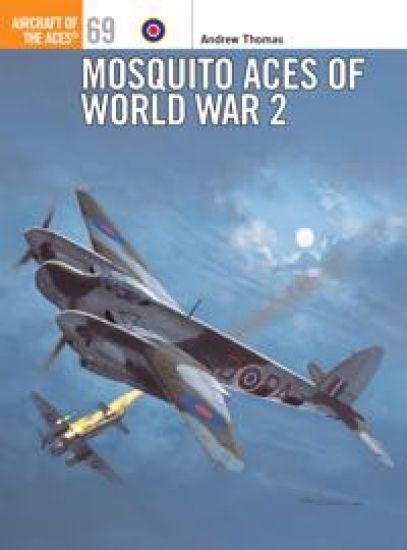
Flown by specialised squadrons, the Mosquito matured into the best British night fighter of World War 2 thanks to the fitment of ever-improving airborne radar, which allowed its crews to hit night intruders and German night fighters alike with speed and the devastating firepower. Its success in combat can be measured by the fact that most leading RAF, Commonwealth and American night fighter aces scored the bulk of their kills in the Mosquito. The aircraft's range and striking power also led to its deployment by RAF Coastal Command as a very effective long -range fighter, and the Mosquito was also deployed overseas in both the night fighter, long-range fighter and strike roles. In total, some 59 pilots became aces flying the Mosquito.
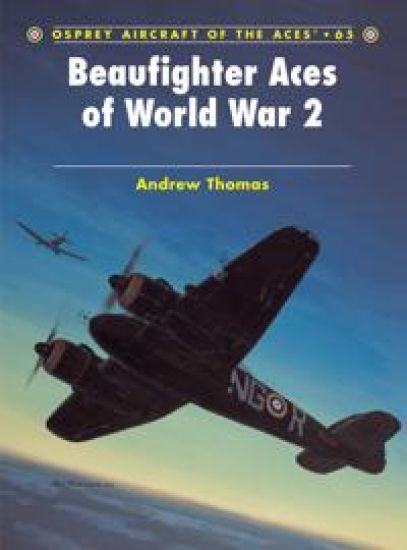
Entering service at the end of the Battle of Britain, the pugnacious Bristol Beaufighter was deployed in numbers by Fighter Command just in time for the start of the Luftwaffe's night 'Blitz' on Britain. Flown by specialised nightfighter squadrons - several of them elite pre-war Auxiliary Air Force units - it was the first nightfighter to be equipped with an airborne radar as standard. Thus equipped, it combined the ability to 'see' the enemy at night with the devastating hitting power of four cannon and six machine guns. This book covers the exploits of the men who made ace in the Beaufighter and includes stunning original artwork together with first hand accounts of the action.
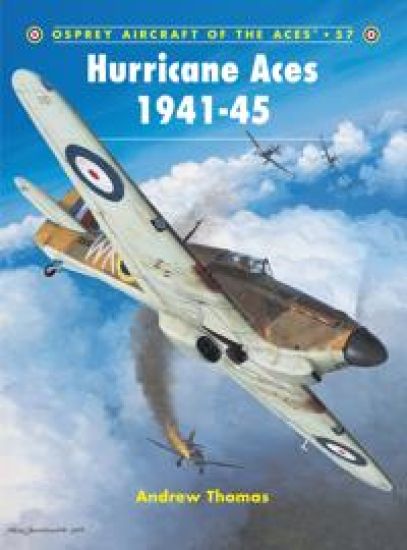
The Hurricane was the RAF's first monoplane fighter, and saw widespread service with Allied forces. This book describes its many feats throughout 1945. Used as a fighter-bomber on the Channel coast, the Hurricane was flown by numerous squadrons in Fighter Command, including the American Eagles and Polish units. Some of the highest-scoring aces to fly the Hurricane saw action in this theatre. The Fleet Air Arm also used the Sea Hurricane as its principle fighter in the Mediterranean, creating a handful of aces. In the Far East, Hurricane units failed in their attempt to defend Singapore and Malaya from the Japanese but continued to take the fight to the enemy from bases in India and Ceylon. The Hurricane was still in the frontline in this theatre in 1945.
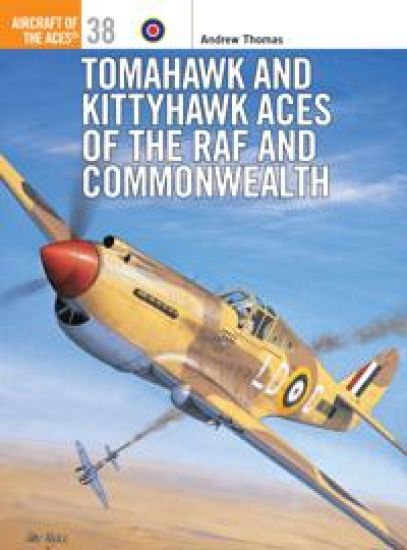
Tomahawk and Kittyhawk Aces of the RAF and Commonwealth
Andrew Thomas; Tony Holmes
Osprey Publishing
2002
nidottu
Deemed unsuitable for the Channel Front, lend-lease Tomahawks and kittyhawks instead became the staple fighter of the Desert Air Force in 1941-42, flying with RAF, South African and Australian squadrons in North Africa and the Middle East. Although usually outclassed by the Bf 109, a number of pilots enjoyed some success during the desert campaign - men like Caldwell, Gibbes, Edwards and Drake, all of whom accrued double figure scores, In the Far East, Australian and New Zealand pilots also saw much action against the Japanese in 1942/43, flying over the jungles of New Guinea in defence of the Australian mainland.
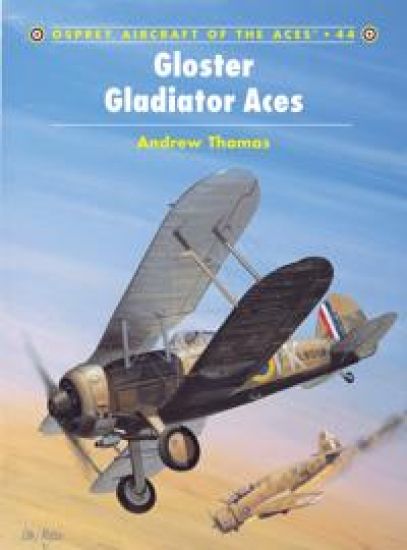
Never before has a single volume been devoted exclusively to the intrepid and disparate band of pilots who could claim to be Gladiator aces. Flying the ultimate British biplane fighter, pilots in China, Finland, East Africa, North Africa, Western Europe, the Mediterranean, Norway and the Middle East all scored the prerequisite five kills to become aces. The first individuals to do so were fighting marauding Japanese fighters and bombers attacking targets in China in 1938. The likes of Sheen, Tuck and Carey will also be featured in this volume, as they were among the many early war acers who cut their teeth in Fighter Command on the Gladiator.