Kirjojen hintavertailu – 12 859 829 kirjaa ja 27 kauppaa

Kirjailija

Andrew W. Kane

Kirjat ja teokset yhdessä paikassa: 3 kirjaa, julkaisuja vuosilta 2007–2011, suosituimpiin kuuluu Causality of Psychological Injury. Vertaile teosten hintoja ja tarkista saatavuus suomalaisista kirjakaupoista.

3 kirjaa

Kirjojen julkaisuvuodet: 2007–2011.

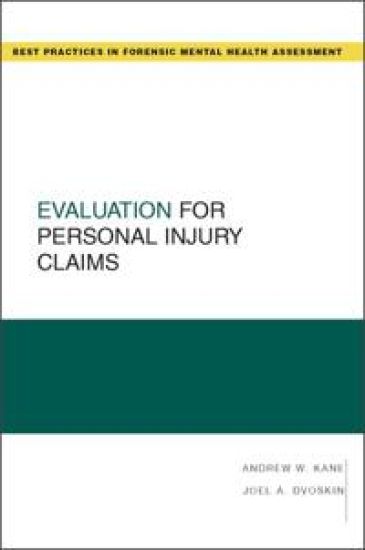
Evaluation for Personal Injury Claims

Evaluation for Personal Injury Claims

Andrew W. Kane; Joel A. Dvoskin

Oxford University Press Inc
2011
nidottu
Forensic mental health assessment (FMHA) has grown into a specialization informed by research and professional guidelines. This series presents up-to-date information on the most important and frequently conducted forms of FMHA. The 19 topical volumes address best approaches to practice for particular types of evaluation in the criminal, civil, and juvenile/family areas. Each volume contains a thorough discussion of the relevant legal and psychological concepts, followed by a step-by-step description of the assessment process from preparing for the evaluation to writing the report and testifying in court. Volumes include the following helpful features: · Boxes that zero in on important information for use in evaluations · Tips for best practice and cautions against common pitfalls · Highlighting of relevant case law and statutes · Separate list of assessment tools for easy reference · Helpful glossary of key terms for the particular topic In making recommendations for best practice, authors consider empirical support, legal relevance, and consistency with ethical and professional standards. These volumes offer invaluable guidance for anyone involved in conducting or using forensic evaluations. This book addresses the assessment of personal injury claims, and explores the history and importance of this process, the legal standards and the procedure for applying this assessment in court. Established empirical foundations from the behavioral, social, and medical sciences are then presented. Finally, the book provides a detailed "how-to" for practitioners, including information on data collection, interpretation, report writing and expert testimony.
Causality of Psychological Injury

Causality of Psychological Injury

Gerald Young; Andrew W. Kane; Keith Nicholson

Springer-Verlag New York Inc.
2010
nidottu
This sequel to the authors’ Psychological Knowledge in Court offers a welcome expansion on key concepts, terms, and issues in causality, bringing much needed clarity to psychological injury assessments and the legal contexts that employ them. Focusing on PTSD, traumatic brain injury, and chronic pain (and grounding readers in salient U. S. and Canadian case law), Causality sets out a multifactorial causality framework to facilitate admissibility of psychological evidence in court. Issues concerning malingering are examined in depth, as are clinical gray areas that can jeopardize validity. At the same time, the book clearly explains what lawyers and clinicians need to understand about each other’s work—of crucial importance since the two sides often seem to speak at cross-purposes. The authors and six guest contributorsIllustrate the roles of preexisting vulnerabilities, traumatic events, and post-event occurrences in psychological impairment and disabilityReview the literature on PTSD, TBI, and chronic pain for legal relevanceIdentify current challenges and controversies in the field, as well as emerging areas for researchRecommend methods and instruments for conducting more courtworthy assessmentsProvide a detailed critical review of malingering and related phenomenaPropose a more accurate, shared terminology of causality Valid causality judgments are based on sound knowledge of research on large populations and careful testing of individuals; at the same time they must conform to stringent legal standards of relevance and reliability to be accepted for testimony. Forensic practitioners and attorneys will turn to Causality of Psychological Injury as their professional paths increasingly cross in seeking comprehensive and state of the art information.
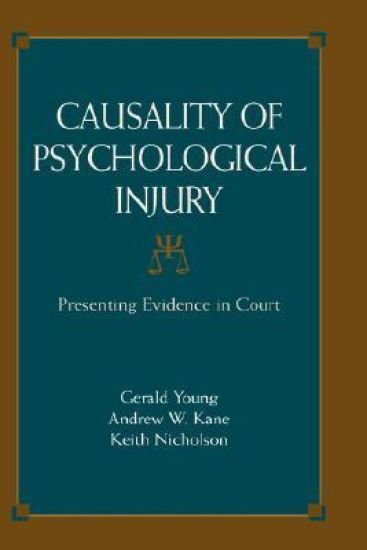
Causality of Psychological Injury

Causality of Psychological Injury

Gerald Young; Andrew W. Kane; Keith Nicholson

Springer-Verlag New York Inc.
2007
sidottu
This sequel to the authors’ Psychological Knowledge in Court offers a welcome expansion on key concepts, terms, and issues in causality, bringing much needed clarity to psychological injury assessments and the legal contexts that employ them. Focusing on PTSD, traumatic brain injury, and chronic pain (and grounding readers in salient U. S. and Canadian case law), Causality sets out a multifactorial causality framework to facilitate admissibility of psychological evidence in court. Issues concerning malingering are examined in depth, as are clinical gray areas that can jeopardize validity. At the same time, the book clearly explains what lawyers and clinicians need to understand about each other’s work—of crucial importance since the two sides often seem to speak at cross-purposes. The authors and six guest contributorsIllustrate the roles of preexisting vulnerabilities, traumatic events, and post-event occurrences in psychological impairment and disabilityReview the literature on PTSD, TBI, and chronic pain for legal relevanceIdentify current challenges and controversies in the field, as well as emerging areas for researchRecommend methods and instruments for conducting more courtworthy assessmentsProvide a detailed critical review of malingering and related phenomenaPropose a more accurate, shared terminology of causality Valid causality judgments are based on sound knowledge of research on large populations and careful testing of individuals; at the same time they must conform to stringent legal standards of relevance and reliability to be accepted for testimony. Forensic practitioners and attorneys will turn to Causality of Psychological Injury as their professional paths increasingly cross in seeking comprehensive and state of the art information.