

Kirjojen hintavertailu – 12 903 724 kirjaa ja 27 kauppaa

Kirjailija

Andrew W. Pitts

Kirjat ja teokset yhdessä paikassa: 2 kirjaa, julkaisuja vuosilta 2015–2019, suosituimpiin kuuluu History, Biography, and the Genre of Luke-Acts: An Exploration of Literary Divergence in Greek Narrative Discourse. Vertaile teosten hintoja ja tarkista saatavuus suomalaisista kirjakaupoista.

2 kirjaa

Kirjojen julkaisuvuodet: 2015–2019.

History, Biography, and the Genre of Luke-Acts: An Exploration of Literary Divergence in Greek Narrative Discourse
Unlike contemporary literary-linguistic configurations of genre, current methodologies for the study of the Gospel genre are designed only to target genre similarities not genre differences. This basic oversight results in the convoluted discussion we witness in Lukan genre study today. Each recent treatment of the genre of Luke-Acts represents a distinct effort to draw parallels between Luke-Acts and a specific (or multiple) literary tradition(s). These studies all underestimate the role of literary divergence in genre analysis, leveraging much--if not, all--of their case on literary proximity. This monograph will show how attention to literary divergence from a number of angles may bring resolution to the increasingly complex discussions of the genre(s) of Luke-Acts.
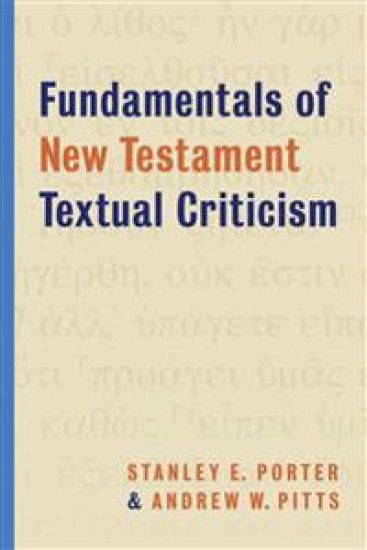
Fundamentals of New Testament Textual Criticism

Fundamentals of New Testament Textual Criticism

Stanley E. Porter; Andrew W. Pitts

William B Eerdmans Publishing Co
2015
nidottu
This book provides a student-level overview of the foundational elements necessary to grasp textual criticism of the New Testament, also addressing such issues as canonical formation and translation theory. Stanley Porter and Andrew Pitts cover a range of topics related to New Testament textual criticism, including appropriate definitions, the canon, the manuscripts of the New Testament, and the best methodologies for determining the original reading when manuscripts disagree. They also provide a history of the various editions of the New Testament with a how-to guide for using and understanding them. The end of each chapter includes a list of key vocabulary and a select bibliography, making this text especially useful for teachers and students. An appendix introduces students to the tools of textual criticism and invites discussion on how they might use textual criticism in a future classroom or ministry setting.