Kirjojen hintavertailu – 12 859 828 kirjaa ja 27 kauppaa
Kirjailija
Andy Green
Kirjat ja teokset yhdessä paikassa: 8 kirjaa, julkaisuja vuosilta 1992–2020, suosituimpiin kuuluu The Crisis for Young People. Vertaile teosten hintoja ja tarkista saatavuus suomalaisista kirjakaupoista.
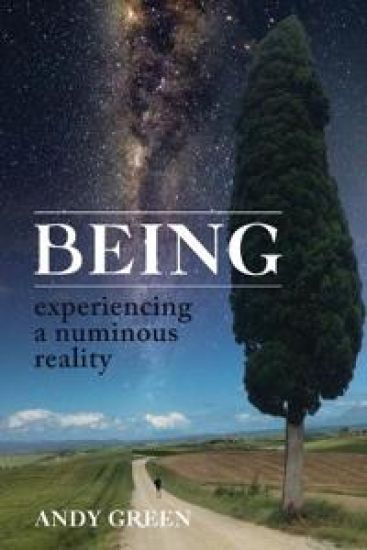
BEING: experiencing a numinous reality, is a book exploring the nature of reality, and investigating the nature of truth, both relative and absolute. The writing is based in the 'love of wisdom' from lived experience rather than the purely theoretical. The author examines a breadth of vision encompassing scientific knowledge, and the approaches of both Eastern and Western philosophy. In doing this he invites the reader to understand the limitations of thought as relative truth, and to experience 'that' which is beyond it.
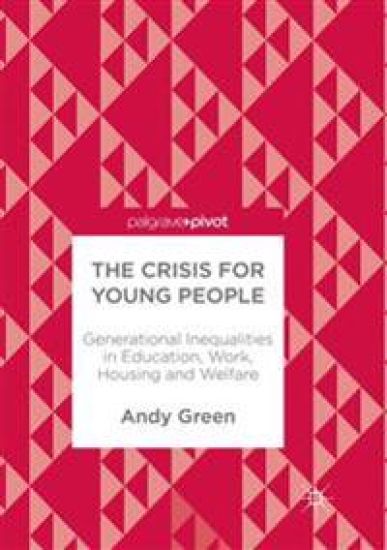
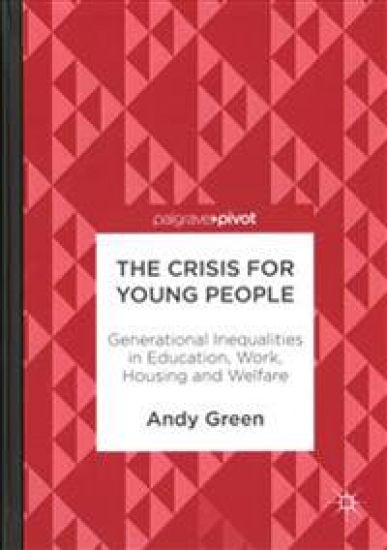
This book is open access under a CC BY 4.0 license. This book provides an original and challenging analysis of one of the most pressing social issues of our times: intergenerational inequality. Based on recent mixed-method research, it explores the extent and scope of generational divides through an up-to-date analysis of the changing opportunities for young people in Britain across different life domains. A central question addressed is whether current changes are best understood as growing inequalities within and across age groups, or whether we face a genuine intergenerational decline over the life course of this and future generations of youth. Andy Green’s controversial manifesto for intergenerational equity includes replacing higher education fees with a tax on graduates of all ages; the introduction of capital gains tax on sales of first homes; voting at 16, and a new charter of rights for private tenants.
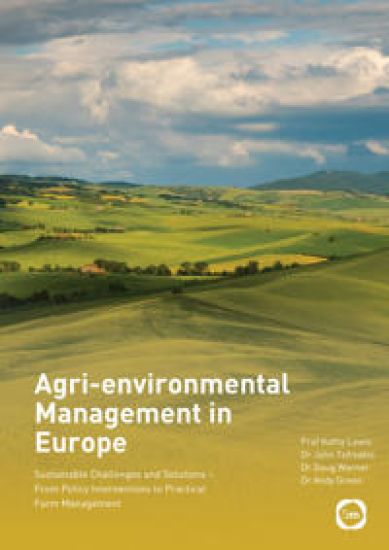
Modern agriculture faces many challenges, most crucially food security and the need for sustainable farming systems. Decisions and actions in the agricultural sector come from government and stakeholder policies and on-farm decision-making. This comprehensive monograph provides a perspective on the current state of agri-environmental management in Europe from both a policy and practical perspective. Some of the issues in agriculture discussed are climate change and air pollution, biodiversity, water use and quality, pesticides, pathogens, flooding and drought, energy resources, land use, soil composition, nutrients, livestock, cropping, habitat management and cultural considerations. These important issues form the framework of the book, with each issue discussed in the context of its history, and asking the questions 'why is it an issue', 'what is the current scientific understanding regarding it' and 'how has policy shaped it'. The book takes an integrated approach by not just examining these issues separately, but examining the whole system in which these problems are manifested. At the end, technologies and solutions which are currently being developed and could be used in the future are discussed and the horizon scanned for future environmental challenges. Agri-environmental Management in Europe is an authoritative source for both undergraduate and post-graduate studies that consider the agri-environmental challenges society faces.
This book is open access under a CC BY 4.0 license. This book provides an original and challenging analysis of one of the most pressing social issues of our times: intergenerational inequality. Based on recent mixed-method research, it explores the extent and scope of generational divides through an up-to-date analysis of the changing opportunities for young people in Britain across different life domains. A central question addressed is whether current changes are best understood as growing inequalities within and across age groups, or whether we face a genuine intergenerational decline over the life course of this and future generations of youth. Andy Green’s controversial manifesto for intergenerational equity includes replacing higher education fees with a tax on graduates of all ages; the introduction of capital gains tax on sales of first homes; voting at 16, and a new charter of rights for private tenants.
Economic globalization has led to intense debates about the competitiveness of nations. Prosperity, social justice, and welfare are now seen to depend on the creation of a 'high skilled' workforce. This international consensus around high skills has led recent American presidents to claim themselves 'education presidents' and in Britain, Tony Blair has announced that 'talent is 21st-century wealth'. This view of knowledge-driven capitalism has led all the developed economies to increase numbers of highly-trained people in preparation for technical, professional, and managerial employment. But it also harbours the view that what we regard as a 'skilled' worker is being transformed. The pace of technological innovation, corporate restructuring, and the changing nature of work require a new configuration of skills described in the language of creativity, teamwork, employability, self-management, and lifelong learning. But is this optimistic account of a future of high-skilled work for all justified? This book draws on the findings of a major international comparative study of national routes to a 'high skills' economy in Britain, Germany, Japan, Singapore, South Korea, and the United States, and includes data from interviews with over 250 key stakeholders. It is the first book to offer a comparative examination of 'high skill' policies -- a topic of major public debate that is destined to become of even greater importance in all the developed economies in the early decades of the twenty-first century.
A major contribution to current debates about the future of skill formation in a context of economic globalisation, rapid technological innovation, and change within education, training, and the labour market. It represents a major theoretical advance in its holistic approach to the political economy of high skills.
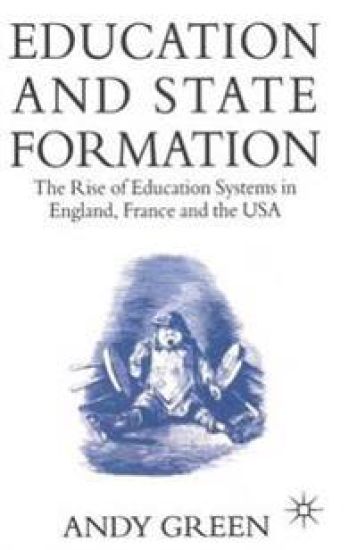
Britain was the last major European state to create a national education system and is set to be the first to dismantle it. In this wide-ranging comparative study, Andy Green examines the reasons for the uneven development of public education in England, Prussia, France and the USA.