
Kirjojen hintavertailu – 12 903 724 kirjaa ja 27 kauppaa

Kirjailija

Angela Mitropoulos

Kirjat ja teokset yhdessä paikassa: 2 kirjaa, julkaisuja vuosilta 2011–2020, suosituimpiin kuuluu Glänta 2(2011) Biopolitiken, begäret, rasismen. Vertaile teosten hintoja ja tarkista saatavuus suomalaisista kirjakaupoista.

2 kirjaa

Kirjojen julkaisuvuodet: 2011–2020.

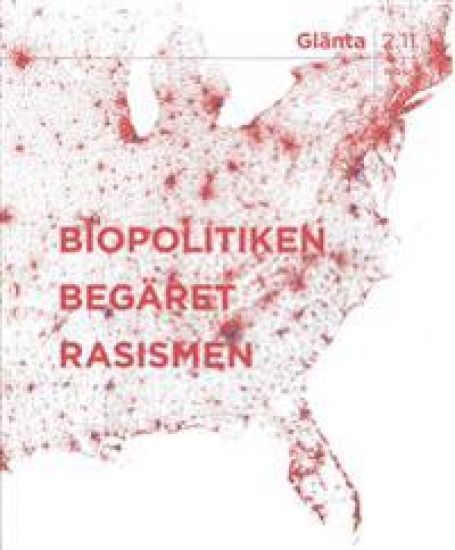
Glänta 2(2011) Biopolitiken, begäret, rasismen

Glänta 2(2011) Biopolitiken, begäret, rasismen

Johannes Anyuru; Cesilie Holck; Tobias Hübinette; Catrin Lundström; Andrés Stoopendaal; Mette Moestrup; Suren Pillay; Gustavo Perillo Nogueira; Angela Mitropoulos; Sven-Olov Wallenstein; Axel Andersson; Bill Rankin; Jacques Rancière; Mara Lee; Linn Hansén; Göran Dahlberg; Hedvig Härnsten

Glänta
2011
lehtivihko, moniste
Rasismen har muterat. Dess närvaro är omisskännlig, men tycks samtidigt allt svårare att tala om. Den senaste tiden har vi ägnat åt att finna nya och gamla frågor och svar, varianter av de som återaktualiserats efter förra valet. Hypotesen har varit att rasismens nya former ? och motståndet mot dem ? kanske är lättare att urskilja i ljuset av begrepp som biopolitik och begär.
Pandemonium

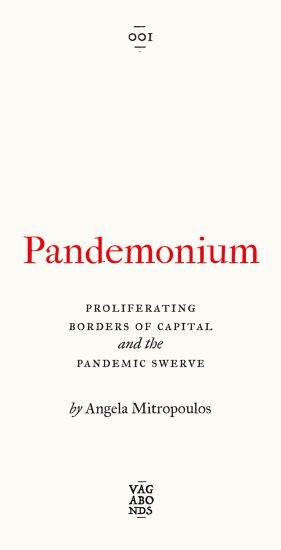
Pandemonium

Angela Mitropoulos

Pluto Press
2020
pokkari
In November 2019, a new strain of coronavirus appeared in Wuhan, China, and quickly spread across the world. Since then, the pandemic has exposed the brutal limits of care and health under capitalism. Pandemonium underscores the turning-points between neoliberalism and authoritarian government, crystallised by ineffective responses to the pandemic. In so doing, it questions capitalist understandings of order and disorder, of health and disease, and the new world borders which proliferate through distinctly capitalist definitions of risk and uncertainty. From the origins of the crisis at the crossroads of fossil-fuelled pollution and the privatisation of healthcare in China, Angela Mitropoulos follows the virus' spread as governments embraced reckless strategies of 'containment' and 'herd immunity.' Exoticist explanations of the pandemic and the recourse to quarantines and travel bans racialised the disease, while the reluctance to expand healthcare capacity displaced the risk onto private households and private wealth. Tracing iterations of borders through the histories of population theory, the political contract and epidemiology, Mitropoulos discusses the circuits of capitalist value in pharmaceuticals, protective equipment and catastrophe bonds. These and the treatment of populations as capitalist 'stock' in demands to 'reopen the economy' reveal a world where the very definition of 'the economy' and infrastructure are fundamentally shifting. Much will depend on how these are understood, and debts are reckoned, in the months and years to come.