
Kirjailija
Anita Loos
Kirjat ja teokset yhdessä paikassa: 32 kirjaa, julkaisuja vuosilta 1998–2026, suosituimpiin kuuluu Breaking into the Movies. Vertaile teosten hintoja ja tarkista saatavuus suomalaisista kirjakaupoista.
32 kirjaa
Kirjojen julkaisuvuodet: 1998–2026.

Breaking into the movies "", has been considered a very important part of the human history, but is currently not available in printed formats. Hence so that this work is never forgotten we have made efforts in its preservation by republishing this book in a modern format so that it is never forgotten and always remembered by the present and future generations. These books are not made of scanned copies of their original work and hence the text is clear and readable. This whole book has been reformatted, retyped and designed.
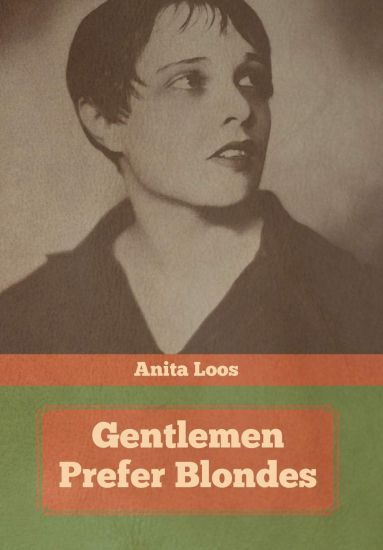
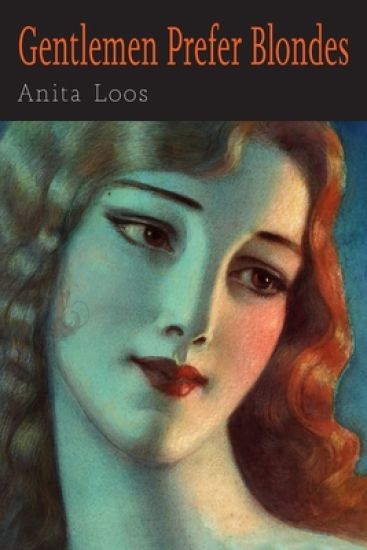
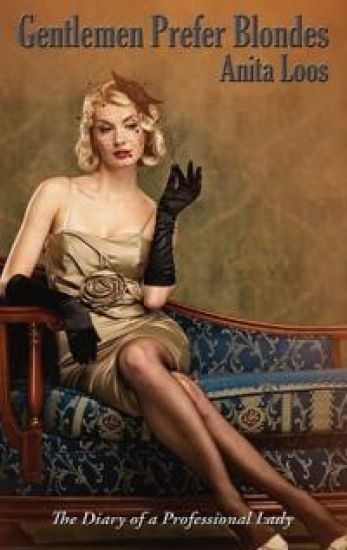
Gentlemen Prefer Blondes: The Intimate Diary of a Professional Lady (1925) is a comic novel written by American author Anita Loos. The story primarily follows the escapades and dalliances of a young blonde flapper in New York City and Europe during the Roaring Twenties. It is one of several novels exploring the hedonistic Jazz Age published that year that have become famous-including F. Scott Fitzgerald's The Great Gatsby and Carl Van Vechten's Firecrackers. Loos was inspired to write the novel by an incident aboard a train bound for Hollywood: "I was allowed to lug heavy suitcases from their racks while men sat about and failed to note my efforts," she recalled, and yet, when another young woman "happened to drop the novel she was reading, several men jumped to retrieve it." Loos surmised this difference in men's behavior was because she was a brunette and the other woman was a blonde. When drafting the novel, Loos drew upon memories of jealously observing "witless" blondes such as Ziegfeld Follies showgirls turn intellectual H. L. Mencken into a love-struck simpleton. Mencken, a close friend to whom Loos was sexually attracted, nonetheless enjoyed the satirical work and ensured its publication. Originally published as a series of short sketches known as "the Lorelei stories" in Harper's Bazaar magazine, the work was published in book form by Boni & Liveright in 1925. Although dismissed by critics as "too light in texture to be very enduring," Loos' book was a runaway best seller, becoming the second-best selling title of 1926, and printed throughout the world in over thirteen different languages, including Chinese. By the time of Loos' death in 1981, the work had been printed in over 85 editions and had been adapted into a popular comic strip, a 1926 silent comedy, a 1949 Broadway musical, and a 1953 film adaptation of the latter musical. The book earned the praise of many writers including Edith Wharton who dubbed it "the great American novel." Loos wrote a well-received sequel, But Gentlemen Marry Brunettes, in 1927. Several decades later, Loos was asked during a television interview in London whether she intended to write a third book. She facetiously replied that the title and theme of a third book would be Gentlemen Prefer Gentlemen. This remark resulted in the interview's abrupt termination. (wikipedia.org)
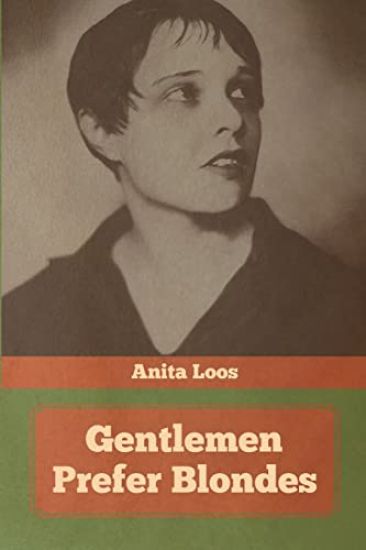
Gentlemen Prefer Blondes: The Intimate Diary of a Professional Lady (1925) is a comic novel written by American author Anita Loos. The story primarily follows the escapades and dalliances of a young blonde flapper in New York City and Europe during the Roaring Twenties. It is one of several novels exploring the hedonistic Jazz Age published that year that have become famous-including F. Scott Fitzgerald's The Great Gatsby and Carl Van Vechten's Firecrackers. Loos was inspired to write the novel by an incident aboard a train bound for Hollywood: "I was allowed to lug heavy suitcases from their racks while men sat about and failed to note my efforts," she recalled, and yet, when another young woman "happened to drop the novel she was reading, several men jumped to retrieve it." Loos surmised this difference in men's behavior was because she was a brunette and the other woman was a blonde. When drafting the novel, Loos drew upon memories of jealously observing "witless" blondes such as Ziegfeld Follies showgirls turn intellectual H. L. Mencken into a love-struck simpleton. Mencken, a close friend to whom Loos was sexually attracted, nonetheless enjoyed the satirical work and ensured its publication. Originally published as a series of short sketches known as "the Lorelei stories" in Harper's Bazaar magazine, the work was published in book form by Boni & Liveright in 1925. Although dismissed by critics as "too light in texture to be very enduring," Loos' book was a runaway best seller, becoming the second-best selling title of 1926, and printed throughout the world in over thirteen different languages, including Chinese. By the time of Loos' death in 1981, the work had been printed in over 85 editions and had been adapted into a popular comic strip, a 1926 silent comedy, a 1949 Broadway musical, and a 1953 film adaptation of the latter musical. The book earned the praise of many writers including Edith Wharton who dubbed it "the great American novel." Loos wrote a well-received sequel, But Gentlemen Marry Brunettes, in 1927. Several decades later, Loos was asked during a television interview in London whether she intended to write a third book. She facetiously replied that the title and theme of a third book would be Gentlemen Prefer Gentlemen. This remark resulted in the interview's abrupt termination. (wikipedia.org)
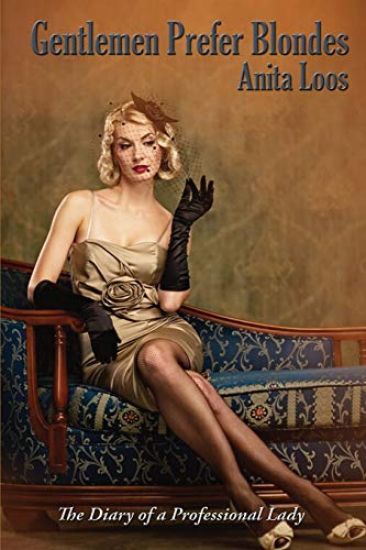

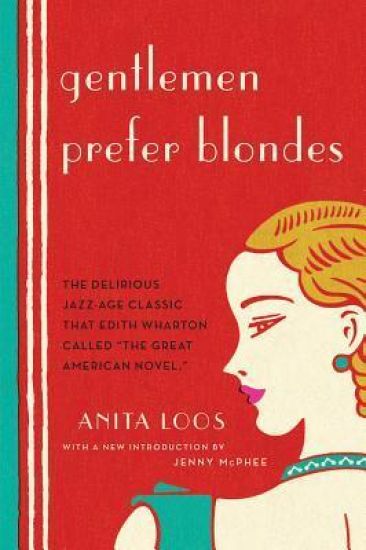
This delirious 1925 Jazz Age classic introduced readers to Lorelei Lee, the small-town girl from Little Rock, who has become one of the most timeless characters in American fiction. Outrageous and charming, this not-so-dumb blonde has been portrayed on stage and screen by Carol Channing and Marilyn Monroe and has become the archetype of the footloose, good-hearted gold digger (not that she sees herself that way). Masquerading as her diaries, Gentlemen Prefer Blondes follows Lorelei as she entertains suitors across Europe before returning home to marry a millionaire. In this delightfully droll and witty book, Lorelei’s glamorous pragmatism shines, as does Anita Loos’s mastery of irony and dialect. A craze in its day and with ageless appeal, this new Liveright edition puts Lorelei back where she belongs: front and center.


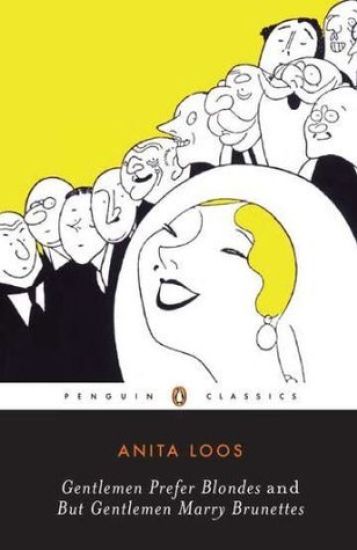
Gentlemen Prefer Blondes and But Gentlemen Marry Brunettes
Anita Loos
PENGUIN BOOKS LTD
1998
pokkari
“Kissing your hand may make you feel very very good, but a diamond and safire bracelet lasts forever.” Anita Loos first published the diaries of the gold-digging blonde Lorelei Lee in the flapper days of 1925, forging a new archetype for the modern world. Gentlemen Prefer Blondes follows Lorelei and her best friend, Dorothy, from Hollywood to Manhattan to Paris and London, pursued by eager suitors all the while. In “the Central of Europe,” with a new diamond tiara in her handbag, Lorelei meets a traveling American millionaire who just might be the one. She retires her diary, but not for long, because, as she writes in the opening pages of But Gentlemen Marry Brunettes, “it is bright ideas that keep the home fires burning, and prevent a divorce from taking all of the bloom off Romance.” For more than seventy years, Penguin has been the leading publisher of classic literature in the English-speaking world. With more than 1,700 titles, Penguin Classics represents a global bookshelf of the best works throughout history and across genres and disciplines. Readers trust the series to provide authoritative texts enhanced by introductions and notes by distinguished scholars and contemporary authors, as well as up-to-date translations by award-winning translators.
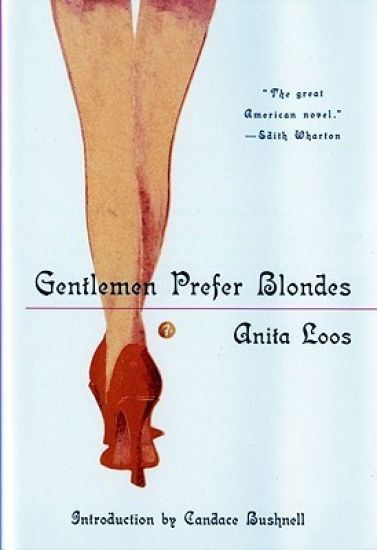
Gentlemen Prefer Blondes: The Illuminating Diary of a Professional Lady
Anita Loos; Anite Loos; Ralph Barton
Liveright Publishing Corporation
1998
nidottu
If any American fictional character of the twentieth century seems likely to be immortal, it is Lorelei Lee of Little Rock, Arkansas, the not-so-dumb blonde who knew that diamonds are a girl's best friend. Outrageous, charming, and unforgettable, she's been portrayed on stage and screen by Carol Channing and Marilyn Monroe and has become the archetype of the footloose, good-hearted gold digger, with an insatiable appetite for orchids, champagne, and precious stones. Here are her "diaries," created by Anita Loos in the Roaring Twenties, as Lorelei and her friend Dorothy barrel across Europe meeting everyone from the Prince of Wales to "Doctor Froyd"-and then back home again to marry a Main Line millionaire and become a movie star. In this delightfully droll and witty book, Lorelei Lee's wild antics, unique outlook, and imaginative way with language shine.