Kirjojen hintavertailu – 12 859 829 kirjaa ja 27 kauppaa

Kirjailija

Anita Rose

Kirjat ja teokset yhdessä paikassa: 5 kirjaa, julkaisuja vuosilta 2010–2018, suosituimpiin kuuluu Surviving Brain Damage After Assault. Vertaile teosten hintoja ja tarkista saatavuus suomalaisista kirjakaupoista.

5 kirjaa

Kirjojen julkaisuvuodet: 2010–2018.

Locked-in Syndrome after Brain Damage

Locked-in Syndrome after Brain Damage

Barbara Wilson; Paul Allen; Anita Rose; Veronika Kubickova

Routledge
2018
sidottu
The newest title in the series Survivor Stories, this book tells the story of Paul Allen, a photographer who likes opera and was a good baritone singer. At the age of 56 he sustained a stroke that left him paralysed and speechless. He has Locked-In Syndrome (LIS), a rare consequence of brain damage. Although Paul is fully conscious and his cognitive abilities are intact, he is unable to move or speak due to the paralysis of nearly all his voluntary muscles. However, Paul is keen to communicate and through his eye movements he tells his story, from his early life, career, singing and other interests, to the details of his stroke and the effects it has had on his life. The book also includes contributions from Paul’s wife Liz, who tells the story from her point of view, along with Paul’s physiotherapists, occupational therapists, speech therapists, psychologists and others from the Raphael Hospital who have assisted in Paul’s rehabilitation. In telling of his frustrations, his successes, his views on life and how he sees his future, Paul raises awareness of the quality of life possible for those with LIS. Combining scientific knowledge with personal narrative, this unique and optimistic book is of huge importance to any professional involved in the care of someone with a brain injury, and to the individuals and families touched by LIS.
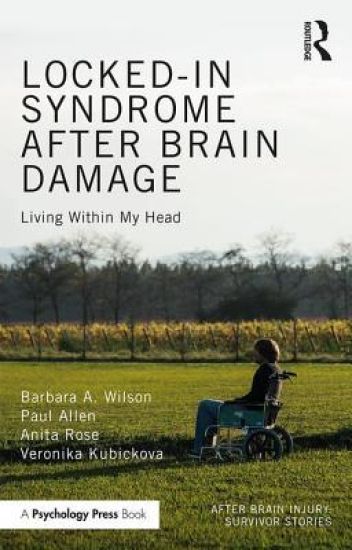
Locked-in Syndrome after Brain Damage

Locked-in Syndrome after Brain Damage

Barbara Wilson; Paul Allen; Anita Rose; Veronika Kubickova

Routledge
2018
nidottu
The newest title in the series Survivor Stories, this book tells the story of Paul Allen, a photographer who likes opera and was a good baritone singer. At the age of 56 he sustained a stroke that left him paralysed and speechless. He has Locked-In Syndrome (LIS), a rare consequence of brain damage. Although Paul is fully conscious and his cognitive abilities are intact, he is unable to move or speak due to the paralysis of nearly all his voluntary muscles. However, Paul is keen to communicate and through his eye movements he tells his story, from his early life, career, singing and other interests, to the details of his stroke and the effects it has had on his life. The book also includes contributions from Paul’s wife Liz, who tells the story from her point of view, along with Paul’s physiotherapists, occupational therapists, speech therapists, psychologists and others from the Raphael Hospital who have assisted in Paul’s rehabilitation. In telling of his frustrations, his successes, his views on life and how he sees his future, Paul raises awareness of the quality of life possible for those with LIS. Combining scientific knowledge with personal narrative, this unique and optimistic book is of huge importance to any professional involved in the care of someone with a brain injury, and to the individuals and families touched by LIS.
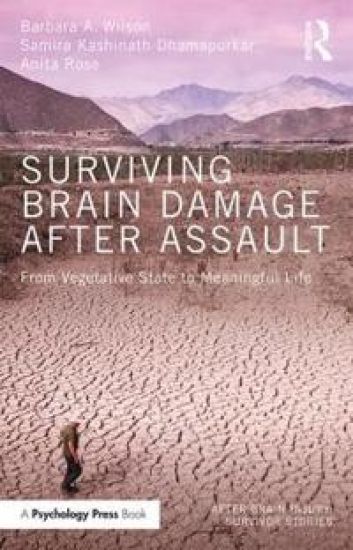
Surviving Brain Damage After Assault

Surviving Brain Damage After Assault

Barbara A. Wilson; Samira Kashinath Dhamapurkar; Anita Rose

Routledge
2016
sidottu
At the age of twenty eight Gary was assaulted by a gang with baseball bats and a hammer, resulting in several skull fractures and severe brain damage. For nineteen months he had little awareness of his surroundings before he started to show some recovery. This inspirational book documents his exceptional journey. The book presents a series of interviews with Gary, his mother Wendie, who never gave up, the medical team who initially treated him, and the therapists who worked with him over a period of three years. Through their testimony we learn about the devastating effects which can follow a serious assault to the head, and the long process of recovery over several years. With specialist rehabilitation and continuing family support Gary has exceeded expectations and, apart from some minor physical problems, he is now a normal young man. Surviving Brain Damage after Assault shows that, contrary to popular belief, considerable gains can be made by people who have experienced a long period of reduced consciousness. The book will be of great value to all professionals working in rehabilitation - psychologists, speech and language therapists, occupational therapists, social workers and rehabilitation doctors, and to people who have sustained a brain injury and their families.
Surviving Brain Damage After Assault

Surviving Brain Damage After Assault

Barbara A. Wilson; Samira Kashinath Dhamapurkar; Anita Rose

Routledge
2016
nidottu
At the age of twenty eight Gary was assaulted by a gang with baseball bats and a hammer, resulting in several skull fractures and severe brain damage. For nineteen months he had little awareness of his surroundings before he started to show some recovery. This inspirational book documents his exceptional journey. The book presents a series of interviews with Gary, his mother Wendie, who never gave up, the medical team who initially treated him, and the therapists who worked with him over a period of three years. Through their testimony we learn about the devastating effects which can follow a serious assault to the head, and the long process of recovery over several years. With specialist rehabilitation and continuing family support Gary has exceeded expectations and, apart from some minor physical problems, he is now a normal young man. Surviving Brain Damage after Assault shows that, contrary to popular belief, considerable gains can be made by people who have experienced a long period of reduced consciousness. The book will be of great value to all professionals working in rehabilitation - psychologists, speech and language therapists, occupational therapists, social workers and rehabilitation doctors, and to people who have sustained a brain injury and their families.
Emotional Intelligence for Managing Results in a Diverse World

Emotional Intelligence for Managing Results in a Diverse World

Anita Rose; Jorge Cherbosque; Lee Gardenswartz

Davies-Black
2010
pokkari
Whether you work group stretches from here to Dubai or can easily meet in a conference room down the hall, anger and frustration are easy to come by when others don't do things your way, follow directions, or respond the way you think they should. But when emotions manage workplace relationships, the result is conflict, disengagement, and low morale. Emotional Intelligence for Managing Results in a Diverse World delivers a novel prescription for managing effectively in today's workplace: Use the dynamic principles of EQ plus insights from the author's pioneering diversity work to increase your competence in managing emotions and enhance your effectiveness in work, relationships, and life. The book also gives you the know-how to use this approach in coaching and developing others to help them be more successful on the job.