Kirjojen hintavertailu – 12 903 724 kirjaa ja 27 kauppaa

Kirjailija

Anjali Verma

Kirjat ja teokset yhdessä paikassa: 6 kirjaa, julkaisuja vuosilta 2017–2026, suosituimpiin kuuluu COMPREHENSIVE ANALYSIS OF VASCULOENDOTHELIAL AND INFLAMMATORY MARKERS. Vertaile teosten hintoja ja tarkista saatavuus suomalaisista kirjakaupoista.

6 kirjaa

Kirjojen julkaisuvuodet: 2017–2026.

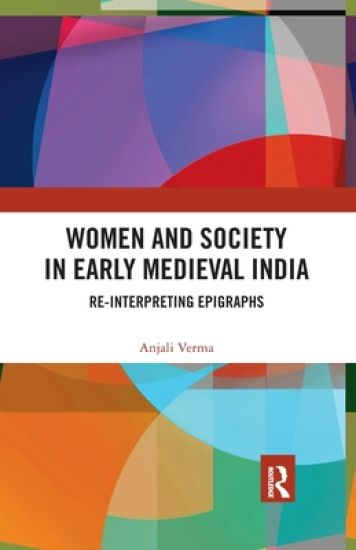
Women and Society in Early Medieval India

Women and Society in Early Medieval India

Anjali Verma

Routledge India
2020
nidottu
This book examines women and society in India during 600–1200 CE through epigraphs. It offers an analysis of inscriptional data at the pan-India level to explore key themes, including early marriage, deprivation of girls from education, property rights, widowhood and sati, as well as women in administration and positions of power. The volume also traces gender roles and agency across religions such as Hinduism and Jainism, the major religions of the times, and sheds light on a range of political, social, economic and religious dimensions. A panoramic critique of contradictions and conformity between inscriptional and literary sources, including pieces of archaeological evidence against traditional views on patriarchal stereotypes, as also regional parities and disparities, the book presents an original understanding of women’s status in early medieval South Asian society. Rich in archival material, this book will be useful to scholars and researchers of ancient and medieval Indian history, social history, archaeology, epigraphy, sociology, cultural studies, gender studies and South Asian studies.

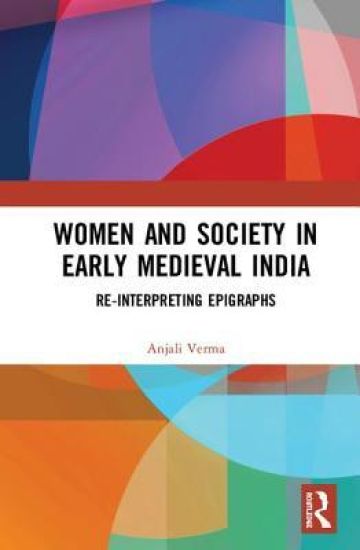
Women and Society in Early Medieval India

Women and Society in Early Medieval India

Anjali Verma

Routledge India
2018
sidottu
This book examines women and society in India during 600–1200 CE through epigraphs. It offers an analysis of inscriptional data at the pan-India level to explore key themes, including early marriage, deprivation of girls from education, property rights, widowhood and sati, as well as women in administration and positions of power. The volume also traces gender roles and agency across religions such as Hinduism and Jainism, the major religions of the times, and sheds light on a range of political, social, economic and religious dimensions. A panoramic critique of contradictions and conformity between inscriptional and literary sources, including pieces of archaeological evidence against traditional views on patriarchal stereotypes, as also regional parities and disparities, the book presents an original understanding of women’s status in early medieval South Asian society. Rich in archival material, this book will be useful to scholars and researchers of ancient and medieval Indian history, social history, archaeology, epigraphy, sociology, cultural studies, gender studies and South Asian studies.