Kirjojen hintavertailu – 12 903 724 kirjaa ja 27 kauppaa

Kirjailija

Anna Anguissola

Kirjat ja teokset yhdessä paikassa: 6 kirjaa, julkaisuja vuosilta 2015–2023, suosituimpiin kuuluu Paesaggi Domestici: L'Esperienza Della Natura Nelle Case E Nelle Ville Romane Pompei, Ercolano E l'Area Vesuviana. Vertaile teosten hintoja ja tarkista saatavuus suomalaisista kirjakaupoista.

6 kirjaa

Kirjojen julkaisuvuodet: 2015–2023.

Pliny the Elder and the Matter of Memory

Pliny the Elder and the Matter of Memory

Anna Anguissola

TAYLOR FRANCIS LTD
2023
nidottu
The Roman official and intellectual Pliny the Elder’s Natural History constitutes our primary source on the figural arts in Classical antiquity. Since the Middle Ages, Pliny’s encyclopaedia has enraptured the imaginations of its readers with anecdotes and narratives about the lives and accomplishments of the great artists of the Greek past. This book explores the ways in which materials and artistic processes are constructed in Natural History. In doing so, this work reflects current developments in the study of Graeco-Roman art, where the scientific analysis of sculptural stones, pigments, and metal alloys, as well as a more detailed understanding of technologies and workshop practices, has imposed radical changes in the methods and theoretical models used to approach ancient artefacts. The argument considers the role of materials in discourses on Nature, as well as their semantics and the language used to account for artistic creation. Discussion of artistic techniques addresses the discovery of resources and technologies, and the discursive implications of creation and viewing. By focusing on particular passages and exemplary case studies, this book explores the ideological, moral, and intellectual preoccupations that guide Pliny’s construction of materialities and human ingenuity in a period characterised by a rapidly-evolving economic landscape. The material and performative aspects of artistic, manual creation provided this early encyclopaedist with the fundaments for constructing and explaining his view of Rome’s imperial mission and, more specifically, of his own strategies as a collector and recorder of ‘all’ the memorable facts of Nature. This book will be of significant interest to scholars of classical archaeology, Greek and Latin literature, social and economic history, and reception studies.
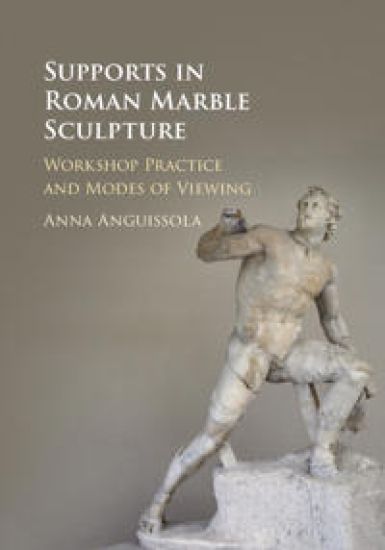
Supports in Roman Marble Sculpture

Supports in Roman Marble Sculpture

Anna Anguissola

Cambridge University Press
2023
pokkari
Figural and non-figural supports are a ubiquitous feature of Roman marble sculpture; they appear in sculptures ranging in size from miniature to colossal and of all levels of quality. At odds with modern ideas about beauty, completeness, and visual congruence, these elements, especially non-figural struts, have been dismissed by scholars as mere safeguards for production and transport. However, close examination of these features reveals the tastes and expectations of those who commissioned, bought, and displayed marble sculptures throughout the Mediterranean in the Hellenistic and Roman periods. Drawing on a large body of examples, Greek and Latin literary sources, and modern theories of visual culture, this study constitutes the first comprehensive investigation of non-figural supports in Roman sculpture. The book overturns previous conceptions of Roman visual values and traditions and challenges our understanding of the Roman reception of Greek art.
Pliny the Elder and the Matter of Memory
The Roman official and intellectual Pliny the Elder’s Natural History constitutes our primary source on the figural arts in Classical antiquity. Since the Middle Ages, Pliny’s encyclopaedia has enraptured the imaginations of its readers with anecdotes and narratives about the lives and accomplishments of the great artists of the Greek past. This book explores the ways in which materials and artistic processes are constructed in Natural History. In doing so, this work reflects current developments in the study of Graeco-Roman art, where the scientific analysis of sculptural stones, pigments, and metal alloys, as well as a more detailed understanding of technologies and workshop practices, has imposed radical changes in the methods and theoretical models used to approach ancient artefacts. The argument considers the role of materials in discourses on Nature, as well as their semantics and the language used to account for artistic creation. Discussion of artistic techniques addresses the discovery of resources and technologies, and the discursive implications of creation and viewing. By focusing on particular passages and exemplary case studies, this book explores the ideological, moral, and intellectual preoccupations that guide Pliny’s construction of materialities and human ingenuity in a period characterised by a rapidly-evolving economic landscape. The material and performative aspects of artistic, manual creation provided this early encyclopaedist with the fundaments for constructing and explaining his view of Rome’s imperial mission and, more specifically, of his own strategies as a collector and recorder of ‘all’ the memorable facts of Nature. This book will be of significant interest to scholars of classical archaeology, Greek and Latin literature, social and economic history, and reception studies.

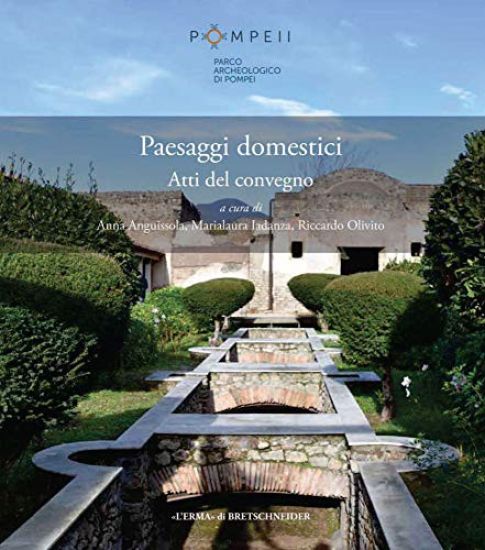
Paesaggi Domestici: L'Esperienza Della Natura Nelle Case E Nelle Ville Romane Pompei, Ercolano E l'Area Vesuviana

Paesaggi Domestici: L'Esperienza Della Natura Nelle Case E Nelle Ville Romane Pompei, Ercolano E l'Area Vesuviana

L'Erma Di Bretschneider; Anna Anguissola; Marialaura Iadanza

L'Erma Di Bretschneider
2020
nidottu
This volume focuses on the multi-faceted relationship between architecture and nature in Roman houses, villas, and the so-called "urban villas" around the Bay of Naples (1st c. BC - 1st c. AD). Unlike previous approaches to the subject, the articles gathered here tackle a precise set of questions that elaborate on three main aspects about the Roman view of the interaction between nature and the built environments. Latin literary sources on Roman villas and houses seem to pay particular attention to the impact of outside views, sounds, and climate on inner space and its qualities. Furthermore, they highlight the role of architecture in framing the landscape and regulating the perception of natural phenomena. The sensory dimension of the relationship with nature also appears to play a crucial role in the experience of domestic spaces. Moving from these considerations, the chapters collected in Paesaggi Domestici address the architectural and decorative solutions designed to incorporate landscapes into the built environment and the available methods to retrieve the sensorial dimension of ancient landscapes.
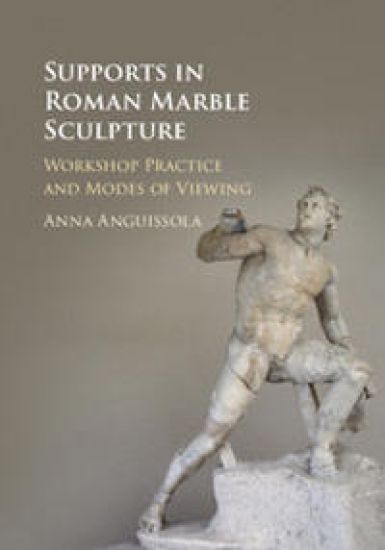
Supports in Roman Marble Sculpture

Supports in Roman Marble Sculpture

Anna Anguissola

Cambridge University Press
2018
sidottu
Figural and non-figural supports are a ubiquitous feature of Roman marble sculpture; they appear in sculptures ranging in size from miniature to colossal and of all levels of quality. At odds with modern ideas about beauty, completeness, and visual congruence, these elements, especially non-figural struts, have been dismissed by scholars as mere safeguards for production and transport. However, close examination of these features reveals the tastes and expectations of those who commissioned, bought, and displayed marble sculptures throughout the Mediterranean in the Hellenistic and Roman periods. Drawing on a large body of examples, Greek and Latin literary sources, and modern theories of visual culture, this study constitutes the first comprehensive investigation of non-figural supports in Roman sculpture. The book overturns previous conceptions of Roman visual values and traditions and challenges our understanding of the Roman reception of Greek art.
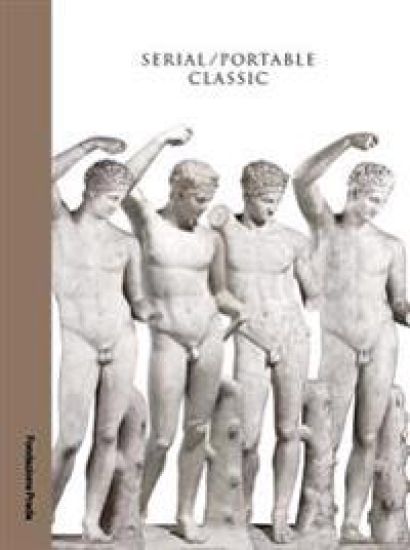
Serial / Portable Classic - The Greek Canon and its Mutations

Serial / Portable Classic - The Greek Canon and its Mutations

Anna Anguissola; Salvatore Settis

Fondazione Prada
2015
nidottu
In no other period of Western art history was the creation of copies from great masterpieces of the past as important as in late Republican Rome and throughout the Imperial Age. Certain Greek and Roman sculptures were established as canonical, their prestige so high and their acquisition so impossible that their reproductions--even on a small, portable scale--became sought-after commodities among the well-read populace of ancient Rome and modern Europe. With almost 400 duotone illustrations, a wealth of explanatory and groundbreaking scholarship and beautiful, delicate paper changes, "Serial / Portable Classic" examines this culture of the copy. Published to accompany the Fondazione Prada exhibitions "Serial Classic" in Milan and "Portable Classic" in Venice, whose display has been conceived by OMA/Rem Koolhaas, it is bound to be treasured by the student of art history and casual reader alike.