Kirjojen hintavertailu – 12 903 725 kirjaa ja 27 kauppaa

Kirjailija

Anne Applebaum

Kirjat ja teokset yhdessä paikassa: 51 kirjaa, julkaisuja vuosilta 2004–2026, suosituimpiin kuuluu Autocracy, Inc.. Vertaile teosten hintoja ja tarkista saatavuus suomalaisista kirjakaupoista.

51 kirjaa

Kirjojen julkaisuvuodet: 2004–2026.

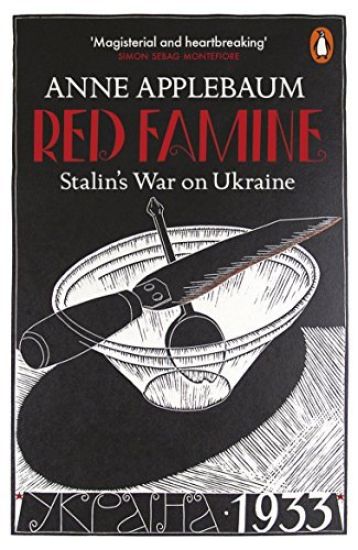
Red Famine

Red Famine

Anne Applebaum

Penguin
2018
pokkari

Halvin toimitettuna 22,00 €

The momentous new book from the Pulitzer Prize-winning author of Gulag and Iron Curtain. In 1932-33, nearly four million Ukrainians died of starvation, having been deliberately deprived of food. It is one of the most devastating episodes in the history of the twentieth century. With unprecedented authority and detail, Red Famine investigates how this happened, who was responsible, and what the consequences were. It is the fullest account yet published of these terrible events. The book draws on a mass of archival material and first-hand testimony only available since the end of the Soviet Union, as well as the work of Ukrainian scholars all over the world. It includes accounts of the famine by those who survived it, describing what human beings can do when driven mad by hunger. It shows how the Soviet state ruthlessly used propaganda to turn neighbours against each other in order to expunge supposedly 'anti-revolutionary' elements. It also records the actions of extraordinary individuals who did all they could to relieve the suffering. The famine was rapidly followed by an attack on Ukraine's cultural and political leadership - and then by a denial that it had ever happened at all. Census reports were falsified and memory suppressed. Some western journalists shamelessly swallowed the Soviet line; others bravely rejected it, and were undermined and harassed. The Soviet authorities were determined not only that Ukraine should abandon its national aspirations, but that the country's true history should be buried along with its millions of victims. Red Famine, a triumph of scholarship and human sympathy, is a milestone in the recovery of those memories and that history. At a moment of crisis between Russia and Ukraine, it also shows how far the present is shaped by the past.

Punainen nälkä

Punainen nälkä

Anne Applebaum

Siltala
2018
nidottu

Halvin toimitettuna 29,90 €

Vuosina 1932-33 lähes neljä miljoonaa ukrainalaista kuoli nälkään Stalinin käynnistämän kollektivisoinnin seurauksena. Stalin ja Neuvostoliiton ylin johto olivat täysin tietoisia käynnissä olevasta katastrofista, mutta he eivät tehneet elettäkään sitä estääkseen. Talonpoikien lisäksi Ukrainan kulttuurinen ja poliittinen johto joutui hyökkäyksen kohteeksi. Nälänhätää itsessään kiellettiin koskaan tapahtuneen. Tilastoja väärennettiin ja muistot tukahdutettiin. Neuvostojohto oli päättänyt murskata kaikki ukrainalaisten kansalliset pyrkimykset; maan historia oli lopullisesti painettava hautaan yhdessä miljoonien uhrien kanssa. Anne Applebaumin kirja perustuu massiiviseen arkistomateriaaliin ja satoihin silminnäkijähaastatteluihin sekä ukrainalaisten historioitsijoiden tutkimustuloksiin. Kirja osoittaa myös kuinka Neuvostoliiton valtio käytti propagandaa säälimättömästi hyväkseen yllyttääkseen ukrainalaiset toisiaan vastaan ja rangaistakseen ”vastavallankumouksellisia”.
Should the West Engage Putin's Russia?

Should the West Engage Putin's Russia?

Stephen F. Cohen; Vladimir Pozner; Anne Applebaum; Garry Kasparov

House of Anansi Press Ltd ,Canada
2016
pokkari
How should the West deal with Putin’s Russia? For the U. S. and some European powers the answer is obvious: isolate Russia with punishing economic sanctions, remove it from global institutions such as the G8, and arm the nations directly threatened by Putin. In short, return to the Cold War doctrine that froze Soviet aggression in Europe and helped bring about the collapse of communist Russia. Others argue that such a policy is a dead end. Putin’s Russia has legitimate grievances against Western and NATO powers meddling in its sphere of influence. Instead of further antagonizing Putin and risking a dangerous escalation of the current conflict, the U. S. and Europe should seek common cause with Russia to address shared threats, from the Middle East to Asia to combatting terrorism. In the fifteenth semi-annual Munk Debate, acclaimed academic Stephen F. Cohen and veteran journalist and bestselling author Vladimir Poznar square off against internationally renowned expert on Russian history Anne Applebaum and Russian-born political dissident Garry Kasparov to debate the future of the West’s relationship with Russia.
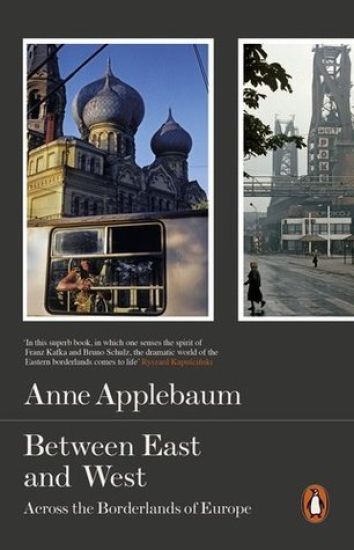
Between East and West

Between East and West

Anne Applebaum

Penguin Books Ltd
2015
pokkari

Halvin toimitettuna 18,70 €

A vivid and human glimpse into Europe's borderlands as they emerged from Soviet rule - back in print after nearly 20 years'In this superb book, in which one senses the spirit of Franz Kafka and Bruno Schulz, the dramatic world of the Eastern borderlands comes to life' Ryszard KapuscinskiAs Europe's borderlands emerged from Soviet rule, Anne Applebaum travelled from the Baltic to the Black Sea, through Lithuania, Belarus, Ukraine and the Carpathian mountains. Rich in vivid characters and stories of tragedy and survival, Between East and West illuminates the soul of a place, and the secret history of its people. 'A beautifully written and thought-provoking account of a journey along Europe's forgotten edge' Timothy Garton Ash'A vivid and penetrating assessment of the lands between the Baltic and the Black Sea in all their drama and desolation . . . a wise and useful book' Robert Conquest'Combines the excitement of a well-written and adventurous travelogue with sophisticated reportage' Norman Davies'You will be totally absorbed' Norman StoneAnne Applebaum is a historian and journalist, a regular columnist for the Washington Post and Slate, and the author of several books, including Gulag: A History, which won the 2004 Pulitzer Prize for non-fiction, and Iron Curtain, which in 2013 won the Duke of Westminster Medal for Military Literature and the Cundill Prize in Historical Literature. She is the Director of Political Studies at the Legatum Institute in London, and she divides her time between Britain and Poland, where her husband, Radek Sikorski, serves as Foreign Minister.
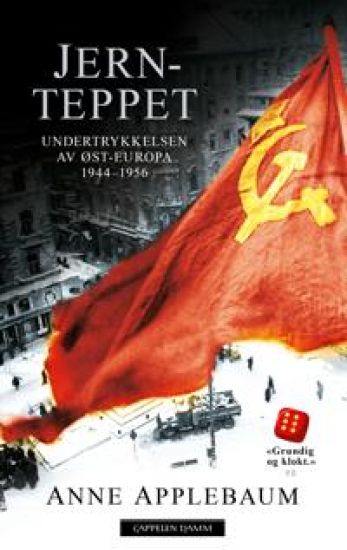
Jernteppet

Jernteppet

Anne Applebaum

Cappelen Damm
2014
pokkari
Da den andre verdenskrig tok slutt fikk Sovjetunionen plutselig og uventet kontroll over et enormt territorium i Øst-Europa. Jernteppet viser hvordan Stalin og hans hemmelige politi satte seg fore å tvinge en rekke radikalt forskjellige land inn i de strenge rammene til ett politisk og moralsk system: kommunismen. Boken skildrer hvordan samfunnsinstitusjoner systematisk ble plukket fra hverandre, hvordan regimer ble bygget opp i deres sted, og hvordan dagliglivet etter hvert gikk sin gang." Grundig og klokt om kommunistenes maktovertagelse i Polen, Ungarn og Øst-Tyskland etter annen verdenskrig." ".. et både fascinerende og skremmende innblikk bak jernteppet - og en viktig påminnelse av hvor mange som faktisk kjempet imot." Sten Inge Jørgensen, VG (Terningkast 6) "Anne Applebaum gjev oss ein grundig dokumentasjon av det sovjetiske grunnrisset." Per Egil Hegge, Dag og tid "(...)Jernteppet» er en syntetiserende, kilderik og engasjerende analyse av totalitarismens virkning på østeuropeere i etterkrigstida, med vekt på deres hverdagsliv, og en bok som gir troverdig svar på hvorfor det ideologiske betongbyggverket raknet: De kommunistiske partiene innfridde ikke sine løfter." Stian Bromark, Dagsavisen "Applebaum tar et ugjennomtrengelig og komplisert tema, fullstappet med kommunistiske akronymer og uforståelig sjargong, og gjør det ikke bare underholdende, men til tider også vittig. Av den grunn alene, er dette et sant mesterverk." The Telegraph "Jernteppet er en eksepsjonelt viktig bok som på effektivt vis utfordrer mange av mytene rundt den kalde krigens opprinnelse. Den er klok, innsiktsfull, bemerkelsesverdig objektiv og strålende researchet." Antony Beevor
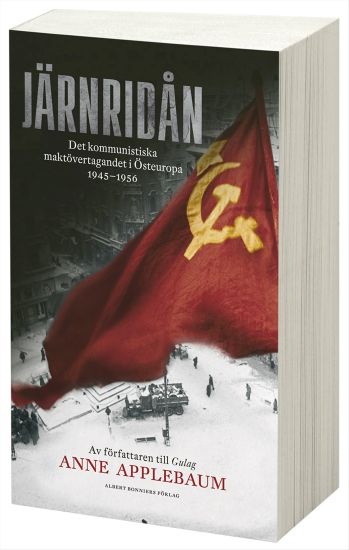
Järnridån : det kommunistiska maktövertagandet i Östeuropa 1945 - 1956

Järnridån : det kommunistiska maktövertagandet i Östeuropa 1945 - 1956

Anne Applebaum

Albert Bonniers Förlag
2014
isokokoinen pokkari
”Från Stettin vid Östersjön till Trieste vid Adriatiska havet har en järnridå sänkts tvärs över kontinenten.” Winston Churchill, 1946 Den kritikerhyllade journalisten Anne Applebaum är tillbaka. Järnridån berättar historien om hur Östeuropa hamnade under det kommunistiska oket efter andra världskrigets slut. Den efterlängtade uppföljaren till Pulitzerprisvinnaren och bestsellern Gulag. Hur gick det egentligen till när Sovjet utökade sitt territorium och tog kontrollen över en rad östeuropeiska länder efter andra världskrigets slut? Hur kunde folk som precis befriats från det nazistiska förtrycket låta sig ockuperas av Moskva? Vilka krafter var i rörelse, vilka medel använde Stalin och hans säkerhetsapparat för att krossa det hopp om frihet och självständighet som spirade efter krigsslutet? Anne Applebaum koncentrerar sig i Järnridån på utvecklingen i tre länder: Östtyskland, Polen och Ungern och visar hur Stalin på ett smart och hänsynslöst sätt utnyttjade det unika historiska läget och på kort tid tog kontrollen över halva Europa genom att göra dem till kommunistiska lydstater, ett i grunden nytt politiskt och moraliskt system. Med hjälp av nya arkivfynd och aldrig tidigare publicerade vittnesmål skildrar Applebaum med fasansfull detaljrikedom hur livet gestaltade sig för de miljontals människor som försökte anpassa sig till det nya livet under terrorn, berövade både mänskligt hopp och världsliga tillgångar. Idag är Sovjetblocket historia, en ond parentes, vars bisarra moralsystem, grymhet och paranoia, kan kännas oerhört främmande och avlägsen. I Järnridån fångar och levandegör Applebaum en epok och ett system som under lång tid var den bistra verkligheten för miljontals människor i Europa.
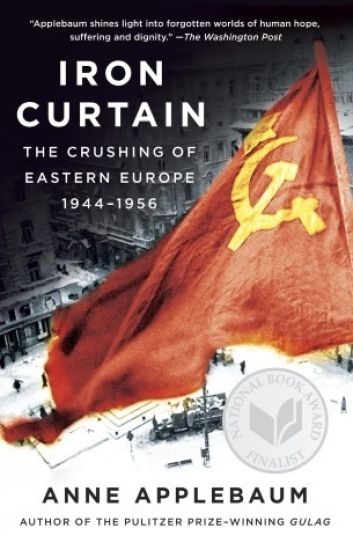
Iron Curtain: The Crushing of Eastern Europe, 1944-1956

Iron Curtain: The Crushing of Eastern Europe, 1944-1956

Anne Applebaum

ANCHOR BOOKS
2013
nidottu

Halvin toimitettuna 23,00 €

National Book Award Finalist TIME Magazine's #1 Nonfiction Book of 2012A New York Times Notable BookA Washington Post Top Ten Book of 2012Best Nonfiction of 2012: The Wall Street Journal, The Plain Dealer In the much-anticipated follow-up to her Pulitzer Prize-winning Gulag, acclaimed journalist Anne Applebaum delivers a groundbreaking history of how Communism took over Eastern Europe after World War II and transformed in frightening fashion the individuals who came under its sway. Iron Curtain describes how, spurred by Stalin and his secret police, the Communist regimes of Eastern Europe were created and what daily life was like once they were complete. Drawing on newly opened East European archives, interviews, and personal accounts translated for the first time, Applebaum portrays in chilling detail the dilemmas faced by millions of individuals trying to adjust to a way of life that challenged their every belief and took away everything they had accumulated. As a result the Soviet Bloc became a lost civilization, one whose cruelty, paranoia, bizarre morality, and strange aesthetics Applebaum captures in these electrifying pages.
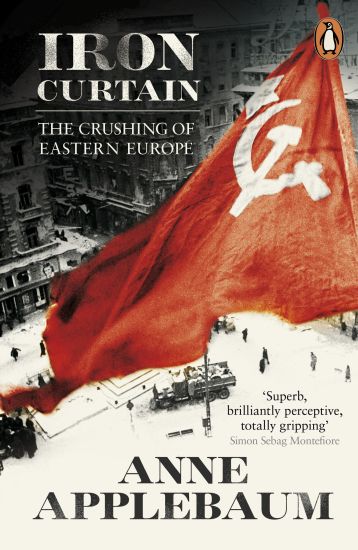
Iron Curtain

Iron Curtain

Anne Applebaum

Penguin Books Ltd
2013
pokkari

Halvin toimitettuna 23,60 €

Chosen 16 times as a 'Book of the Year' - the top non-fiction pick of 2012'The best work of modern history I have ever read' A. N. Wilson, Financial TimesAt the end of the Second World War, the Soviet Union unexpectedly found itself in control of a huge swathe of territory in Eastern Europe. Stalin and his secret police set out to convert a dozen radically different countries to a completely new political and moral system: Communism. Anne Applebaum's landmark history of this brutal time shows how societies were ruthlessly eviscerated by Communist regimes, how opposition was destroyed and what life was like for ordinary people who had to choose whether to fight, to flee or to collaborate. A haunting reminder of how fragile freedom can be, Iron Curtain is an exceptional work of historical and moral reckoning. ANNE APPLEBAUM is a historian and journalist, a regular columnist for the Washington Post and Slate, and the author of several books, including Gulag: A History, which won the 2004 Pulitzer Prize for non-fiction. She is the Director of Political Studies at the Legatum Institute in London, and she divides her time between Britain and Poland, where her husband, Radek Sikorski, serves as Foreign Minister.'The outstanding book of the year ... a masterpiece' Oliver Kamm, The Times, Books of the Year'Exceptionally important, wise, perceptive, remarkably objective' Antony Beevor 'Explains in a manner worthy of Arthur Koestler what totalitarianism really means ... it is a window into a world of lies and evil that we can hardly imagine' Edward Lucas, Standpoint'At last the story can be told ... a magisterial history' Orlando Figes, Mail on Sunday
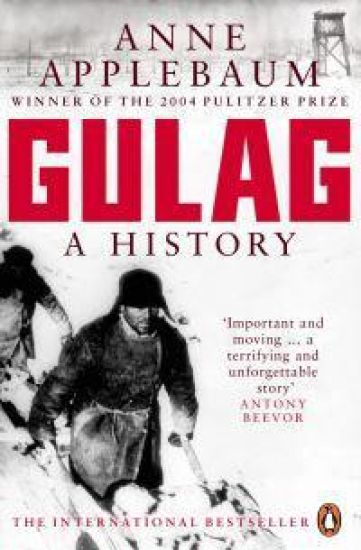
Gulag

Gulag

Anne Applebaum

Penguin Books Ltd
2004
pokkari

Halvin toimitettuna 22,00 €

This landmark book uncovers for the first time in detail one of the greatest horrors of the twentieth century: the vast system of Soviet camps that were responsible for the deaths of countless millions. Gulag is the only major history in any language to draw together the mass of memoirs and writings on the Soviet camps that have been published in Russia and the West. Using these, as well as her own original research in NKVD archives and interviews with survivors, Anne Applebaum has written a fully documented history of the camp system: from its origins under the tsars, to its colossal expansion under Stalin's reign of terror, its zenith in the late 1940s and eventual collapse in the era of glasnost. It is a gigantic feat of investigation, synthesis and moral reckoning.
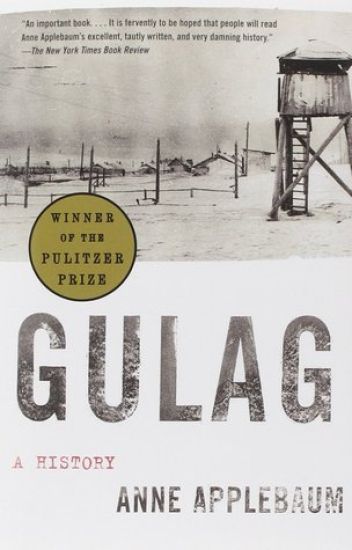
Gulag: A History

Gulag: A History

Anne Applebaum

VINTAGE
2004
nidottu

Halvin toimitettuna 21,60 €

The Gulag—the vast array of Soviet concentration camps—was a system of repression and punishment whose rationalized evil and institutionalized inhumanity were rivaled only by the Holocaust. The Gulag entered the world’s historical consciousness in 1972, with the publication of Alexander Solzhenitsyn’s epic oral history of the Soviet camps, The Gulag Archipelago. Since the collapse of the Soviet Union, dozens of memoirs and new studies covering aspects of that system have been published in Russia and the West. Using these new resources as well as her own original historical research, Anne Applebaum has now undertaken, for the first time, a fully documented history of the Soviet camp system, from its origins in the Russian Revolution to its collapse in the era of glasnost. It is an epic feat of investigation and moral reckoning that places the Gulag where it belongs: at the center of our understanding of the troubled history of the twentieth century. Anne Applebaum first lays out the chronological history of the camps and the logic behind their creation, enlargement, and maintenance. The Gulag was first put in place in 1918 after the Russian Revolution. In 1929, Stalin personally decided to expand the camp system, both to use forced labor to accelerate Soviet industrialization and to exploit the natural resources of the country’s barely habitable far northern regions. By the end of the 1930s, labor camps could be found in all twelve of the Soviet Union’s time zones. The system continued to expand throughout the war years, reaching its height only in the early 1950s. From 1929 until the death of Stalin in 1953, some 18 million people passed through this massive system. Of these 18 million, it is estimated that 4.5 million never returned. But the Gulag was not just an economic institution. It also became, over time, a country within a country, almost a separate civilization, with its own laws, customs, literature, folklore, slang, and morality. Topic by topic, Anne Applebaum also examines how life was lived within this shadow country: how prisoners worked, how they ate, where they lived, how they died, how they survived. She examines their guards and their jailers, the horrors of transportation in empty cattle cars, the strange nature of Soviet arrests and trials, the impact of World War II, the relations between different national and religious groups, and the escapes, as well as the extraordinary rebellions that took place in the 1950s. She concludes by examining the disturbing question why the Gulag has remained relatively obscure, in the historical memory of both the former Soviet Union and the West.