Kirjojen hintavertailu – 12 903 725 kirjaa ja 27 kauppaa
Kirjailija
Anne Garland
Kirjat ja teokset yhdessä paikassa: 7 kirjaa, julkaisuja vuosilta 2003–2025, suosituimpiin kuuluu Secrets of a Serial Networker: Connect, Serve, and Attract More Clients. Vertaile teosten hintoja ja tarkista saatavuus suomalaisista kirjakaupoista.
Magnus Karlsson; Jón Karlsson; Harald Roos; Henrik Düppe; Li Felländer-Tsai; Björn Rosengren; Paul W. Ackermann; Lars Adolfsson; Henrik Ahlborg; Adad Baranto; Hanna Björnsson Hallgren; Helena Brisby; Mats Brittberg; Maria Cöster; Leif E Dahlberg; Annette Erichsen; Karl Eriksson; Johan Fintland; Gunnar Flivik; Anne Garland; Paul Gerdhem; Pelle Gustafson; Kerstin Hagberg; Nils Hailer; Sophia Halldin Lindorsson; Ulla Hellstrand Tang; Michael Kjær; Ingvar Kristiansson; Lars Lidgren; Michael Möller; Katarina Nilsson Helander
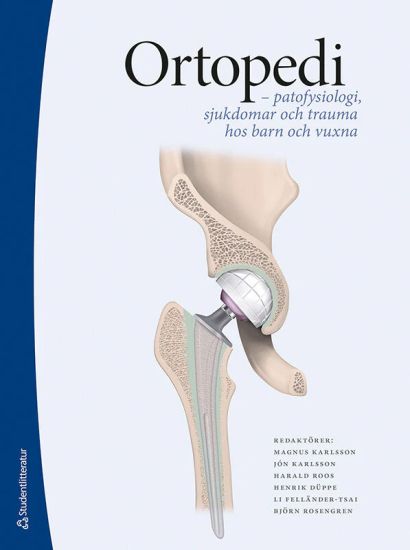
Ortopedi - patofysiologi, sjukdomar och trauma hos barn och vuxna är en omfattande grundbok i ortopedi som ger en aktuell introduktion till fältet. Boken är uppdelad i tre delar. Del ett behandlar historik, epidemiologi, muskuloskeletal biologi, klinisk undersökningsteknik och diagnostik samt generella problem, frågeställningar och sjukdomar inom ortopedin. Del två går i olika kapitel systematiskt igenom kroppens regioner vad gäller ortopediska sjukdomar och trauman hos vuxna. I varje kapitel används genomgående rubrikerna bakgrund, symptom, diagnostik, behandling samt prognos. I del tre upprepas denna struktur vad gäller barnaårens ortopediska sjukdomar och trauman. Samtliga delar innehåller rikliga illustrationer som kompletterar texterna. Ortopedi - patofysiologi, sjukdomar och trauma hos barn och vuxna är framför allt avsedd för läkarstudenter, utbildningsläkare samt specialistläkare som handlägger ortopediska sjukdomar och skador. Boken kan med fördel även användas av annan vårdpersonal som är engagerad i utredning och behandling av ortopediska sjukdomar och trauman.

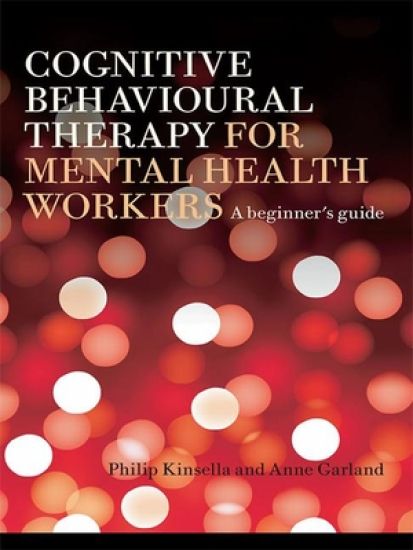
Can Cognitive behavioural therapy revolutionise your practice? Cognitive Behavioural Therapy is an effective and frequently used psychological treatment. Cognitive Behavioural Therapy for Mental Health Workers offers the reader a good overview of CBT, allowing them to develop an understanding of the patient’s problems, utilise the approach effectively, prepare for supervision, and integrate CBT skills into everyday practice. This clear, comprehensive introduction written by experienced clinicians, describes how to use CBT within the busy clinical environment. Subjects covered include:the therapeutic relationship in CBTtreating anxiety disorders and depressiondeveloping further CBT skillsutilising CBT in different mental health settingsrecent developments in practice. This straightforward guide will be essential for all mental health workers who are new to CBT, including nurses, occupational therapists, and counsellors as well as anyone training in mental health professions.
‘This volume provides the most comprehensive presentation, to date, of the phenomenology, clinical aspects and cognitive therapy of persistent depression. The text is highly readable, replete with illustrative case material and highlighted by concise summaries at the end of each chapter. The treatment approach, already validated in the famed Cambridge–Newcastle clinical trial, is an invaluable contribution.’ Aaron T. Beck, M. D. Drawing on extensive clinical experience, Richard G. Moore and Anne Garland present a cognitive model of persistent depression that places particular importance on the role of thinking styles, underlying beliefs, subtle forms of avoidance and environmental factors. For the practitioner, this book offers guidance on how to address particular issues that commonly arise at each stage of therapy, such as: *the patient is reluctant to engage in therapy *the patient’s negative thinking does not respond to standard therapeutic techniques *the patient’s negative beliefs have much basis in their experience *the therapist becomes demoralised by the apparent lack of progress in therapy Through extensive clinical material, Cognitive Therapy for Chronic and Persistent Depression demonstrates how entrenched negative thinking patterns and ongoing avoidance can be addressed to achieve significant change in many people’s lives. This book is essential reading for any therapist working with these hard to help patients, such as clinical psychologists, psychiatric nurses, psychiatrists, social workers and counsellors.
"This volume provides the most comprehensive presentation, to date, of the phenomenology, clinical aspects and cognitive therapy of persistent depression. The text is highly readable, replete with illustrative case material and highlighted by concise summaries at the end of each chapter. The treatment approach, already validated in the famed Cambridge–Newcastle clinical trial, is an invaluable contribution." —Aaron T. Beck, M. D. Drawing on extensive clinical experience, Richard G. Moore and Anne Garland present a cognitive model of persistent depression that places particular importance on the role of thinking styles, underlying beliefs, subtle forms of avoidance and environmental factors. For the practitioner, this book offers guidance on how to address particular issues that commonly arise at each stage of therapy, such as: *the patient is reluctant to engage in therapy *the patient’s negative thinking does not respond to standard therapeutic techniques *the patient’s negative beliefs have much basis in their experience *the therapist becomes demor alised by the apparent lack of progress in therapy Through extensive clinical material, Cognitive Therapy for Chronic and Persistent Depression demonstrates how entrenched negative thinking patterns and ongoing avoidance can be addressed to achieve significant change in many people’s lives. This book is essential reading for any therapist working with these hard to help patients, such as clinical psychologists, psychiatric nurses, psychiatrists, social workers and counsellors.