Kirjojen hintavertailu – 12 875 485 kirjaa ja 26 kauppaa
Kirjailija
Anne Martin
Kirjat ja teokset yhdessä paikassa: 11 kirjaa, julkaisuja vuosilta 2010–2025, suosituimpiin kuuluu Jin bu Chinese Teacher Guide 1 (11-14 Mandarin Chinese). Vertaile teosten hintoja ja tarkista saatavuus suomalaisista kirjakaupoista.
Jìn bù 11-14 Mandarin Chinese is a two year course and has been written by a team of Chinese teachers to meet the needs of pupils taking Chinese as a second language.
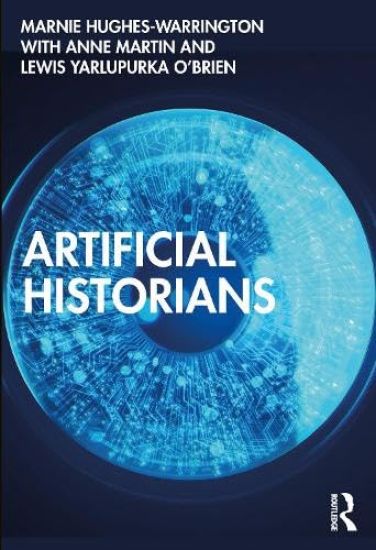
This book offers readers an introduction to the world of artificial histories and historians. It looks behind the interfaces of AI and explores everyday platforms and prize-winning history books to identify how people and algorithms make histories, and how they might make histories in the future. Every moment around the globe, histories are made about ordinary people who use digital devices. These histories are not made by professional historians or even by humans, but by artificial intelligence that scours our digital footprints for patterns. AI histories not only shape recommendations about what we might buy or stream, but also our access to education, healthcare, and justice. The outcomes of recommendation systems are not just a technology problem or an ethics problem. This book argues that this is also a history problem, and it needs to be understood as one if we are to make fairer or more just systems. It shows us that the deep history of history making—including Australian Aboriginal and First Nations histories—can help us to navigate the future of history in AI. Presenting readers with a range of familiar and accessible examples, Artificial Historians is a valuable resource for students, scholars, and all those interested in global historiography, technology, and artificial intelligence.
This book offers readers an introduction to the world of artificial histories and historians. It looks behind the interfaces of AI and explores everyday platforms and prize-winning history books to identify how people and algorithms make histories, and how they might make histories in the future. Every moment around the globe, histories are made about ordinary people who use digital devices. These histories are not made by professional historians or even by humans, but by artificial intelligence that scours our digital footprints for patterns. AI histories not only shape recommendations about what we might buy or stream, but also our access to education, healthcare, and justice. The outcomes of recommendation systems are not just a technology problem or an ethics problem. This book argues that this is also a history problem, and it needs to be understood as one if we are to make fairer or more just systems. It shows us that the deep history of history making—including Australian Aboriginal and First Nations histories—can help us to navigate the future of history in AI. Presenting readers with a range of familiar and accessible examples, Artificial Historians is a valuable resource for students, scholars, and all those interested in global historiography, technology, and artificial intelligence.
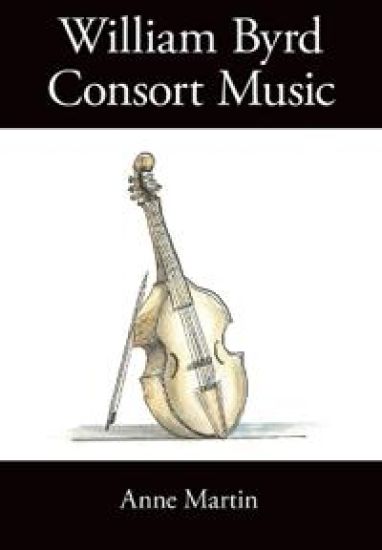
Anne Martin worked as a music teacher after graduating from Homerton College, Cambridge with a degree in Music and Education. She became interested in Early Music and the recorder in her twenties and has taught the recorder and conducted recorder groups for many years as well as arranging music, composing and writing. Her interest in the consort music of William Byrd led to the completion of a doctorate at the University of Aberdeen in 2020.
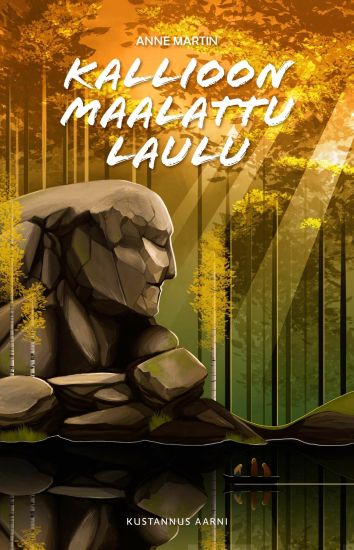
”Ei se ollut isäjumala, joka veisti kasvot kallioon. Se oli lahja hänen rakastajattareltaan.” (Ilta, 1200 eaa.)Olivia on elänyt koko elämänsä luonnon keskellä, kivisten kasvojen kaitsevan katseen alla. Eletään aikaa, jossa maailma niin kuin me sen tunnemme on muuttunut lähes asuinkelvottomaksi, ja valtaa pitävät mystiset koneenkaltaiset olennot. Pieni ihmisyhteisö on etsiytynyt turvaan syvälle metsään. Eräänä iltana Olivia kuulee kalliomaalausten takaa laulua ja saa näyn, joka tuo hänen luokseen salaperäisen Eliaksen. Olivian tytär, muinaisen esiäidin siunaama Sade, ohjaa äitinsä ymmärtämään yhä vahvistuvaa yhteyttä kallion takaiseen maailmaan. Lopulta heidän on rakkaitaan suojellakseen yhdistettävä mahtinsa vastustamaan petoja, jotka vaanivat turvallisen metsän rajoilla. Postapokalyptinen, fantasiaelementeistä ammentava sukupolvitarina on puheenvuoro metsien ja ihmisoikeuksien puolesta. KT Anne Martin on kirjoittamisen tutkija ja luovan kirjoittamisen ohjaaja. Kallioon maalattu laulu on hänen esikoisromaaninsa. Teos voitti Kustannus Aarnin vuonna 2020 järjestämän Minä ja metsä -kirjoituskilpailun spekulatiivisen fiktion sarjan.
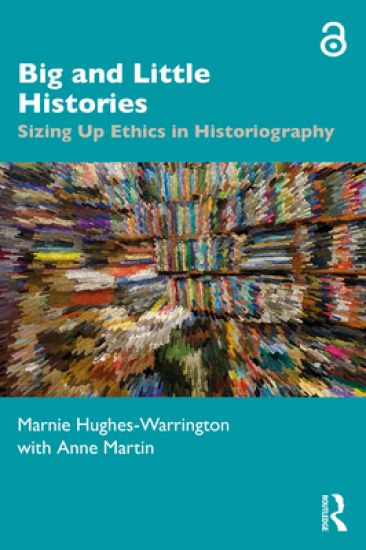
This book introduces students to ethics in historiography through an exploration of how historians in different times and places have explained how history ought to be written and how those views relate to different understandings of ethics. No two histories are the same. The book argues that this is a good thing because the differences between histories are largely a matter of ethics. Looking to histories made across the world and from ancient times until today, readers are introduced to a wide variety of approaches to the ethics of history, including well-known ethical approaches, such as the virtue ethics of universal historians, and utilitarian approaches to collective biography writing while also discovering new and emerging ideas in the ethics of history. Through these approaches, readers are encouraged to challenge their ideas about whether humans are separate from other living and non-living things and whether machines and animals can write histories. The book looks to the fundamental questions posed about the nature of history making by Indigenous history makers and asks whether the ethics at play in the global variety of histories might be better appreciated in professional codes of conduct and approaches to research ethics management. Opening up the topic of ethics to show how historians might have viewed ethics differently in the past, the book requires no background in ethics or history theory and is open to all of those with an interest in how we think about good histories.
This book introduces students to ethics in historiography through an exploration of how historians in different times and places have explained how history ought to be written and how those views relate to different understandings of ethics. No two histories are the same. The book argues that this is a good thing because the differences between histories are largely a matter of ethics. Looking to histories made across the world and from ancient times until today, readers are introduced to a wide variety of approaches to the ethics of history, including well-known ethical approaches, such as the virtue ethics of universal historians, and utilitarian approaches to collective biography writing while also discovering new and emerging ideas in the ethics of history. Through these approaches, readers are encouraged to challenge their ideas about whether humans are separate from other living and non-living things and whether machines and animals can write histories. The book looks to the fundamental questions posed about the nature of history making by Indigenous history makers and asks whether the ethics at play in the global variety of histories might be better appreciated in professional codes of conduct and approaches to research ethics management. Opening up the topic of ethics to show how historians might have viewed ethics differently in the past, the book requires no background in ethics or history theory and is open to all of those with an interest in how we think about good histories.
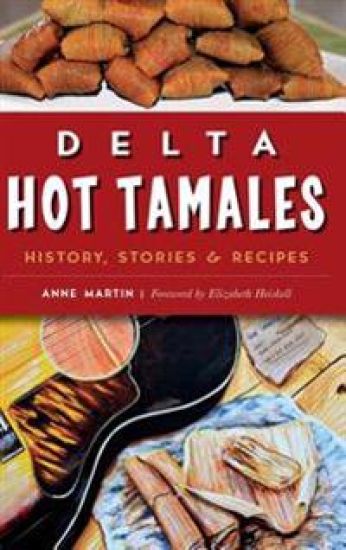
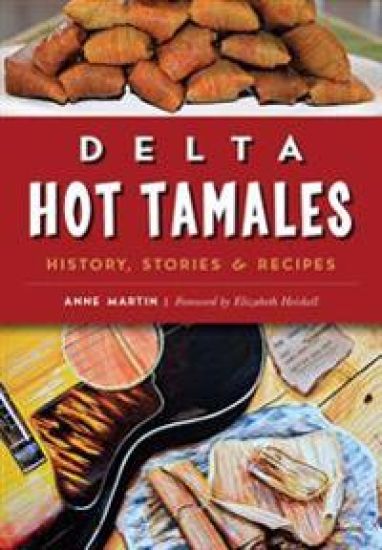
Several theories surround the traditional Delta tamale. Some trace it back to Mexican and Italian immigrants, while others say the Delta version of the hand-held meal is a spin on the old African American food called cush. One thing not disputed is the popularity. From hot tamale legends Joe Pope, Shine Thornton and the Scott family to current chefs, the traditions and the secret recipes live on. Writer and historian Anne Martin showcases the stories behind the traditional Delta hot tamale, as well as the countless variations of the delicacy found within the region."
Several theories surround the traditional Delta tamale. Some trace it back to Mexican and Italian immigrants, while others say the Delta version of the hand-held meal is a spin on the old African American food called cush. One thing not disputed is the popularity. From hot tamale legends Joe Pope, Shine Thornton and the Scott family to current chefs, the traditions and the secret recipes live on. Writer and historian Anne Martin showcases the stories behind the traditional Delta hot tamale, as well as the countless variations of the delicacy found within the region.
Jìn bù 11-14 Mandarin Chinese is a two year course and has been written by a team of Chinese teachers to meet the needs of pupils taking Chinese as a second language.