Kirjojen hintavertailu – 12 859 829 kirjaa ja 27 kauppaa

Kirjailija

Anthony G. Picciano

Kirjat ja teokset yhdessä paikassa: 10 kirjaa, julkaisuja vuosilta 2012–2025, suosituimpiin kuuluu Online Education. Vertaile teosten hintoja ja tarkista saatavuus suomalaisista kirjakaupoista.

10 kirjaa

Kirjojen julkaisuvuodet: 2012–2025.

Online Education

Online Education

Anthony G. Picciano

TAYLOR FRANCIS LTD
2025
sidottu
Online Education is a comprehensive exploration of fully online and blended teaching platforms, addressing history, theory, research, planning, and practice. As colleges, universities, and schools around the world accelerate their adoption of large-scale technologies and traditional class models shift into seamless, digitally interactive environments, critical insights are needed into the implications for administration and pedagogy. Written by a major contributor to the field, this book contextualizes online education in the past and present before analyzing its fundamental changes to instruction, program integration, social interaction, content construction, networked media, policy, and more. This substantively revised second edition examines recent developments in services and implementation, from the expansion of synchronous online learning experiences to the widened availability of generative artificial intelligence software, while updating its research foundations and case studies. A provocative concluding chapter speculates on the future of education as the sector becomes increasingly dependent on advanced AI systems, massive cloud computing, biosensing tools, and robotics.
Online Education

Online Education

Anthony G. Picciano

TAYLOR FRANCIS LTD
2025
nidottu
Online Education is a comprehensive exploration of fully online and blended teaching platforms, addressing history, theory, research, planning, and practice. As colleges, universities, and schools around the world accelerate their adoption of large-scale technologies and traditional class models shift into seamless, digitally interactive environments, critical insights are needed into the implications for administration and pedagogy. Written by a major contributor to the field, this book contextualizes online education in the past and present before analyzing its fundamental changes to instruction, program integration, social interaction, content construction, networked media, policy, and more. This substantively revised second edition examines recent developments in services and implementation, from the expansion of synchronous online learning experiences to the widened availability of generative artificial intelligence software, while updating its research foundations and case studies. A provocative concluding chapter speculates on the future of education as the sector becomes increasingly dependent on advanced AI systems, massive cloud computing, biosensing tools, and robotics.
Online Education

Online Education

Anthony G. Picciano

Routledge
2018
nidottu
Online Education is a comprehensive exploration of blended and fully online teaching platforms, addressing history, theory, research, planning, and practice. As colleges, universities, and schools around the world adopt large-scale technologies and traditional class models shift into seamless, digitally interactive environments, critical insights are needed into the implications for administration and pedagogy. Written by a major contributor to the field, this book contextualizes online education in the past and present before analyzing its fundamental changes to instruction, program integration, social interaction, content construction, networked media, policy, and more. A provocative concluding chapter speculates on the future of education as the sector becomes increasingly dependent on learning technologies.
Online Education

Online Education

Anthony G. Picciano

Routledge
2018
sidottu
Online Education is a comprehensive exploration of blended and fully online teaching platforms, addressing history, theory, research, planning, and practice. As colleges, universities, and schools around the world adopt large-scale technologies and traditional class models shift into seamless, digitally interactive environments, critical insights are needed into the implications for administration and pedagogy. Written by a major contributor to the field, this book contextualizes online education in the past and present before analyzing its fundamental changes to instruction, program integration, social interaction, content construction, networked media, policy, and more. A provocative concluding chapter speculates on the future of education as the sector becomes increasingly dependent on learning technologies.
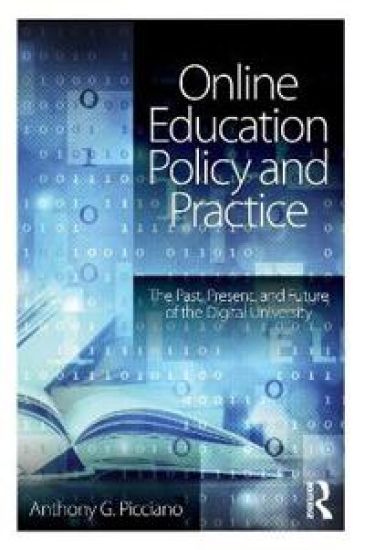
Online Education Policy and Practice

Online Education Policy and Practice

Anthony G. Picciano

Routledge
2016
nidottu
Online Education Policy and Practice examines the past, present, and future of networked learning environments and the changing role of faculty within them. As digital technologies in higher education increasingly enable blended classrooms, collaborative assignments, and wider student access, an understanding of the creation and ongoing developments of these platforms is needed more than ever. By investigating the history of online education, the rise and critique of MOOCs, the mainstreaming of social media, mobile devices, gaming in instruction, and more, this expansive book outlines a variety of potential scenarios likely to become realities in higher education over the next decade.
Online Education Policy and Practice

Online Education Policy and Practice

Anthony G. Picciano

Routledge
2016
sidottu
Online Education Policy and Practice examines the past, present, and future of networked learning environments and the changing role of faculty within them. As digital technologies in higher education increasingly enable blended classrooms, collaborative assignments, and wider student access, an understanding of the creation and ongoing developments of these platforms is needed more than ever. By investigating the history of online education, the rise and critique of MOOCs, the mainstreaming of social media, mobile devices, gaming in instruction, and more, this expansive book outlines a variety of potential scenarios likely to become realities in higher education over the next decade.
Conducting Research in Online and Blended Learning Environments

Conducting Research in Online and Blended Learning Environments

Charles D. Dziuban; Anthony G. Picciano; Charles R. Graham; Patsy D. Moskal

Routledge
2015
sidottu
Conducting Research in Online and Blended Learning Environments examines various perspectives, issues, and methods for conducting research in online and blended learning environments. The book provides in-depth examinations of the perspectives and issues that anyone considering research in online or blended learning will find insightful as they plan their own inquiries. Grounded in educational research theory, this is invaluable to both the serious researcher as well as the occasional evaluator. Conducting Research in Online and Blended Learning Environments provides comprehensive, useful information on research paradigms, methodologies, and methods that should be considered in designing and conducting studies in this area. Examples of the most respected research in the field enhance each chapter’s presentation.
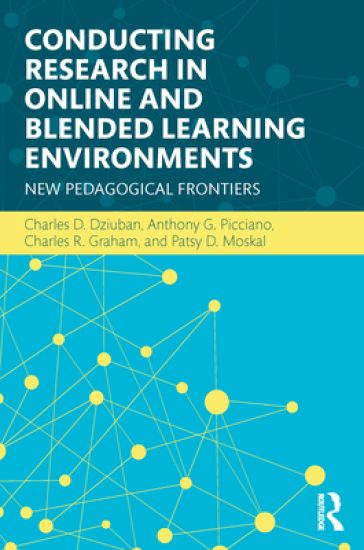
Conducting Research in Online and Blended Learning Environments

Conducting Research in Online and Blended Learning Environments

Charles D. Dziuban; Anthony G. Picciano; Charles R. Graham; Patsy D. Moskal

Routledge
2015
nidottu
Conducting Research in Online and Blended Learning Environments examines various perspectives, issues, and methods for conducting research in online and blended learning environments. The book provides in-depth examinations of the perspectives and issues that anyone considering research in online or blended learning will find insightful as they plan their own inquiries. Grounded in educational research theory, this is invaluable to both the serious researcher as well as the occasional evaluator. Conducting Research in Online and Blended Learning Environments provides comprehensive, useful information on research paradigms, methodologies, and methods that should be considered in designing and conducting studies in this area. Examples of the most respected research in the field enhance each chapter’s presentation.
The Great American Education-Industrial Complex

The Great American Education-Industrial Complex

Anthony G. Picciano; Joel Spring

Routledge
2012
sidottu
The Great American Education-Industrial Complex examines the structure and nature of national networks and enterprises that seek to influence public education policy in accord with their own goals and objectives. In the past twenty years, significant changes have taken place in the way various interest groups seek to influence policies and practices in public education in the United States. No longer left to the experience and knowledge of educators, American education has become as much the domain of private organizations, corporate entities, and political agents who see it as a market for their ideas, technologies, and ultimately profits. Piccciano and Spring posit that educational technology is the vehicle whereby these separate movements, organizations, and individuals have become integrated in a powerful common entity, and detail how the educational-industrial complex has grown and strengthened its position of influence. This timely, carefully documented, well argued book brings together Picciano’s perspective and expertise in the field of technology and policy issues and Spring’s in the history and politics of education in a unique critical analysis of the education-industrial complex and its implications for the future.
The Great American Education-Industrial Complex

The Great American Education-Industrial Complex

Anthony G. Picciano; Joel Spring

Routledge
2012
nidottu
The Great American Education-Industrial Complex examines the structure and nature of national networks and enterprises that seek to influence public education policy in accord with their own goals and objectives. In the past twenty years, significant changes have taken place in the way various interest groups seek to influence policies and practices in public education in the United States. No longer left to the experience and knowledge of educators, American education has become as much the domain of private organizations, corporate entities, and political agents who see it as a market for their ideas, technologies, and ultimately profits. Piccciano and Spring posit that educational technology is the vehicle whereby these separate movements, organizations, and individuals have become integrated in a powerful common entity, and detail how the educational-industrial complex has grown and strengthened its position of influence. This timely, carefully documented, well argued book brings together Picciano’s perspective and expertise in the field of technology and policy issues and Spring’s in the history and politics of education in a unique critical analysis of the education-industrial complex and its implications for the future.