Kirjailija
Anthony G. Reddie
Kirjat ja teokset yhdessä paikassa: 17 kirjaa, julkaisuja vuosilta 2006–2025, suosituimpiin kuuluu Introducing James H. Cone. Vertaile teosten hintoja ja tarkista saatavuus suomalaisista kirjakaupoista.
Nimi esiintyy myös muodoissa: Anthony G Reddie
17 kirjaa
Kirjojen julkaisuvuodet: 2006–2025.
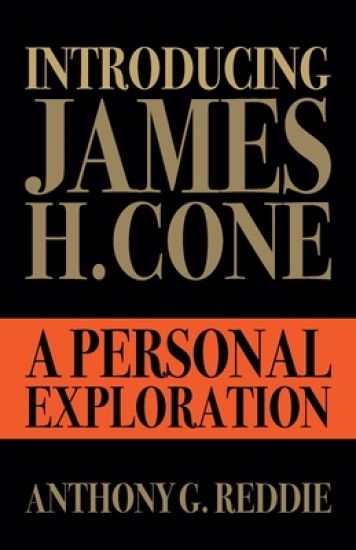
It is rarely the case that an intellectual movement can point to an individual figure as its founder. Yet James Cone has been heralded as the acknowledged genius and the creator of black theology. In nearly 50 years of published work, James Cone redefined the intent of academic theology and defined a whole new movement in intellectual thought. In Introducing James H. Cone Anthony Reddie offers us an accessible and engaging assessment of Cone’s legacy, from his first book Black Theology and Black Power in 1969 through to his final intellectual autobiography I Said I wasn’t Gonna Tell Nobody in 2018. It is an indispensable field guide to perhaps the greatest black theologian of recent times.
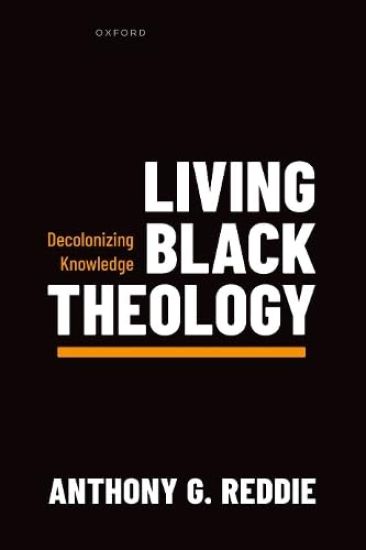
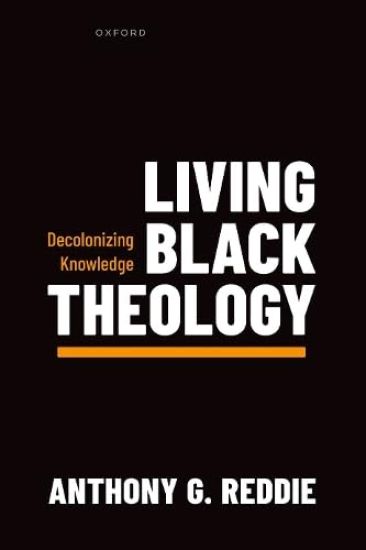
Living Black Theology provides a challenging and radical critique of the present world order. It argues that the world as we experience it presently has its roots in the era of slavery and European colonialism, especially the British empire, the largest example of imperialism in human history. Written by the first Professor of Black Theology in the history of the University of Oxford, Living Black Theology offers a bold reassessment of how we can rethink the past that will challenge our contemporary ways of living. Ultimately, this text seeks to help us reimage and remake the future, one that is more equitable and just for all peoples. This is a landmark book.
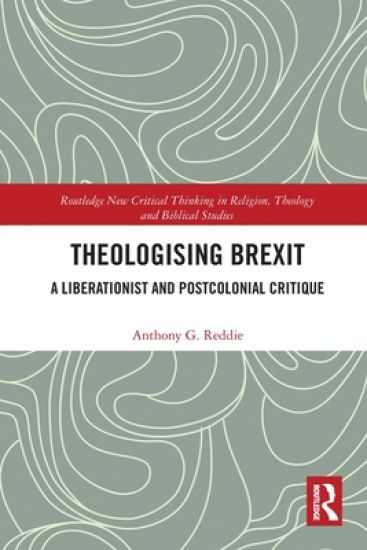
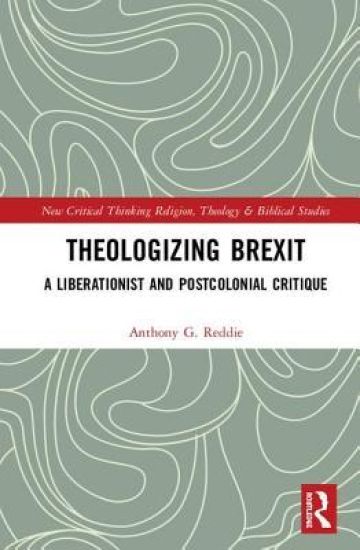
This book offers a comprehensive analysis of the theological challenge presented by the new post-Brexit epoch. The referendum vote for Britain to leave the European Union has led to a seismic shift in the ways in which parts of the British population view and judge their compatriots. The subsequent rise in the reported number of racially motivated incidents and the climate of vilification and negativity directed at anyone not viewed as ‘authentically’ British should be a matter of concern for all people. The book is comprised of a series of essays that address varying aspects of what it means to be British and the ways in which churches in Britain and the Christian faith could and should respond to a rising tide of White English nationalism. It is a provocative challenge to the all too often tolerated xenophobia, as well as the paucity of response from many church leaders in the UK. This critique is offered via the means of a prophetic, postcolonial model of Black theology that challenges the incipient sense of White entitlement and parochial ‘nativism’ that pervaded much of the referendum debate. The essays in this book challenge the church and wider society to ensure justice and equity for all, not just a privileged sense of entitlement for some. It will be of keen interest to any scholar of Black, political and liberation theology as well as those involved in cultural studies from a postcolonial perspective.
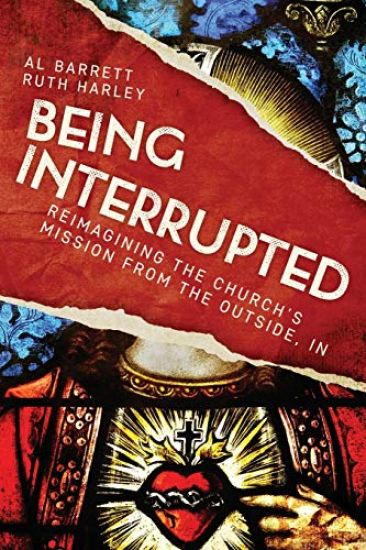
Being Interrupted
Al Barrett; Ruth Harley; Rachel Mann; Anthony G Reddie; Lynne Cullens
SCM Press
2020
nidottu
Beginning with a ‘Street Nativity Play’ that didn’t end as planned, and finishing with an open-ended conversation in the midst of the COVID-19 pandemic, "Being Interrupted" locates an institutionally-anxious Church of England within the wider contexts of divisions of race and class in ‘the ruins of empire’, alongside ongoing gender inequalities, the marginalization of children, and catastrophic ecological breakdown. In the midst of this bleak picture, Al Barrett and Ruth Harley open a door to a creative disruption of the status quo, ‘from the outside, in’: the in-breaking of the wild reality of the ‘Kin-dom’ of God. Through careful and unsettling readings in Mark’s gospel, alongside stories from a multicultural outer estate in east Birmingham, they paint a vivid picture of an 'alternative economy' for the Church's life and mission, which begins with transformative encounters with neighbours and strangers at the edges of our churches, our neighbourhoods and our imaginations, and offers new possibilities for repentance and resurrection.
‘An incredible resource, earthed in academic rigour but packed to the gills with useful exercises that have been honed by reality and experience.’ Black Theology Commended as essential reading by reviewers, this insightful guide shows how Black theology makes a difference to Christian thought and practice. Full of Bible studies and practical exercises, here is a stimulating resource that encourages a new awareness of ourselves and others. This timely new edition includes a new afterword on the Black Lives Matter movement, and the difference it is making in the struggle for a society where we are all equally accepted and respected as God's children. ‘Forges the wisdom of Black theology into a powerful tool for change – not just to the way we think but to how we live.’ Elaine Graham, Research Professor of Practical Theology, University of Chester ‘Theological institutions, ordinary people, preachers, worship leaders and house group facilitators should wrestle with this little volume.’ Methodist Recorder
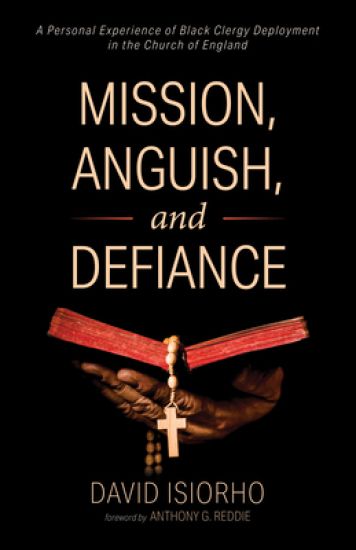
Mission, Anguish, and Defiance documents how David Isiorho has explored his ministry as a black priest in the Church of England using his formidable intellect, which reveals the ingrained prejudices and lack of genuine love from the structures of that august institution. He draws on his PhD as a platform to conduct this examination, not seeking pity but writing prophetically from a deep loyalty to the Church. He has meticulously interviewed a wide range of research participants, giving them a voice to join with his own. He uncovers evidence of vast, painful, and redundant suffering in this group of black colleagues. This book is about hurt and it may be perceived as hurtful, certainly by those who are called to account. Isiorho's bravery comes through clearly, as does his hopeful fidelity to the God and the Church that he loves. Throughout he does not seek to be vindictive; rather, he searches to show the salvific and redeeming love of Christ which, together with the energizing Holy Spirit, can see real reform and profound healing. That is his prayer in this moving and challenging piece.
This book offers a comprehensive analysis of the theological challenge presented by the new post-Brexit epoch. The referendum vote for Britain to leave the European Union has led to a seismic shift in the ways in which parts of the British population view and judge their compatriots. The subsequent rise in the reported number of racially motivated incidents and the climate of vilification and negativity directed at anyone not viewed as ‘authentically’ British should be a matter of concern for all people. The book is comprised of a series of essays that address varying aspects of what it means to be British and the ways in which churches in Britain and the Christian faith could and should respond to a rising tide of White English nationalism. It is a provocative challenge to the all too often tolerated xenophobia, as well as the paucity of response from many church leaders in the UK. This critique is offered via the means of a prophetic, postcolonial model of Black theology that challenges the incipient sense of White entitlement and parochial ‘nativism’ that pervaded much of the referendum debate. The essays in this book challenge the church and wider society to ensure justice and equity for all, not just a privileged sense of entitlement for some. It will be of keen interest to any scholar of Black, political and liberation theology as well as those involved in cultural studies from a postcolonial perspective.
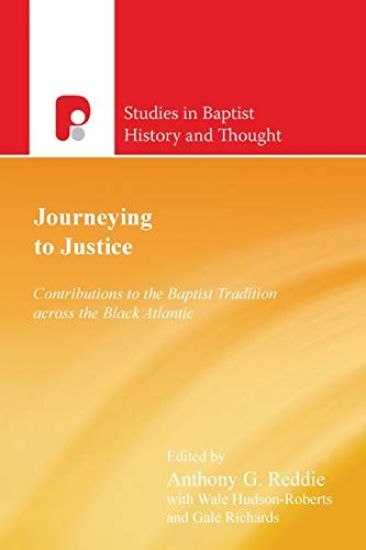
Journeying to Justice provides the very first comprehensive appraisal of the tumultuous journey towards equity and reconciliation amongst British and Jamaican Baptists across two centuries of Christian missionary work, in which slavery, colonialism and racism has loomed large. This ground-breaking text brings together scholars and practitioners, lay and ordained, peoples from a variety of culturally and ethnically diverse backgrounds, all speaking to the enduring truth of the gospel of Christ as a means of effecting social, political and spiritual transformation. Journeying to Justice reminds us that the way of Christ is that of the cross and that grace is always costly and being a disciple demands commitment to God and to others with whom we walk this journey of faith. At a time when the resurgence of nationalism is threatening to polarise many nations this text reminds us that in Christ there is solidarity amongst all peoples.
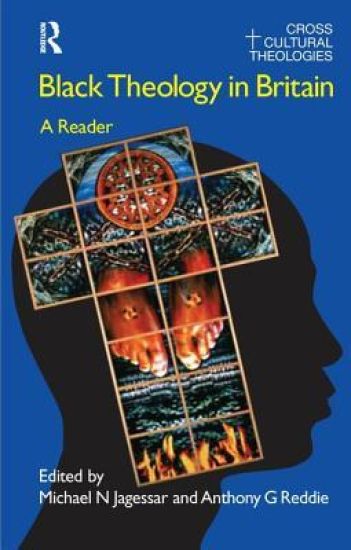
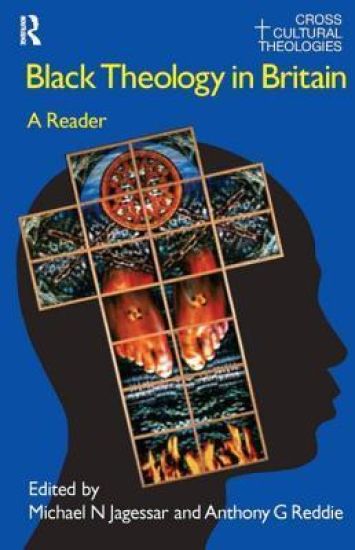
Black theology as a discipline emerged in 1960s America, growing out of the experiences of Black people of the African Diaspora as they sought to re-interpret the central ideas of Christianity in light of struggle and oppression. However, a form of Black theology has been present in Britain since the time of slavery. 'Black Theology in Britain' offers the first comprehensive survey of Black theology, tracing its development in Britain from the eighteenth century to today. The essays cover a wide range of topics: Black Liberation; drama as a medium for Black theology; the perspective of Black women; Black theology in the pulpit and pastoral care; and the work of Robert Beckford and Anthony Reddie. 'Black Theology in Britain' is a key resource for students of British history, cultural studies, Black theology, and religious studies.
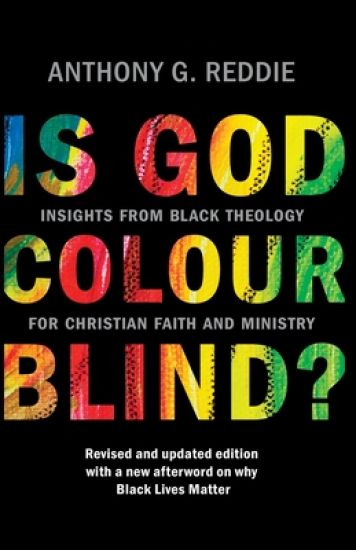
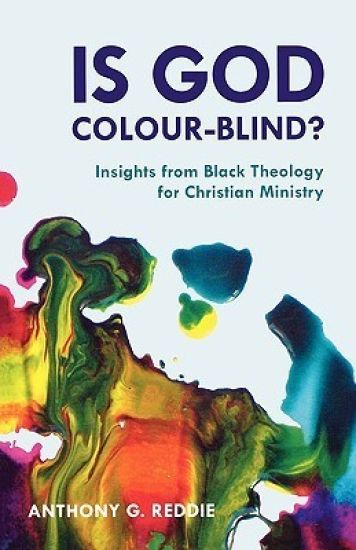
Is God Colour-Blind? applies the lessons of black theology in a pastoral context and draws on the author's extensive experience of working with churches on issues surrounding racial justice and Christian ministry. Anthony Reddie offers a series of short stories, followed by theological reflection and analysis, which suggest new ways of understanding 'self' and 'other' in terms of Christian practice. The book provides food for thought and practical resources for those who are striving for a society where we are all equally accepted as God's children, no matter what our ethnic origin or skin colour. 'Anthony Reddie has made a place for himself and his work at the centre of British theological life. A theologian of many talents, he has used them all in his quest to rework Black theology in order to create new practices that promote inclusion, justice and equality both inside and outside of the Christian Church.' Robert Beckford, academic and broadcaster
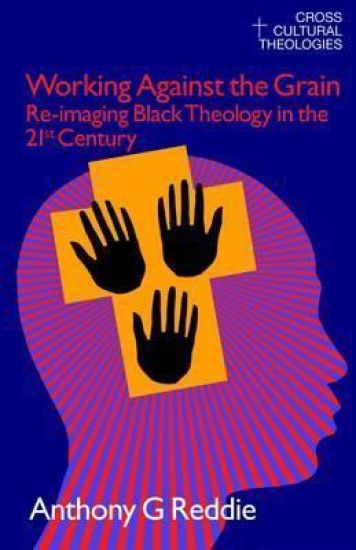
Christianity has been both the cause of oppression among Black communities and a source of liberation. Black Christianity has sought solace in the redemptive figure of Christ in its struggle for human dignity and freedom. 'Working Against the Grain' addresses the displacement of Black theology in Diasporan African churches by charismatic and conservative neo-Pentecostalism. The essays present a radical Black theology that empowers disenfranchised Black people whilst challenging White power to see and act differently. 'Working Against the Grain' is an essential text for all those interested in the pursuit of racial justice and other forms of anti-oppressive practice, both inside the church and beyond it.
Black Theology in Britain
Michael N. Jagessar; Anthony G. Reddie
Equinox Publishing Ltd
2007
nidottu
Black theology as a discipline emerged in 1960s America, growing out of the experiences of Black people of the African Diaspora as they sought to re-interpret the central ideas of Christianity in light of struggle and oppression. However, a form of Black theology has been present in Britain since the time of slavery. 'Black Theology in Britain' offers the first comprehensive survey of Black theology, tracing its development in Britain from the eighteenth century to today. The essays cover a wide range of topics: Black Liberation; drama as a medium for Black theology; the perspective of Black women; Black theology in the pulpit and pastoral care; and the work of Robert Beckford and Anthony Reddie. 'Black Theology in Britain' is a key resource for students of British history, cultural studies, Black theology, and religious studies.
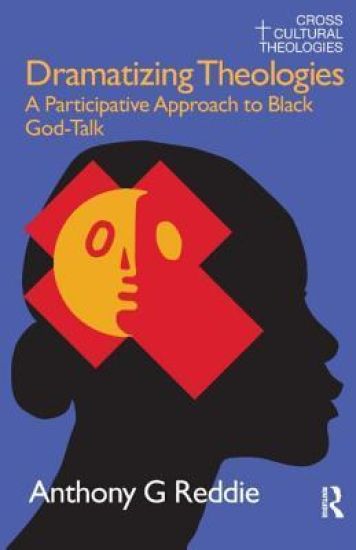
Black theology has flourished within the academy. Its theories, however, have not always translated into practical use for Black people. 'Dramatizing Theologies' outlines the strong practical dimension of Black theology. Combining Black theology with dramatic, dialogical sketch material, the book produces an accessible approach to Black theological dialogue. The chasm between the academy, church and grassroots communities is overcome through the use of drama. 'Dramatizing Theologies' offers a unique methodology for Black theological conversation with the poor, marginalized and disenfranchised.