Kirjojen hintavertailu – 12 859 818 kirjaa ja 27 kauppaa
Kirjailija
Anthony McFarlane
Kirjat ja teokset yhdessä paikassa: 8 kirjaa, julkaisuja vuosilta 1993–2025, suosituimpiin kuuluu A History of the Americas. Vertaile teosten hintoja ja tarkista saatavuus suomalaisista kirjakaupoista.
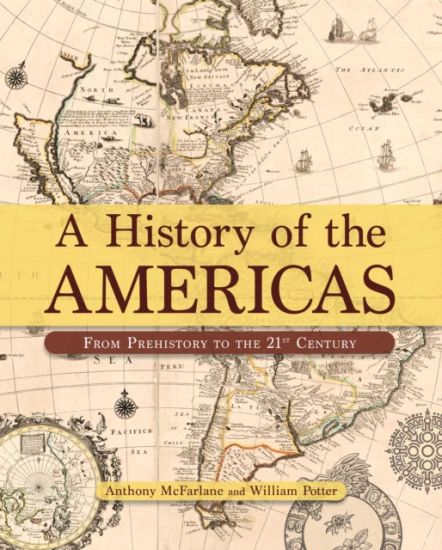
This extraordinary hardback reference guide weaves together common threads of history of the Americas, from the end of the ice ages until the present day, richly illustrated in full-color throughout. This sweeping survey of the Americas follows the epic story of the region, starting more than 15,000 years ago, when the first person stepped onto the American continent, through to the modern day. It is a sprawling tale of cultural transformations, influential characters, and evolving political landscapes into motion. Documenting the people, events, and beliefs that define the continent's complex history, it shows how this crucial region has become what it is today. In this fascinating book, you will undertake a journey exploring the ancient empires of the Olmecs, the Aztecs, and the Inka; the revolutions that overturned European superpowers; two world wars; the fraught politics of the Cold War; and finally, the Covid-19 pandemic and the rise of a new type of politics in the 21st century. Offering a fresh take on the continent's interconnected history, A History of the Americas illuminates the intricate tapestry of American history and explores where the continent might be headed. Written by export authors and beautifully illustrated with more than 200 color photographs, detailed timelines and fascinating maps, A History of the Americas brings the sprawling history of the two continents to life.
Of northern European nations, the British had the greatest impact on the Americas. Their history there embraces far more than the colonies that became the United States: England had been in the New World for a century before those colonies were established, and the British presence long outlived their loss. This integrated account of that involvement spans the entire arc of British territories from the Caribbean to Canada, and the entire period from the first appearance of the English to the disintegration of the British and other Euro-American empires. A fascinating story, engrossingly told, it fills a major gap in current historiography.
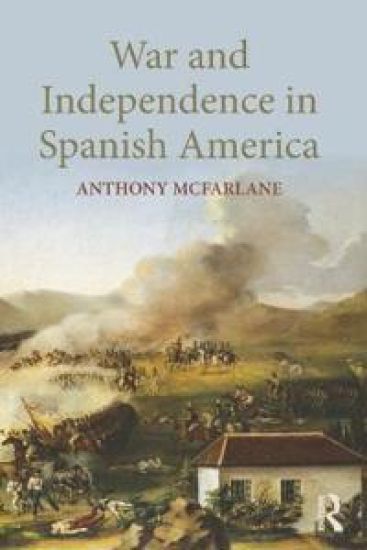
During the period from 1808 to 1826, the Spanish empire was convulsed by wars throughout its dominions in Iberia and the Americas. The conflicts began in Spain, where Napoleon’s invasion triggered a war of national resistance. The collapse of the Spanish monarchy provoked challenges to the colonial regime in virtually all of Spain's American provinces, and colonial demands for autonomy and independence led to political turbulence and violent confrontation on a transcontinental scale. During the two decades after 1808, Spanish America witnessed warfare on a scale not seen since the conquests three centuries earlier. War and Independence in Spanish America provides a unified account of war in Spanish America during the period after the collapse of the Spanish government in 1808. McFarlane traces the courses and consequences of war, combining a broad narrative of the development and distribution of armed conflict with analysis of its characteristics and patterns. He maps the main arenas of war, traces the major campaigns by and crucial battles between rebels and royalists, and places the military conflicts in the context of international political change. Readers will come away with a fully realized understanding of how war and military mobilization affected Spanish American societies and shaped the emerging independent states.
During the period from 1808 to 1826, the Spanish empire was convulsed by wars throughout its dominions in Iberia and the Americas. The conflicts began in Spain, where Napoleon’s invasion triggered a war of national resistance. The collapse of the Spanish monarchy provoked challenges to the colonial regime in virtually all of Spain's American provinces, and colonial demands for autonomy and independence led to political turbulence and violent confrontation on a transcontinental scale. During the two decades after 1808, Spanish America witnessed warfare on a scale not seen since the conquests three centuries earlier. War and Independence in Spanish America provides a unified account of war in Spanish America during the period after the collapse of the Spanish government in 1808. McFarlane traces the courses and consequences of war, combining a broad narrative of the development and distribution of armed conflict with analysis of its characteristics and patterns. He maps the main arenas of war, traces the major campaigns by and crucial battles between rebels and royalists, and places the military conflicts in the context of international political change. Readers will come away with a fully realized understanding of how war and military mobilization affected Spanish American societies and shaped the emerging independent states.
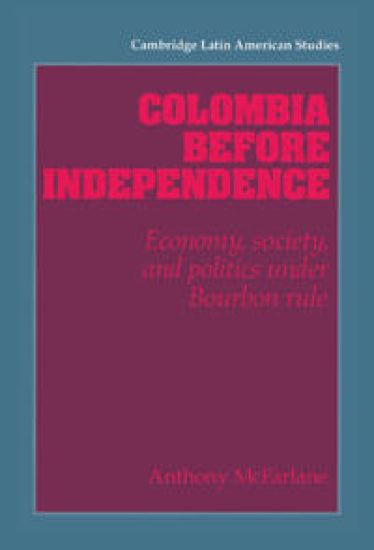
This book describes and analyses economic and political developments in Colombia during the final century of Spanish rule. Its purpose is threefold: first, to provide a general portrait of Colombian society during the late colonial period, showing the character of economic, social, and political life in the territory’s principal regions; second, to assess the impact on the region of European imperialist expansion during the eighteenth century; and third, to provide a context for understanding the causes of independence. The book offers the only available survey of Colombian history and historiography for this period.
Of northern European nations, the British had the greatest impact on the Americas. Their history there embraces far more than the colonies that became the United States: England had been in the New World for a century before those colonies were established, and the British presence long outlived their loss. This integrated account of that involvement spans the entire arc of British territories from the Caribbean to Canada, and the entire period from the first appearance of the English to the disintegration of the British and other Euro-American empires. A fascinating story, engrossingly told, it fills a major gap in current historiography.
This book describes and analyses economic and political developments in Colombia during the final century of Spanish rule. Its purpose is threefold: first, to provide a general portrait of Colombian society during the late colonial period, showing the character of economic, social, and political life in the territory's principal regions; second, to assess the impact on the region of European imperialist expansion during the eighteenth century; and third, to provide a context for understanding the causes of independence. The book offers the only available survey of Colombian history and historiography for this period.