Kirjojen hintavertailu – 12 903 724 kirjaa ja 27 kauppaa

Kirjailija

Anthony Reed

Kirjat ja teokset yhdessä paikassa: 6 kirjaa, julkaisuja vuosilta 2015–2024, suosituimpiin kuuluu Soundworks. Vertaile teosten hintoja ja tarkista saatavuus suomalaisista kirjakaupoista.

6 kirjaa

Kirjojen julkaisuvuodet: 2015–2024.

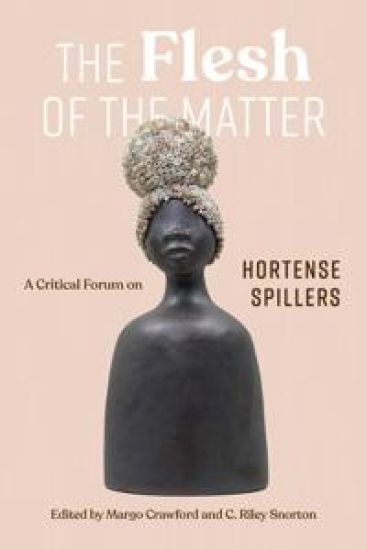
The Flesh of the Matter

The Flesh of the Matter

Amaris Brown; Thadious M. Davis; Alexis Pauline Gumbs; Sharon P. Holland; Ra Malika Imhotep; Deborah McDowell; Fred Moten; Kiana T. Murphy; Kevin Quashie; Anthony Reed; Shoniqua Roach; Nicole Adeyinka Spigner

VANDERBILT UNIVERSITY PRESS
2024
nidottu
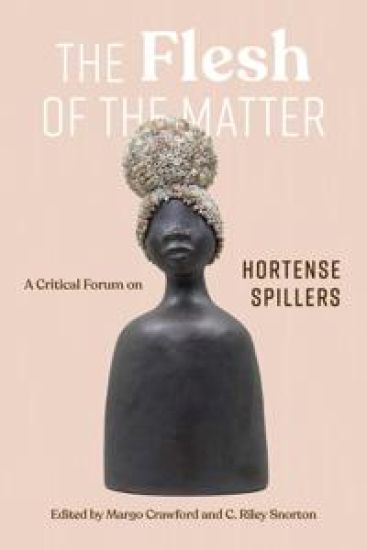
Hortense Spillers is one of the most important literary critics and Black feminist scholars of the last fifty years. Her 1987 scholarly article “Mama’s Baby, Papa’s Maybe: An American Grammar Book” is one of the most-cited essays in African American literary studies. Edited by Margo Natalie Crawford and C. Riley Snorton, The Flesh of the Matter: A Critical Forum on Hortense Spillers is the first collection to take up directly how Spillers’s writing on literature, culture, and theory have been signal posts to the varied and universal threads of Black thought, as well as countless other areas of the academy. Interspersed with archival fragments from Spillers’s papers kept at the Pembroke Center for Feminist Thought at Brown University, the fourteen essays in this collection demonstrate a fidelity to the ways of reading Spillers has taught us, the nomenclature of enslavement keyed into the American lexicon, and the ways that history permeates our cultural boundaries today.
The Flesh of the Matter

The Flesh of the Matter

Amaris Brown; Thadious M. Davis; Alexis Pauline Gumbs; Sharon P. Holland; Ra Malika Imhotep; Deborah McDowell; Fred Moten; Kiana T. Murphy; Kevin Quashie; Anthony Reed; Shoniqua Roach; Nicole Adeyinka Spigner

VANDERBILT UNIVERSITY PRESS
2024
sidottu
Hortense Spillers is one of the most important literary critics and Black feminist scholars of the last fifty years. Her 1987 scholarly article “Mama’s Baby, Papa’s Maybe: An American Grammar Book” is one of the most-cited essays in African American literary studies. Edited by Margo Natalie Crawford and C. Riley Snorton, The Flesh of the Matter: A Critical Forum on Hortense Spillers is the first collection to take up directly how Spillers’s writing on literature, culture, and theory have been signal posts to the varied and universal threads of Black thought, as well as countless other areas of the academy. Interspersed with archival fragments from Spillers’s papers kept at the Pembroke Center for Feminist Thought at Brown University, the fourteen essays in this collection demonstrate a fidelity to the ways of reading Spillers has taught us, the nomenclature of enslavement keyed into the American lexicon, and the ways that history permeates our cultural boundaries today.
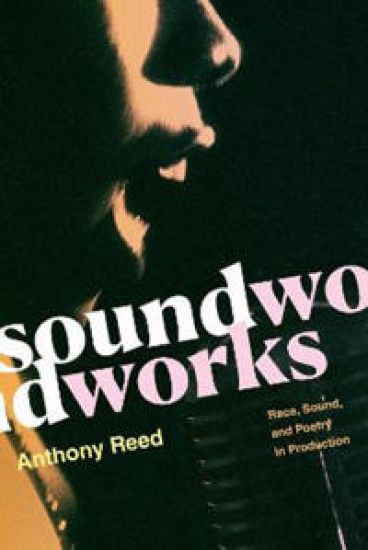
Soundworks

Soundworks

Anthony Reed

Duke University Press
2021
pokkari
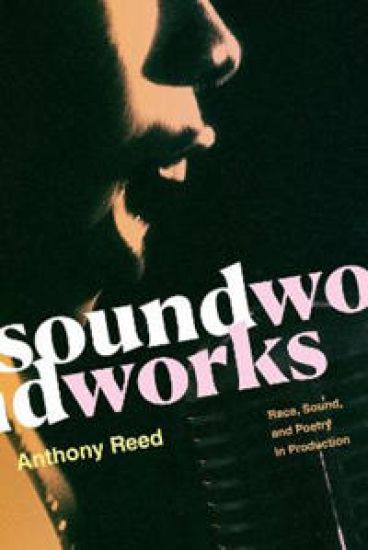
In Soundworks Anthony Reed argues that studying sound requires conceiving it as process and as work. Since the long Black Arts era (ca. 1958–1974), intellectuals, poets, and musicians have defined black sound as radical aesthetic practice. Through their recorded collaborations as well as the accompanying interviews, essays, liner notes, and other media, they continually reinvent black sound conceptually and materially. Soundwork is Reed’s term for that material and conceptual labor of experimental sound practice framed by the institutions of the culture industry and shifting historical contexts. Through analyses of Langston Hughes’s collaboration with Charles Mingus, Amiri Baraka’s work with the New York Art Quartet, Jayne Cortez’s albums with the Firespitters, and the multimedia projects of Archie Shepp, Matana Roberts, Cecil Taylor, and Jeanne Lee, Reed shows that to grasp black sound as a radical philosophical and aesthetic insurgence requires attending to it as the product of material, technical, sensual, and ideological processes.
Soundworks

Soundworks

Anthony Reed

Duke University Press
2021
sidottu
In Soundworks Anthony Reed argues that studying sound requires conceiving it as process and as work. Since the long Black Arts era (ca. 1958–1974), intellectuals, poets, and musicians have defined black sound as radical aesthetic practice. Through their recorded collaborations as well as the accompanying interviews, essays, liner notes, and other media, they continually reinvent black sound conceptually and materially. Soundwork is Reed’s term for that material and conceptual labor of experimental sound practice framed by the institutions of the culture industry and shifting historical contexts. Through analyses of Langston Hughes’s collaboration with Charles Mingus, Amiri Baraka’s work with the New York Art Quartet, Jayne Cortez’s albums with the Firespitters, and the multimedia projects of Archie Shepp, Matana Roberts, Cecil Taylor, and Jeanne Lee, Reed shows that to grasp black sound as a radical philosophical and aesthetic insurgence requires attending to it as the product of material, technical, sensual, and ideological processes.
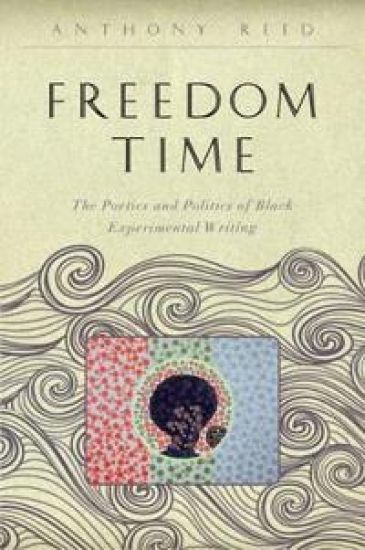
Freedom Time

Freedom Time

Anthony Reed

Johns Hopkins University Press
2016
pokkari
Standard literary criticism tends to either ignore or downplay the unorthodox tradition of black experimental writing that emerged in the wake of protests against colonization and Jim Crow-era segregation. Histories of African American literature likewise have a hard time accounting for the distinctiveness of experimental writing, which is part of a general shift in emphasis among black writers away from appeals for social recognition or raising consciousness. In Freedom Time, Anthony Reed offers a theoretical reading of "black experimental writing" that presents the term both as a profound literary development and as a concept for analyzing how writing challenges us to rethink the relationships between race and literary techniques. Through extended analyses of works by African American and Afro-Caribbean writers-including N. H. Pritchard, Suzan-Lori Parks, NourbeSe Philip, Kamau Brathwaite, Claudia Rankine, Douglas Kearney, Harryette Mullen, and Nathaniel Mackey-Reed develops a new sense of the literary politics of formally innovative writing and the connections between literature and politics since the 1960s. Freedom Time reclaims the power of experimental black voices by arguing that readers and critics must see them as more than a mere reflection of the politics of social protest and identity formation. With an approach informed by literary, cultural, African American, and feminist studies, Reed shows how reworking literary materials and conventions liberates writers to push the limits of representation and expression.
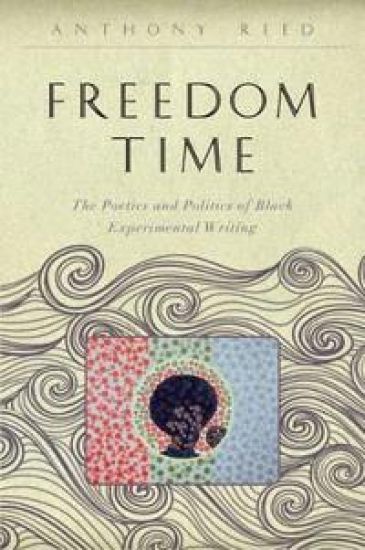
Freedom Time

Freedom Time

Anthony Reed

Johns Hopkins University Press
2015
sidottu
Standard literary criticism tends to either ignore or downplay the unorthodox tradition of black experimental writing that emerged in the wake of protests against colonization and Jim Crow-era segregation. Histories of African American literature likewise have a hard time accounting for the distinctiveness of experimental writing, which is part of a general shift in emphasis among black writers away from appeals for social recognition or raising consciousness. In Freedom Time, Anthony Reed offers a theoretical reading of "black experimental writing" that presents the term both as a profound literary development and as a concept for analyzing how writing challenges us to rethink the relationships between race and literary techniques. Through extended analyses of works by African American and Afro-Caribbean writers-including N. H. Pritchard, Suzan-Lori Parks, NourbeSe Philip, Kamau Brathwaite, Claudia Rankine, Douglas Kearney, Harryette Mullen, and Nathaniel Mackey-Reed develops a new sense of the literary politics of formally innovative writing and the connections between literature and politics since the 1960s. Freedom Time reclaims the power of experimental black voices by arguing that readers and critics must see them as more than a mere reflection of the politics of social protest and identity formation. With an approach informed by literary, cultural, African American, and feminist studies, Reed shows how reworking literary materials and conventions liberates writers to push the limits of representation and expression.