Kirjojen hintavertailu – 12 859 827 kirjaa ja 27 kauppaa
Kirjailija
Anthony Trollope
Kirjat ja teokset yhdessä paikassa: 2 344 kirjaa, julkaisuja vuosilta 1974–2026, suosituimpiin kuuluu Autobiography Of Anthony Trollope. Vertaile teosten hintoja ja tarkista saatavuus suomalaisista kirjakaupoista.
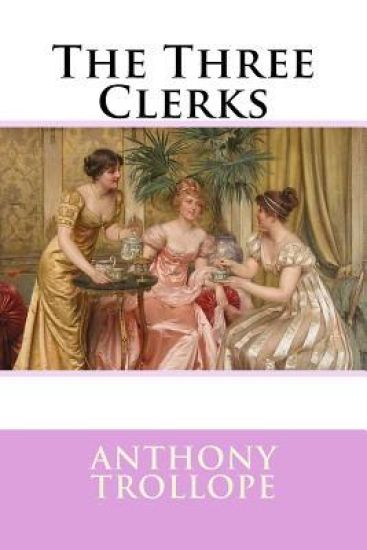
The Three Clerks (1857) is a novel by Anthony Trollope, set in the lower reaches of the Civil Service. It draws on Trollope's own experiences as a junior clerk in the General Post Office, and has been called the most autobiographical of Trollope's novels. In 1883 Trollope gave it as his opinion that The Three Clerks was a better novel than any of his earlier ones, which included The Warden and Barchester Towers.
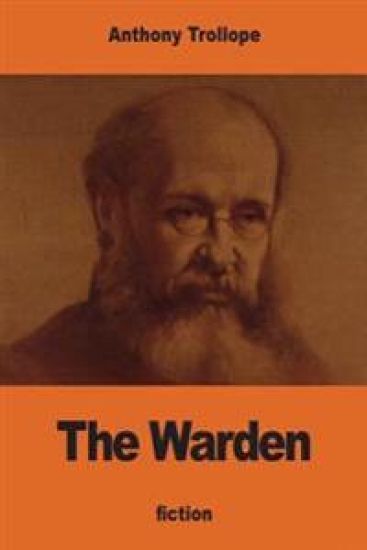
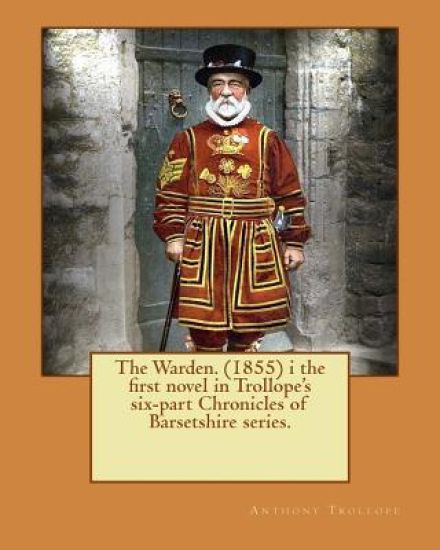
The Warden, published in 1855, is the first book in Anthony Trollope's Chronicles of Barsetshire series of six novels. It was his fourth novel. This first novel in Trollope's classic Chronicles of Barsetshire series pits reformer John Bold against Septimus Harding, the precentor of Barchester Cathedral and the warden of Hiram's Hospital, an almshouse supported by a bequest to the local diocese. As Bold works to expose the fact that more of the charity's income goes to Harding than to its bedesmen, he begins to take a romantic interest in Harding's youngest daughter, Eleanor.
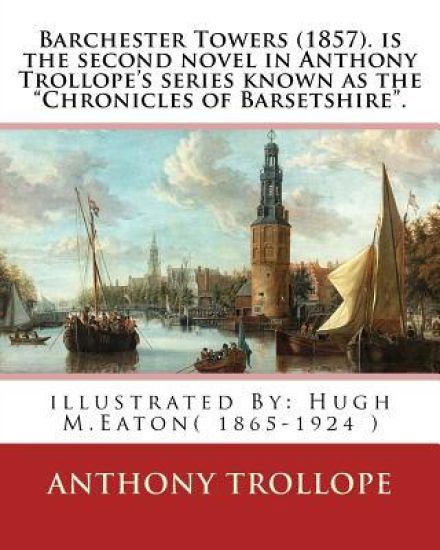
Barchester Towers, published in 1857, is the second novel in Anthony Trollope's series known as the "Chronicles of Barsetshire". Among other things it satirises the then raging antipathy in the Church of England between High Church and Evangelical adherents. Trollope began writing this book in 1855. He wrote constantly, and made himself a writing-desk so he could continue writing while travelling by train. "Pray know that when a man begins writing a book he never gives over," he wrote in a letter during this period. "The evil with which he is beset is as inveterate as drinking - as exciting as gambling." And, years later in his autobiography, he observed "In the writing of Barchester Towers I took great delight. The bishop and Mrs. Proudie were very real to me, as were also the troubles of the archdeacon and the loves of Mr. Slope." But when he submitted his finished work, his publisher, William Longman, initially turned it down, finding much of it to be full of "vulgarity and exaggeration". More recent critics offer a more sanguine opinion. "Barchester Towers is many readers' favourite Trollope", wrote The Guardian, which included it in its list of "1000 novels everyone must read". Barchester Towers concerns the leading clergy of the cathedral city of Barchester. The much loved bishop having died, all expectations are that his son, Archdeacon Grantly, will succeed him. Instead, owing to the passage of the power of patronage to a new Prime Minister, a newcomer, the far more Evangelical Bishop Proudie, gains the see. His wife, Mrs Proudie, exercises an undue influence over the new bishop, making herself as well as the bishop unpopular with most of the clergy of the diocese. Her interference to veto the reappointment of the universally popular Mr Septimus Harding (protagonist of Trollope's earlier novel, The Warden) as warden of Hiram's Hospital is not well received, even though she gives the position to a needy clergyman, Mr Quiverful, with 14 children to support. Even less popular than Mrs Proudie is the bishop's newly appointed chaplain, the hypocritical and sycophantic Mr Obadiah Slope, who decides it would be expedient to marry Harding's wealthy widowed daughter, Eleanor Bold, and hopes to win her favour by interfering in the controversy over the wardenship. The Bishop, or rather Mr Slope under the orders of Mrs Proudie, also orders the return of the prebendary Dr Vesey Stanhope from Italy. Dr Stanhope has been there, recovering from a sore throat, for 12 years and has spent his time catching butterflies. With him to the Cathedral Close come his wife and his three adult children. The younger of Dr Stanhope's two daughters causes consternation in the Palace and threatens the plans of Mr Slope: Signora Madeline Vesey Neroni is a crippled serial flirt with a young daughter and a mysterious Italian husband whom she has left. Mrs Proudie is appalled by her and considers her an unsafe influence on her daughters, her servants and Mr Slope. Mr Slope is drawn like a moth to a flame and cannot keep away. Dr Stanhope's son Bertie is skilled at spending money but not at making it: his two sisters think marriage to rich Eleanor Bold will provide financial security for him..... Anthony Trollope ( 24 April 1815 - 6 December 1882) was an English novelist of the Victorian era. Among his best-known works is a series of novels collectively known as the Chronicles of Barsetshire, which revolves around the imaginary county of Barsetshire. He also wrote novels on political, social, and gender issues, and other topical matters.... Eaton, Hugh M. 1865-1924
Barchester Towers, published in 1857, is the second novel in Anthony Trollope's series known as the "Chronicles of Barsetshire". Among other things it satirises the then raging antipathy in the Church of England between High Church and Evangelical adherents. Trollope began writing this book in 1855. He wrote constantly, and made himself a writing-desk so he could continue writing while travelling by train. "Pray know that when a man begins writing a book he never gives over," he wrote in a letter during this period The Warden, published in 1855, is the first book in Anthony Trollope's Chronicles of Barsetshire series of six novels. It was his fourth novel. The Warden concerns Mr Septimus Harding, the meek, elderly warden of Hiram's Hospital and precentor of Barchester Cathedral, in the fictional county of Barsetshire. Hiram's Hospital is an almshouse supported by a medieval charitable bequest to the Diocese of Barchester. The income maintains the almshouse itself, supports its twelve bedesmen, and, in addition, provides a comfortable abode and living for its warden
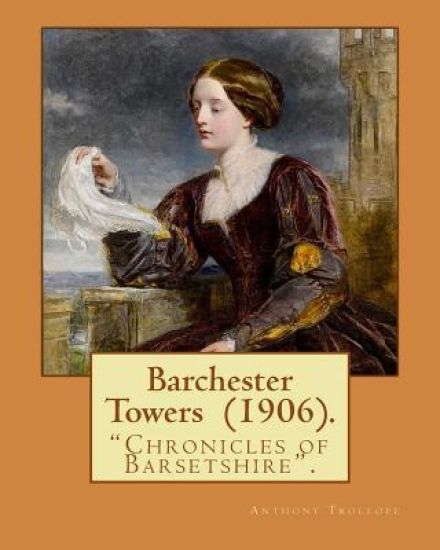
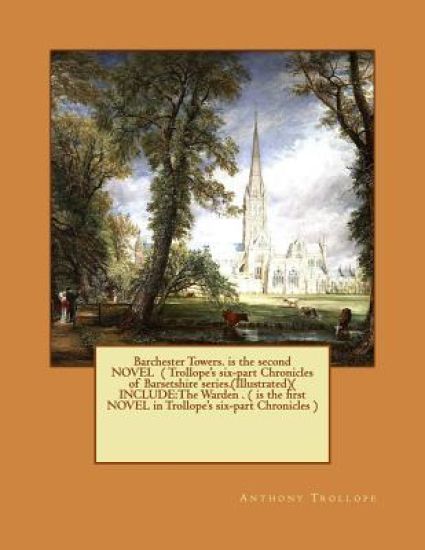
Barchester Towers, published in 1857, is the second novel in Anthony Trollope's series known as the "Chronicles of Barsetshire". Among other things it satirises the then raging antipathy in the Church of England between High Church and Evangelical adherents. Trollope began writing this book in 1855. He wrote constantly, and made himself a writing-desk so he could continue writing while travelling by train. "Pray know that when a man begins writing a book he never gives over," he wrote in a letter during this period. "The evil with which he is beset is as inveterate as drinking - as exciting as gambling." And, years later in his autobiography, he observed "In the writing of Barchester Towers I took great delight. The bishop and Mrs. Proudie were very real to me, as were also the troubles of the archdeacon and the loves of Mr. Slope." But when he submitted his finished work, his publisher, William Longman, initially turned it down, finding much of it to be full of "vulgarity and exaggeration". More recent critics offer a more sanguine opinion. "Barchester Towers is many readers' favourite Trollope", wrote The Guardian, which included it in its list of "1000 novels everyone must read". Barchester Towers concerns the leading clergy of the cathedral city of Barchester. The much loved bishop having died, all expectations are that his son, Archdeacon Grantly, will succeed him. Instead, owing to the passage of the power of patronage to a new Prime Minister, a newcomer, the far more Evangelical Bishop Proudie, gains the see. His wife, Mrs Proudie, exercises an undue influence over the new bishop, making herself as well as the bishop unpopular with most of the clergy of the diocese. Her interference to veto the reappointment of the universally popular Mr Septimus Harding (protagonist of Trollope's earlier novel, The Warden) as warden of Hiram's Hospital is not well received, even though she gives the position to a needy clergyman, Mr Quiverful, with 14 children to support. Even less popular than Mrs Proudie is the bishop's newly appointed chaplain, the hypocritical and sycophantic Mr Obadiah Slope, who decides it would be expedient to marry Harding's wealthy widowed daughter, Eleanor Bold, and hopes to win her favour by interfering in the controversy over the wardenship. The Bishop, or rather Mr Slope under the orders of Mrs Proudie, also orders the return of the prebendary Dr Vesey Stanhope from Italy. Dr Stanhope has been there, recovering from a sore throat, for 12 years and has spent his time catching butterflies. With him to the Cathedral Close come his wife and his three adult children. The younger of Dr Stanhope's two daughters causes consternation in the Palace and threatens the plans of Mr Slope: Signora Madeline Vesey Neroni is a crippled serial flirt with a young daughter and a mysterious Italian husband whom she has left. Mrs Proudie is appalled by her and considers her an unsafe influence on her daughters, her servants and Mr Slope. Mr Slope is drawn like a moth to a flame and cannot keep away. Dr Stanhope's son Bertie is skilled at spending money but not at making it: his two sisters think marriage to rich Eleanor Bold will provide financial security for him. Anthony Trollope ( 24 April 1815 - 6 December 1882) was an English novelist of the Victorian era. Among his best-loved works is a series of novels collectively known as the Chronicles of Barsetshire, which revolves around the imaginary county of Barsetshire. He also wrote perceptive novels on political, social, and gender issues, and on other topical matters. Trollope's literary reputation dipped somewhat during the last years of his life, but he had regained the esteem of critics by the mid-20th century. Eaton, Hugh M. 1865-1924