Kirjailija
Antipas L Harris
Kirjat ja teokset yhdessä paikassa: 9 kirjaa, julkaisuja vuosilta 2010–2025, suosituimpiin kuuluu For Such a Time as This. Vertaile teosten hintoja ja tarkista saatavuus suomalaisista kirjakaupoista.
Nimi esiintyy myös muodoissa: Antipas L. Harris
9 kirjaa
Kirjojen julkaisuvuodet: 2010–2025.

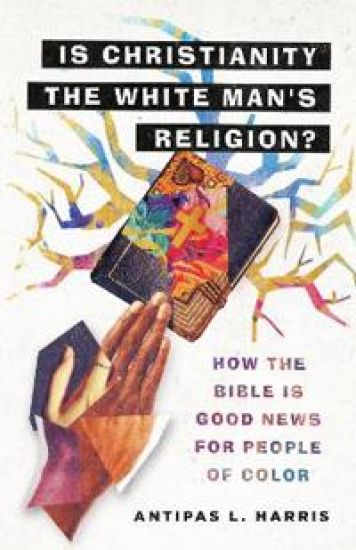
Among many young people of color, there is a growing wariness about organized religion and Christianity in particular. If Christianity is for everyone, why does the Bible seem to endorse slavery? Why do most popular images of Jesus feature a man with white skin and blue eyes? Is evangelical Christianity ''good news'' or a tool of white supremacy? As our society increases in ethnic and religious diversity, millennials and the next generation of emerging adults harbor suspicions about traditional Christianity. They're looking for a faith that makes sense for the world they see around them. They want to know how Christianity relates to race, ethnicity, and societal injustices. Many young adults have rejected the Christian faith based on what they've seen in churches, the media, and politics. For them, Christianity looks a lot like a ''white man's religion.'' Antipas L. Harris, a theologian and community activist, believes that biblical Christianity is more affirmative of cultural diversity than many realize. In this sweeping social, theological, and historical examination of Christianity, Harris responds to a list of hot topics from young Americans who struggle with the perception that Christianity is detached from matters of justice, identity, and culture. He also looks at the ways in which American evangelicalism may have incubated the race problem. Is Christianity the White Man's Religion? affirms that ethnic diversity has played a powerful role in the formation of the Old and New Testaments and that the Bible is a book of justice, promoting equality for all people. Contrary to popular Eurocentric conceptions, biblical Christianity is not just for white Westerners. It's good news for all of us.
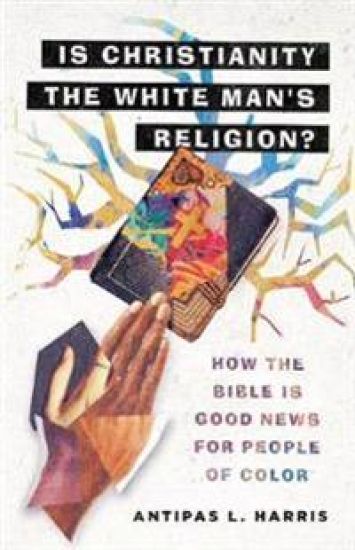
Is Christianity the White Man`s Religion? – How the Bible Is Good News for People of Color
Antipas L. Harris
Inter-Varsity Press,US
2020
sidottu
Among many young people of color, there is a growing wariness about organized religion and Christianity in particular. If Christianity is for everyone, why does the Bible seem to endorse slavery? Why do most popular images of Jesus feature a man with white skin and blue eyes? Is evangelical Christianity "good news" or a tool of white supremacy? As our society increases in ethnic and religious diversity, millennials and the next generation of emerging adults harbor suspicions about traditional Christianity. They're looking for a faith that makes sense for the world they see around them. They want to know how Christianity relates to race, ethnicity, and societal injustices. Many young adults have rejected the Christian faith based on what they've seen in churches, the media, and politics. For them, Christianity looks a lot like a "white man's religion." Antipas L. Harris, a theologian and community activist, believes that biblical Christianity is more affirmative of cultural diversity than many realize. In this sweeping social, theological, and historical examination of Christianity, Harris responds to a list of hot topics from young Americans who struggle with the perception that Christianity is detached from matters of justice, identity, and culture. He also looks at the ways in which American evangelicalism may have incubated the race problem. Is Christianity the White Man's Religion? affirms that ethnic diversity has played a powerful role in the formation of the Old and New Testaments and that the Bible is a book of justice, promoting equality for all people. Contrary to popular Eurocentric conceptions, biblical Christianity is not just for white Westerners. It's good news for all of us.
The Mighty Transformer: The Holy Spirit Advocates for Social Justice
Antipas L. Harris
Gield Academic Press
2019
nidottu
This volume of essays examines the Holy Spirit's power, work, and experience in light of social problems, including economic disparities, racism, xenophobia, poverty, conflict and wrongful convictions. The contributors are David Daniels, Cecil Robeck, Jr., Michal Meulenberg, Tommy Casarez, Dara Coleby Delgado, Rodolfo Estrada, Adeline Jean, Babatunde Adedibu, John Mark Robeck, and Daniel Morrison. Some chapters explain the historical impact of the Pentecostal and other Spirit-filled churches. Some of them shed constructive pneumatological insights on the work of the Spirit beyond charismatic worship to provoke social transformation. Yet, others employ social ethics to explore the work of the Holy Spirit in everyday life. Collectively, the select essays extrapolate the relevance of the Holy Spirit among believers in bridging society and the church. In this way, they contribute foundational insights on public faith in Spirit-filled churches' history and lived theology. Importantly, this book is a wake-up call for Christian conscientization, critical thinking, spiritual discernment, and prophetic imagination in a world plagued with spiritual delusion and social injustice. It is a call for the Church to actualize Herself in the world in faithfulness to Jesus Christ and by the power of the Holy Spirit -- the Mighty Transformer
The Holy Spirit and Social Justice Interdisciplinary Global Perspectives: History, Race & Culture
Antipas L. Harris
Seymour Press
2019
nidottu
A critical examination of historical, social and cultural issues that challenge the Christian community through the lens of major scholars within the contemporary renewal movement