Kirjojen hintavertailu – 12 859 818 kirjaa ja 27 kauppaa

Kirjailija

Antjie Krog

Kirjat ja teokset yhdessä paikassa: 10 kirjaa, julkaisuja vuosilta 1999–2026, suosituimpiin kuuluu Kärlek x 21 : afrikanska noveller. Vertaile teosten hintoja ja tarkista saatavuus suomalaisista kirjakaupoista.

10 kirjaa

Kirjojen julkaisuvuodet: 1999–2026.

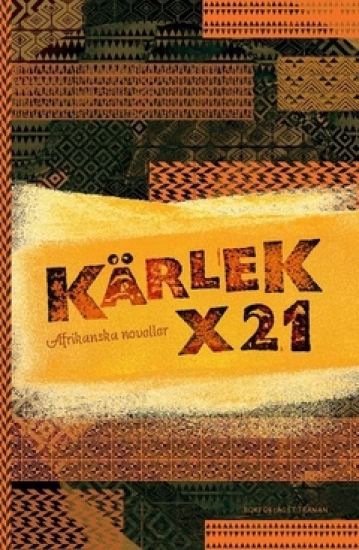
Kärlek x 21 : afrikanska noveller

Kärlek x 21 : afrikanska noveller

Molara Ogundipe; Tomi Adeaga; Véronique Tadjo; Wangui wa Goro; Rounke Coker; Anthonia C kalu Kalu; Doreen Baingana; Mildred Kikonco Barya; Yaba Badoe; Sefi Atta; Chimamanda Ngozi Adichie; Helen Oyeyemi; Antjie Krog; Nawal el Saadawi; Sindiwe Magona; Chika Uniqwe; Sarah Ladipo Manyika; Elieshi Lema; Monica Arac de Nyeko; Promise Ogochukwu; Leila Aboulela; Ama Ata Aidoo

Bokförlaget Tranan
2020
nidottu
Afrikanska kärleksberättelser – finns de? Ama Ata Aidoo skriver i sitt förord om hur afrikanska författare förväntas skriva om militärregimer, förlegade traditioner, hungersnöd. Så har föreställningen vunnit mark att det inte skrivs om kärlek i Afrika, både i västvärlden och bland de egna intellektuella. Kärlek x 21 visar tydligt att den afrikanska kärleksnovellen lever i vår samtid. Här skriver flera av kontinentens främsta kvinnliga författare om allt mellan födslosmärtor och begravningar; tonårens våndor och ålderdomens krämpor; samkönade relationer och förhållanden som drabbas av rasfördomar. Inte minst slår samlingen hål på myten om den afrikanska kvinnan som ett fattigt offer. Genom hela antologin bultar det mänskliga hjärtat: belägrat och blödande, oförskräckt och ibland triumferande. Närma dig novellerna en i sänder, då kan du höra kvinnornas inre röster var och en för sig.
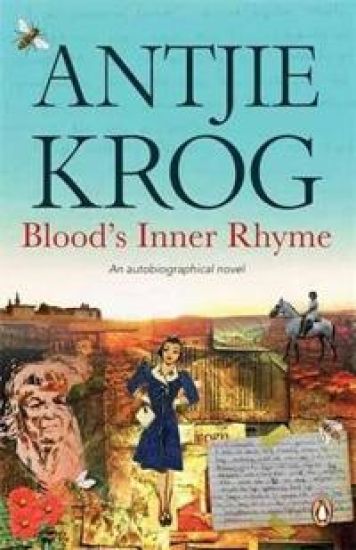
Blood's Inner Rhyme

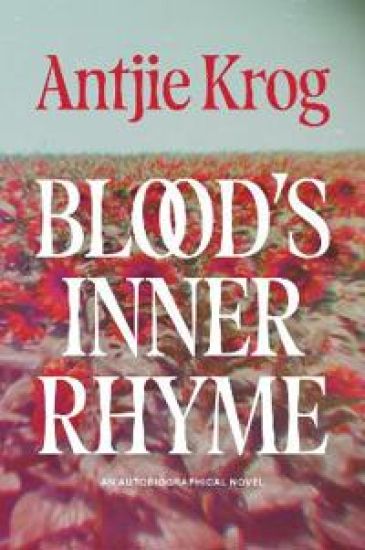
Blood's Inner Rhyme

Antjie Krog

Penguin Random House South Africa
2025
nidottu
Poet Antjie Krog returns to the landscape of her childhood. The Free State plains enchant her – it is her home, and the home of her mother, the writer Dot Serfontein. In her nineties, Dot is frail and needs full-time care, but her intellect and sense of humour are razor-sharp, and her writing is comparable to that of her daughter. In Blood’s Inner Rhyme, Antjie Krog breaks the boundaries between genres and writes about this relationship that continues to fascinate and torment her. Using letters, diary entries and care-home records, the book explores creative influence, ideological disagreements and the realities of ageing. Krog exposes the insurmountable differences between generations but also shows the love and mutual admiration between two highly skilled writers. Beautifully and poignantly written, Blood’s Inner Rhyme delves into cultural heritage, the country's Anglo-Boer War history, issues of land ownership and race, as well as romantic relationships across racial boundaries. The story of the relationship between mother and daughter, this is Krog’s most personal book, as well as the most universal.
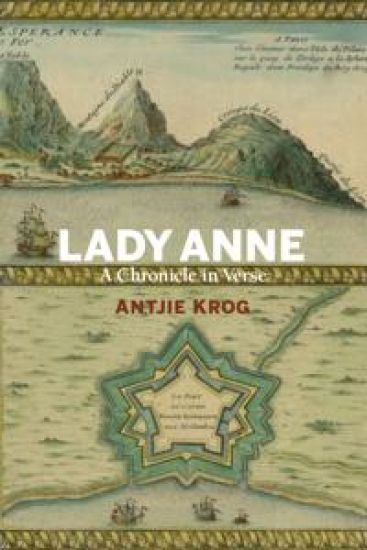
Lady Anne

Lady Anne

Antjie Krog

Bucknell University Press
2017
nidottu
Lady Anne: A Chronicle in Verse by Antjie Krog is the first English translation of an award winning book published in Afrikaans in 1989. It engages critically and creatively with a key moment of colonial history—the time Lady Anne Barnard spent at the Cape of Good Hope, from 1797 to 1802. Usually mentioned merely as a witty hostess of fabulous parties, Anne Lindsay Barnard, the daughter of a Scottish Earl and the wife of a colonial administrator, was an independent thinker and a painter and writer of genius. She left diaries, correspondence and watercolors documenting her experiences in this exotic land, the contact zone of colonizers and indigenous peoples. Antjie Krog acts as bard and chronicles an epic about this remarkable heroine’s life in South Africa, and intertwines it with life two hundred years later in the same country but now in the throes of anti-apartheid anger and vicious states of emergency. Krog’s powerful and eloquent bringing together of the past and the present, and the historical and the poetic embodies an experience that is as pertinent and compelling today in a democratic but still turbulent South Africa, as it is in the USA and other places where the intersections of race, identity, power, and language lie at the center of civic life.
Conditional Tense

Conditional Tense

Antjie Krog

Seagull Books London Ltd
2013
sidottu
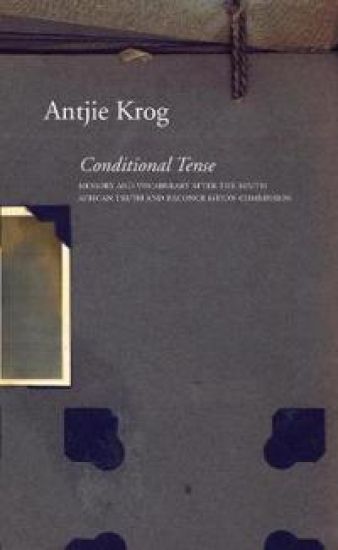
When apartheid ended in 1994, a radiant national optimism suggested a bright future for the new, unified South Africa. But today, even in the midst of a vibrant economy, the cumulative effect of the country's corrosive past-three hundred years of colonialism, the Anglo-Boer War, the displacement, dispossession, and disenfranchisement of millions of people, and the ravages of racism and capitalist exploitation-continues to eat away at what Archbishop Desmond Tutu admiringly called "the Rainbow Nation." Using the South African Truth and Reconciliation Commission as a starting point, acclaimed writer Antjie Krog's essays explore texts from every corner of South Africa in an attempt to remap the borders of her country's communities. In these pages, texts from black women, Afrikaner men, and even comic strips are discussed alongside ideas from African philosophers, an archbishop, and a Nobel Prize winner. Through this extraordinary marriage of academic observation and poetic intervention, Krog endeavors to move South Africa beyond the present moment and toward a new vocabulary of grace and care.
Skinned

Skinned

Antjie Krog

Seven Stories Press,U.S.
2013
sidottu
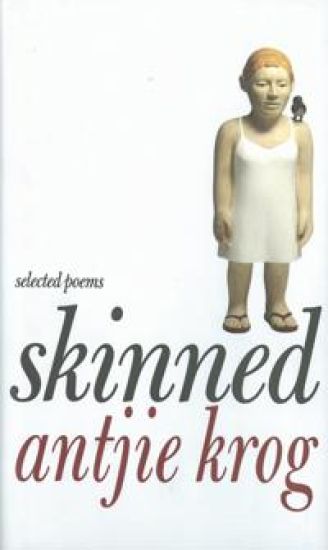
One of South Africa's greatest living poets selects from her most recent poems and also from the poems and the themes that best represent her from across her long career. Part One of "Skinned "contains poems about writing, family and love poems. The poems in second part were chosen from a volume featuring a long epic poem based on the life of Lady Anne Barnard from Scotland, who accompanied her husband to Cape Town and lived in the castle there from 1797 until 1802. This volume was written during the height of apartheid and the poet chose Lady Anne as representative of the colonial vision. Part Three contains extracts from several speakers who lived in the land before the likes of lady Anne arrived. Krog includes here interviews with inhabitants of the stone desert, three re-workings of Bushmen or Xam narratives, as well as a translation of an oral Xhosa praise poem. Part Four represents the political turmoil of South Africa and the divisions within Africa. The poems come from volumes that explored how blacks and whites identifying with the oppressed were removed from official history. The present volume as a whole explores the necessity of "a change of tongue" in order to be.
Country of My Skull: Guilt, Sorrow, and the Limits of Forgiveness in the New South Africa
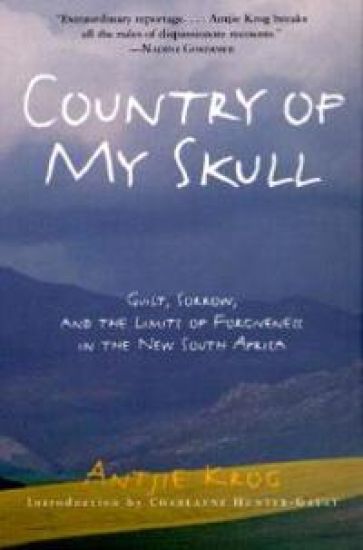
Ever since Nelson Mandela dramatically walked out of prison in 1990 after twenty-seven years behind bars, South Africa has been undergoing a radical transformation. In one of the most miraculous events of the century, the oppressive system of apartheid was dismantled. Repressive laws mandating separation of the races were thrown out. The country, which had been carved into a crazy quilt that reserved the most prosperous areas for whites and the most desolate and backward for blacks, was reunited. The dreaded and dangerous security force, which for years had systematically tortured, spied upon, and harassed people of color and their white supporters, was dismantled. But how could this country--one of spectacular beauty and promise--come to terms with its ugly past? How could its people, whom the oppressive white government had pitted against one another, live side by side as friends and neighbors? To begin the healing process, Nelson Mandela created the Truth and Reconciliation Commission, headed by the renowned cleric Archbishop Desmond Tutu. Established in 1995, the commission faced the awesome task of hearing the testimony of the victims of apartheid as well as the oppressors. Amnesty was granted to those who offered a full confession of any crimes associated with apartheid. Since the commission began its work, it has been the central player in a drama that has riveted the country. In this book, Antjie Krog, a South African journalist and poet who has covered the work of the commission, recounts the drama, the horrors, the wrenching personal stories of the victims and their families. Through the testimonies of victims of abuse and violence, from the appearance of Winnie Mandela to former South African president P. W. Botha's extraordinary courthouse press conference, this award-winning poet leads us on an amazing journey. Country of My Skull captures the complexity of the Truth Commission's work. The narrative is often traumatic, vivid, and provocative. Krog's powerful prose lures the reader actively and inventively through a mosaic of insights, impressions, and secret themes. This compelling tale is Antjie Krog's profound literary account of the mending of a country that was in colossal need of change.
Country Of My Skull

Country Of My Skull

Antjie Krog

Vintage
1999
pokkari

Halvin toimitettuna 18,70 €

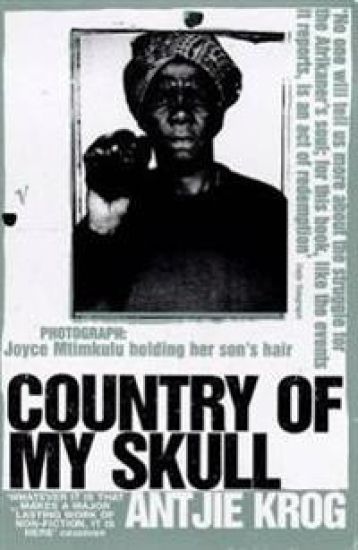
Antije Krog's full account of the Commission's work using the testimonies of the oppressed and oppressors alike is a harrowing and haunting book in which the voices of ordinary people shape the course of history. WINNER OF SOUTH AFRICA'S SUNDAY TIMES ALAN PATON AWARD