
Kirjojen hintavertailu – 12 903 724 kirjaa ja 27 kauppaa

Kirjailija

Ara Kirakosyan

Kirjat ja teokset yhdessä paikassa: 3 kirjaa, julkaisuja vuosilta 2006–2016, suosituimpiin kuuluu Recent Advances in Plant Biotechnology. Vertaile teosten hintoja ja tarkista saatavuus suomalaisista kirjakaupoista.

3 kirjaa

Kirjojen julkaisuvuodet: 2006–2016.

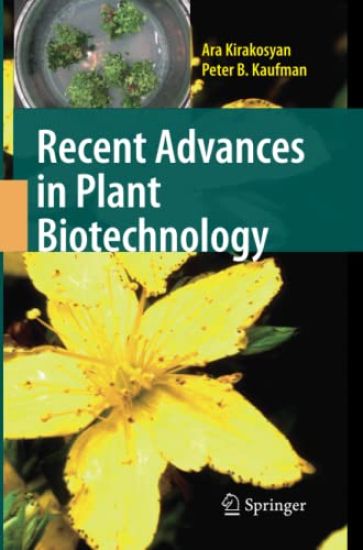
Recent Advances in Plant Biotechnology

Recent Advances in Plant Biotechnology

Ara Kirakosyan; Peter B. Kaufman

Springer-Verlag New York Inc.
2016
nidottu
Plant biotechnology applies to three major areas of plants and their uses: (1) control of plant growth and development; (2) protection of plants against biotic and abiotic stresses; and (3) expansion of ways by which specialty foods, biochemicals, and pharmaceuticals are produced. The topic of recent advances in plant biotechnology is ripe for consideration because of the rapid developments in this ?eld that have revolutionized our concepts of sustainable food production, cost-effective alt- native energy strategies, environmental bioremediation, and production of pla- derived medicines through plant cell biotechnology. Many of the more traditional approaches to plant biotechnology are woefully out of date and even obsolete. Fresh approaches are therefore required. To this end, we have brought together a group of contributors who address the most recent advances in plant biotechnology and what they mean for human progress, and hopefully, a more sustainable future. Achievements today in plant biotechnology have already surpassed all previous expectations. These are based on promising accomplishments in the last several decades and the fact that plant biotechnology has emerged as an exciting area of research by creating unprecedented opportunities for the manipulation of biological systems. In connection with its recent advances, plant biotechnology now allows for the transfer of a greater variety of genetic information in a more precise, controlled manner. The potential for improving plant productivity and its proper use in agric- ture relies largely on newly developed DNA biotechnology and molecular markers.
Recent Advances in Plant Biotechnology

Recent Advances in Plant Biotechnology

Ara Kirakosyan; Peter B. Kaufman

Springer-Verlag New York Inc.
2009
sidottu
Plant biotechnology applies to three major areas of plants and their uses: (1) control of plant growth and development; (2) protection of plants against biotic and abiotic stresses; and (3) expansion of ways by which specialty foods, biochemicals, and pharmaceuticals are produced. The topic of recent advances in plant biotechnology is ripe for consideration because of the rapid developments in this ?eld that have revolutionized our concepts of sustainable food production, cost-effective alt- native energy strategies, environmental bioremediation, and production of pla- derived medicines through plant cell biotechnology. Many of the more traditional approaches to plant biotechnology are woefully out of date and even obsolete. Fresh approaches are therefore required. To this end, we have brought together a group of contributors who address the most recent advances in plant biotechnology and what they mean for human progress, and hopefully, a more sustainable future. Achievements today in plant biotechnology have already surpassed all previous expectations. These are based on promising accomplishments in the last several decades and the fact that plant biotechnology has emerged as an exciting area of research by creating unprecedented opportunities for the manipulation of biological systems. In connection with its recent advances, plant biotechnology now allows for the transfer of a greater variety of genetic information in a more precise, controlled manner. The potential for improving plant productivity and its proper use in agric- ture relies largely on newly developed DNA biotechnology and molecular markers.
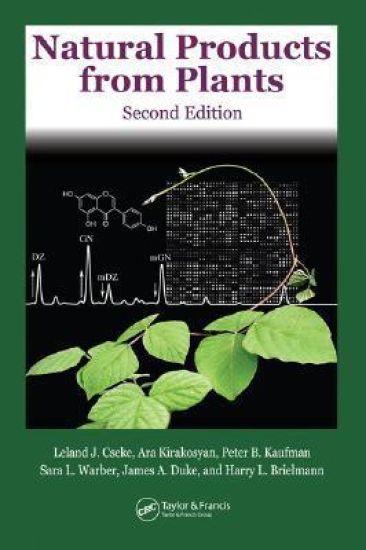
Natural Products from Plants

Natural Products from Plants

Leland J. Cseke; Ara Kirakosyan; Peter B. Kaufman; Sara Warber; James A. Duke; Harry L. Brielmann

CRC Press Inc
2006
sidottu
2008 NOMINEEThe Council on Botanical and Horticultural Libraries Annual Award for a Significant Work in Botanical or Horticultural Literature From medicinal, industrial, and culinary uses to cutting-edge laboratory techniques in modern research and plant conservation strategies, Natural Products from Plants, Second Edition reveals a vastly expanded understanding of the natural products that plants produce. In a single volume, this bookoffers a thorough inventory of the various types of plant-derived compounds. It covers their chemical composition, structure, and properties alongside the most effective ways to identify, extract, analyze, and characterize new plant-derived compounds. The authors examine new information on the chemical mechanisms plants use to deter predators and pathogens, attract symbiotic organisms, and defend themselves against environmental stress—insights which are key for adapting such mechanisms to human health. Along with updated and revised information from the highly acclaimed first edition, the second edition presents seven new chapters and features more than 50% new material relating to plant constituents, natural product biochemistry, and molecular biology. The book incorporates in-depth treatment of natural product biosynthesis with new collection and extraction protocols, advanced separation and analytical techniques, up-to-date bioassays, as well as modern molecular biology and plant biotechnology for the production of natural products. Unique in its breadth and coverage, Natural Products from Plants, Second Edition belongs on the shelf of interested researchers, policymakers, and consumers— particularly those involved in disease prevention, treatment, and pharmaceutical applications—who need a complete guide to the properties, uses, and study of plant natural products.