
Kirjojen hintavertailu – 12 859 819 kirjaa ja 27 kauppaa

Kirjailija

Argyrios Altiparmakis

Kirjat ja teokset yhdessä paikassa: 2 kirjaa, julkaisuja vuodelta 2024, suosituimpiin kuuluu Coming to Terms with the European Refugee Crisis. Vertaile teosten hintoja ja tarkista saatavuus suomalaisista kirjakaupoista.

2 kirjaa

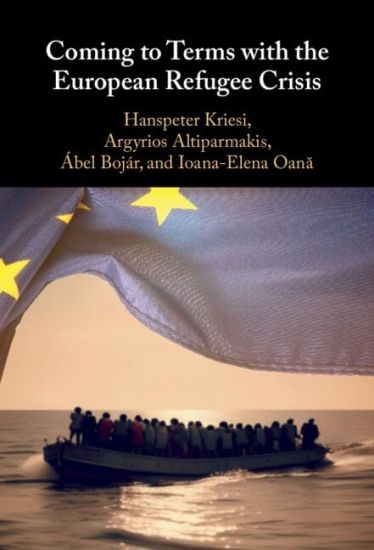
Coming to Terms with the European Refugee Crisis

Coming to Terms with the European Refugee Crisis

Hanspeter Kriesi; Argyrios Altiparmakis; Ábel Bojár; Ioana-Elena Oana

Cambridge University Press
2024
sidottu
The refugee crisis which hit the European Union and its member states during 2015–16 was just one in a series of recent crises, but perhaps the most critical for the EU's resilience. This book shows how policymakers in the EU polity have tried to come to terms with it. To explain how they reacted to the crisis domestically and jointly at the EU-level, the study relies on an original method to analyze political processes. It argues that the policy-specific institutional context and the specific crisis situation, defined in terms of asymmetrical problem and political pressure, largely shaped the crisis response. The authors suggest that the way in which the refugee crisis was managed has resulted in conflicts between member states, which have been further exacerbated in subsequent crises and will continue to haunt the EU in times to come. This title is also available as Open Access on Cambridge Core.
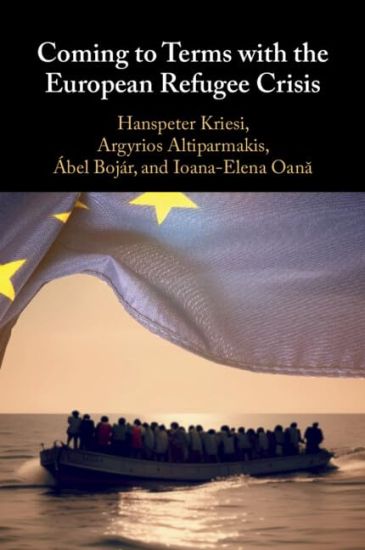
Coming to Terms with the European Refugee Crisis

Coming to Terms with the European Refugee Crisis

Hanspeter Kriesi; Argyrios Altiparmakis; Ábel Bojár; Ioana-Elena Oana

Cambridge University Press
2024
pokkari
The refugee crisis which hit the European Union and its member states during 2015–16 was just one in a series of recent crises, but perhaps the most critical for the EU's resilience. This book shows how policymakers in the EU polity have tried to come to terms with it. To explain how they reacted to the crisis domestically and jointly at the EU-level, the study relies on an original method to analyze political processes. It argues that the policy-specific institutional context and the specific crisis situation, defined in terms of asymmetrical problem and political pressure, largely shaped the crisis response. The authors suggest that the way in which the refugee crisis was managed has resulted in conflicts between member states, which have been further exacerbated in subsequent crises and will continue to haunt the EU in times to come. This title is also available as Open Access on Cambridge Core.