Kirjojen hintavertailu – 12 903 725 kirjaa ja 27 kauppaa
Kirjailija
Ariana Huberman
Kirjat ja teokset yhdessä paikassa: 5 kirjaa, julkaisuja vuosilta 2010–2025, suosituimpiin kuuluu Keeping the Mystery Alive. Vertaile teosten hintoja ja tarkista saatavuus suomalaisista kirjakaupoista.
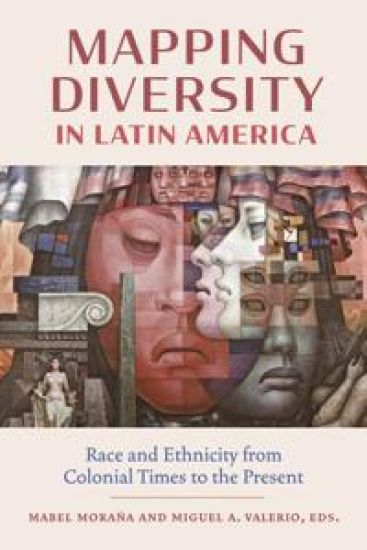
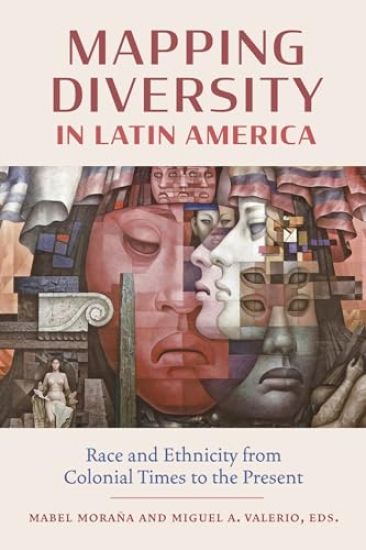
Mapping Diversity in Latin America offers ample critical coverage of recent approaches to the historical study of race and ethnicity in Latin America since the arrival of Spanish and Portuguese colonizers to the present. Bringing together the work of leading scholars, this volume presents readers with a thorough and updated examination of the formation and evolution of ideas surrounding race and ethnicity, social movements, and political processes in Latin America that provides multiple routes for future research on the topic. The book’s nineteen chapters establish the basis for a productive comparative analysis of racial developments in the whole continent to allow for a combination of diachronic and synchronic study of regional processes. Both the scope of the book and the historical and geocultural coverage on these topics are unique in the field of Latin American Studies. Taking an interdisciplinary approach to understanding issues of collective identity, otherness, alterity, and the like, Mapping Diversity in Latin America sheds light on histories that have been traditionally overlooked in texts on race in Latin America, such as the rich history of diasporic Asian, Syrian Lebanese, and Jewish communities, and the more recent emergence of Latinx populations in the United States. The book includes a critical examination of fundamental concepts such as mestizaje, mulataje, creolization, negritud, and blanquitud, as well as critical and theoretical approaches to the study of these issues in postcolonial societies.
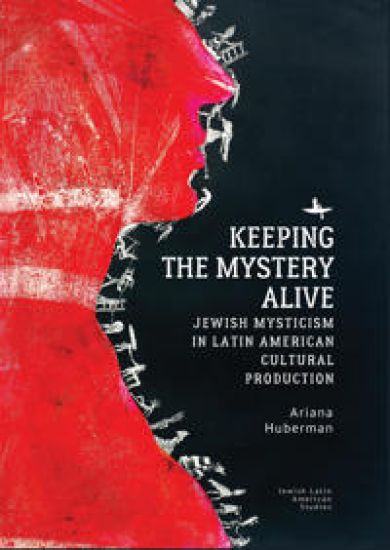
This book delves into creative renditions of key aspects of Jewish Mysticism in Latin American literature, film, and art from the perspective of literary and cultural studies. It introduces the work of Latin American authors and artists who have been inspired by Jewish Mysticism from the 1960s to the present focusing on representations of dybbuks (transmigratory souls), the presence of Eros as part of the experience of mystical prayer, reformulations of Zoharic fables, and the search for Tikkun Olam (cosmic repair), among other key topics of Jewish Mysticism. The purpose of this book is to open up these aspects of their work to a broad audience who may or may not be familiar with Jewish Mysticism.
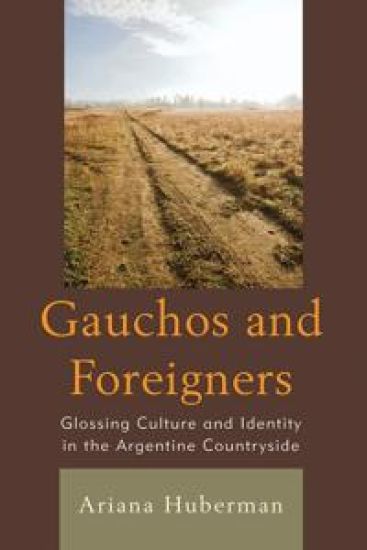
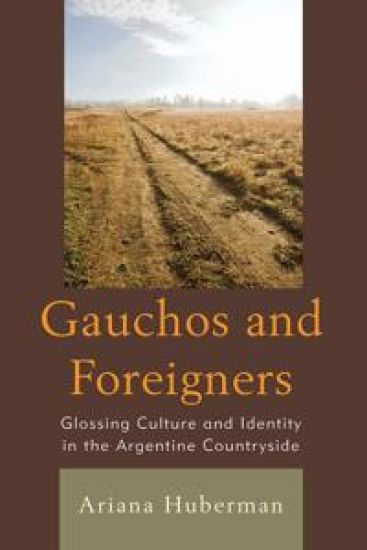
In Gauchos and Foreigners: Glossing Culture and Identity in the Argentine Countryside Ariana Huberman discusses the relationship between the gaucho figure and the "foreigner" in Argentine rural literature. The narratives of William Henry Hudson, Benito Lynch and Alberto Gerchunoff present English scientists and travelers, as well as Jewish and Italian immigrants, in direct contact with the gaucho in the Argentine and Uruguayan countryside. The book shows how the intent to define and translate terms from the national glossary the gaucho, his lifestyle and habitat and from "foreign" cultures, ultimately questions these terms' capacity to represent a specific culture. It traces a series of writing practices that challenge the concepts of "native" and "foreign" as stable categories of representation by conveying identity and culture across multiple linguistic, social and cultural registers. The reading of these unique practices of translation hopes to offer a fresh approach to the multicultural scope of Argentine literature.