Kirjojen hintavertailu – 12 903 733 kirjaa ja 27 kauppaa
Kirjailija
Arlene Vetere
Kirjat ja teokset yhdessä paikassa: 8 kirjaa, julkaisuja vuosilta 2005–2024, suosituimpiin kuuluu Domestic Violence and Family Safety. Vertaile teosten hintoja ja tarkista saatavuus suomalaisista kirjakaupoista.
Dieses praxisbezogene Buch bietet eine professionelle Anleitung zur Beendigung häuslicher Gewalt in Paaren und Familien und zur Förderung von Heilung und Sicherheit in der Folgezeit. Die theoretische Vielfalt (Bindung, Trauma, Feminismus, Narrativität) und die Einbeziehung von Familienstrukturen und Gewaltformen ermöglichen es, sowohl komplexe Umstände zu verstehen als auch mit Familien zu intervenieren. Die Aufgaben der Heilung, von der Wiederherstellung des Vertrauens bis zur Förderung einer positiven Bewältigung, sind eindeutig mit den Auswirkungen des Missbrauchs verbunden, wie z. B. ungelöster Verlust, abgestumpfte Traumareaktionen, schlechte Emotionsregulierung und beschädigtes Beziehungswertgefühl. Und weil anhaltende Sicherheit für das Wohlbefinden entscheidend ist, erweitern die Autoren ihre Sicherheitskonzepte um die eigenen Erfahrungen, die Sicherheit und die Selbstfürsorge der Fachkräfte. Zu den behandelten Themen gehören:- Leben mit Gewalt in der Familie: Retrospektive Erinnerung an die Kindheitserfahrungen von Frauen.- Wie man der Gewalt Einhalt gebieten kann: Anwendung einer Sicherheitsmethodik über die gesamte Lebensspanne.- Paaren helfen, sich sicher zu trennen: Auf sichere Trennungen hinarbeiten.- Heilung und Reparatur in Beziehungen: Therapeutische Arbeit mit Paaren.- Systematische Arbeit mit Eltern, Kindern und erwachsenen Überlebenden, wenn der Missbrauch aufhört.- Supervision und Konsultation von Fachleuten, die mit Familien und Trauma zu tun haben. Dieses Buch ist ein unverzichtbares Hilfsmittel für Sozialarbeiter:innen und Fachleute für psychische Gesundheit, die in der klinischen Praxis tätig sind und Strategien für die therapeutische und systematische Arbeit mit Paaren und Familien suchen, die körperliche und emotionale Gewalt erlebt haben.
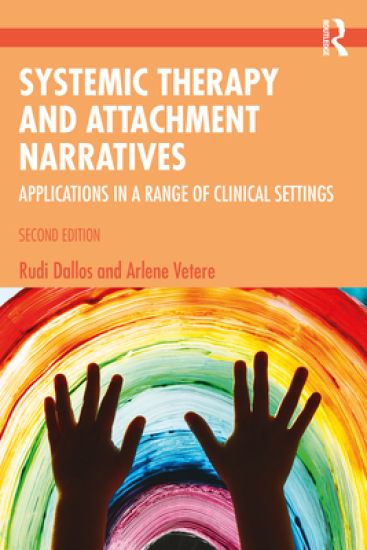
Systemic Therapy and Attachment Narratives explores how attachment-based ideas can be used in clinical practice by offering a practical and sophisticated exposition of clinical approaches. This new edition offers an updated overview of the integrations of attachment, systemic and narrative theory, and practice incorporating key developments in developmental trauma, intergenerational trauma and neuroscience of the emotional brain. It shows how early emotional experiences set the tone of the narratives we develop about our lives and how these in turn shape our emotional connections. This edition is more oriented towards activities and features more visual representations of problematic patterns of interaction, showing their significance for the family members. It also uses clinical examples to provide guidance on using attachment narrative therapy in different clinical contexts and with various client groups. The book provides practical guidance for a range of mental health professionals including family therapists, child, adolescent and adult psychotherapists, clinical psychologists and social workers, enabling them to apply this approach in a range of contexts.
Systemic theory offers a valuable framework for integrating the diverse ideas found throughout the mental health arena in both theory and clinical practice. With this accessible book, the authors take you on an enjoyable and coherent journey through systemic theory. They then review the body of research into family therapy and conclude with a cr
This practical text offers professional guidance on stopping domestic violence in couples and families and promoting healing and safety in its aftermath. Rich in theoretical diversity (attachment, trauma, feminist, narrative) and inclusive of family structures and forms of violence, the coverage takes an approach to understanding both complex circumstances and intervening with families. The tasks of healing, from reestablishing trust to fostering positive coping, are clearly linked to effects of abuse such as unresolved loss, blunted trauma responses, poor emotion regulation, and damaged relational esteem. And because sustained safety is crucial to well-being, the authors extend their concepts of safety to include professionals’ own experience, security, and self-care. Among the topics covered:· Living with violence in the family: retrospective recall of women’s childhood experiences.· How to help stop the violence: using a safety methodology across the lifespan.· Helping couples separate safely: working towards safe separations.· Healing and repair in relationships: working therapeutically with couples.· Working systemically with parents, children, and adult survivors when the abuse stops.· Supervision and consultation with practitioners who intervene with families and trauma. Intervening After Violence: Therapy for Couples and Families is an essential resource for social workers and mental health professionals engaged in clinical practice seeking strategies for working therapeutically and systematically with couples and families coping with physical and emotional violence.
What are the benefits of conducting research while practising? Which research methods are most suitable for busy practitioners? How can practitioners weave research into their everyday practice without it becoming a burdensome add-on? What practical and ethical considerations should counsellors and therapists take into account when researching? This book focuses on the issues facing practising clinicians wishing to engage in research. It outlines approaches involving both clients and other professionals in the research and argues for approaches that combine an exploration of the experience as well as the effectiveness of therapies. With an emphasis on ‘do-able’ research, the book examines the dilemmas and challenges for clinicians in recruiting participants and combining research with clinical practice, and includes step-by-step guides to doing research projects. Key topics covered include: Collaborative researchThe ethics of research Mixed methods of research (qualitative and quantitative)Suitable research methods for busy cliniciansPractice-based evidence and evidence-based practice Written by authors with extensive experience of research teaching with clinicians, Researching Psychotherapy and Counselling provides a rigorous, yet practical guide for trainee and practising counsellors, psychotherapists and clinical psychologists, as well as allied mental health professionals.
The book aims to explore the exciting opportunities offered by a systemic approach for mental health professionals and psychotherapists when working with families and other systems where domestic violence in intimate relationships is of concern. The main purpose of the book lies in the application of systemic thinking to safety and to understanding the complexity of domestic violence on family relationships over time. The authors outline their approach to these complex issues based on their eight years of joint experience in the Reading Safer Families project. They draw from a broad field of family psychology and systemic psychotherapy to distil the theories, methods and techniques most helpful to practitioners working in modern public and voluntary agencies. Their systemic approach to issues of risk, responsibility and collaboration provides a coherent framework within which to integrate practice. The book also provides a practice orientated and detailed approach to risk assessment, risk management and family reunification. This book will be of interest to practitioners in clinical and educational psychology, social work, nursing, psychiatry, probation, health visiting, counselling and psychotherapy, who work with individuals living in intimate relationships where violence may be of concern, and also to practice supervisors, trainers, trainees and students in these disciplines.