Kirjojen hintavertailu – 12 859 819 kirjaa ja 27 kauppaa

Kirjailija

Arne Duncan

Kirjat ja teokset yhdessä paikassa: 5 kirjaa, julkaisuja vuosilta 2011–2024, suosituimpiin kuuluu You Can’t Be What You Can’t See. Vertaile teosten hintoja ja tarkista saatavuus suomalaisista kirjakaupoista.

5 kirjaa

Kirjojen julkaisuvuodet: 2011–2024.

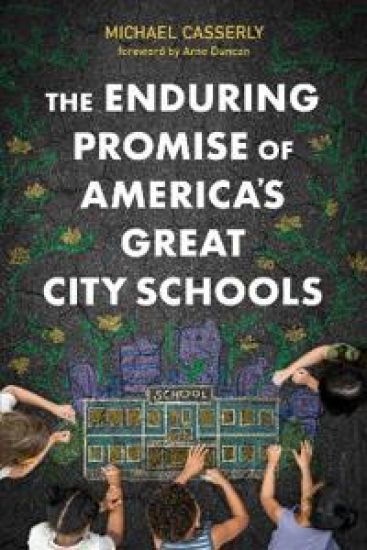
The Enduring Promise of America's Great City Schools

The Enduring Promise of America's Great City Schools

Michael Casserly; Arne Duncan

Harvard Educational Publishing Group
2024
nidottu
A sober yet encouraging look at how urban public schools have confronted challenges, defied expectations, and continued to improve In The Enduring Promise of America’s Great City Schools, Michael Casserly presents a forthright assessment of the past performance and future potential of large urban PreK–12 school districts in the United States. From a vantage of nearly five decades of work within the Council of the Great City Schools, which now represents seventy-eight of the nation’s largest urban public school districts, Casserly expertly distills data on student performance, school enrollment, and the impact of strategic reforms to draw a balanced picture of progress and setbacks in urban schools. Casserly contends that America’s urban public schools have played a critical role in expanding democracy, advancing equity, and enhancing opportunities, especially for students from historically underserved groups. He illustrates how urban school leaders have proven themselves adept at handling crises, including the global pandemic. The book outlines the many strengths of large urban districts: they were early adopters of the college and career-ready standards, stalwart supporters of reforms that raised expectations for their students, and engineers of instructional and systems improvements that have led to landmark gains in both math and reading achievement. Casserly leaves readers with thoughts on organizational change in the wake of declining enrollment and funding, among other challenges in education, confident that urban districts will continue to be architects of their own improvement.
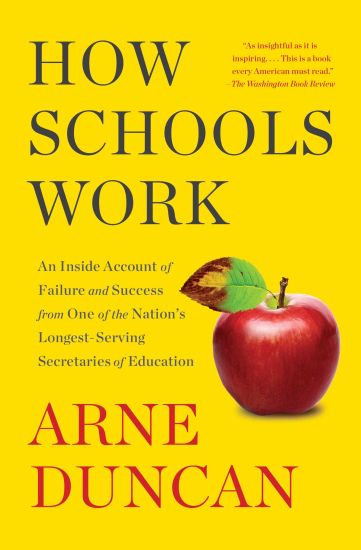
How Schools Work: An Inside Account of Failure and Success from One of the Nation's Longest-Serving Secretaries of Education
"This book merits every American's serious consideration" (Vice President Joe Biden): from the Secretary of Education under President Obama, an expos of the status quo that helps maintain a broken system at the expense of our kids' education, and threatens our nation's future. "Education runs on lies. That's probably not what you'd expect from a former Secretary of Education, but it's the truth." So opens Arne Duncan's How Schools Work, although the title could just as easily be How American Schools Work for Some, Not for Others, and Only Now and Then for Kids. Drawing on nearly three decades in education--from his mother's after-school program on Chicago's South Side to his tenure as Secretary of Education in Washington, DC--How Schools Work follows Arne (as he insists you call him) as he takes on challenges at every turn: gangbangers in Chicago housing projects, parents who call him racist, teachers who insist they can't help poor kids, unions that refuse to modernize, Tea Partiers who call him an autocrat, affluent white progressive moms who hate yearly tests, and even the NRA, which once labeled Arne the "most extreme anti-gun member of President Obama's Cabinet." Going to a child's funeral every couple of weeks, as he did when he worked in Chicago, will do that to a person. How Schools Work exposes the lies that have caused American kids to fall behind their international peers, from early childhood all the way to college graduation rates. But it also identifies what really does make a school work. "As insightful as it is inspiring" (Washington Book Review), How Schools Work will embolden parents, teachers, voters, and even students to demand more of our public schools. If America is going to be great, then we can accept nothing less.
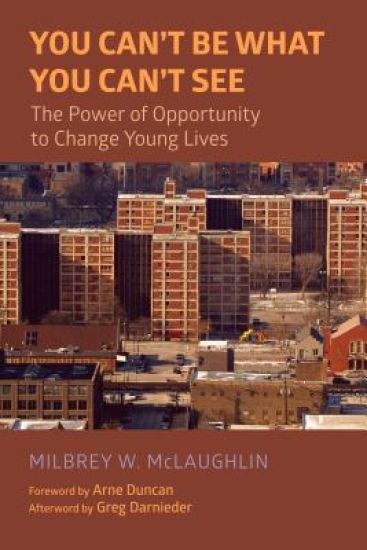
You Can't Be What You Can't See

You Can't Be What You Can't See

Milbrey W. McLaughlin; Arne Duncan; Greg Darnieder

Harvard Educational Publishing Group
2018
nidottu
You Can’t Be What You Can’t See presents a rare longitudinal account of the benefits of a high-quality, out-of-school program on the life trajectories of hundreds of poor, African American youth who grew up in Chicago’s notorious Cabrini-Green housing project in the 1980s and early ’90s. The result of a five-year research project by Stanford scholar Milbrey W. McLaughlin, the book documents what happened to more than 700 Cabrini-Green youth two decades after they attended the Community Youth Creative Learning Experience (CYCLE), a comprehensive after-school program offering tutoring, enrichment, scholarships, summer camps, and more. Through data collection, and in-depth interviews with participants and staff, she finds that almost all had graduated high school and escaped poverty, and so had their children. McLaughlin describes the design principles as well as the core features of the program that participants say were key to their success: mentoring, exposure to activities and resources beyond their neighborhood, and a culture of belonging in which staff committed to “never give up on a kid.” The recollections and accomplishments of CYCLE alums, McLaughlin argues, challenge current assumptions about the enduring effects of poverty and highlight the power of opportunity “to imagine and take a different path.” You Can’t Be What You Can’t See offers lessons for policy makers, educators, community activists, funders, and others interested in learning what makes a youth organization effective for low-income, marginalized children.
You Can’t Be What You Can’t See

You Can’t Be What You Can’t See

Milbrey W. McLaughlin; Arne Duncan; Greg Darnieder

Harvard Educational Publishing Group
2018
sidottu
You Can’t Be What You Can’t See presents a rare longitudinal account of the benefits of a high-quality, out-of-school program on the life trajectories of hundreds of poor, African American youth who grew up in Chicago’s notorious Cabrini-Green housing project in the 1980s and early ’90s. The result of a five-year research project by Stanford scholar Milbrey W. McLaughlin, the book documents what happened to more than 700 Cabrini-Green youth two decades after they attended the Community Youth Creative Learning Experience (CYCLE), a comprehensive after-school program offering tutoring, enrichment, scholarships, summer camps, and more. Through data collection, and in-depth interviews with participants and staff, she finds that almost all had graduated high school and escaped poverty, and so had their children. McLaughlin describes the design principles as well as the core features of the program that participants say were key to their success: mentoring, exposure to activities and resources beyond their neighborhood, and a culture of belonging in which staff committed to “never give up on a kid.” The recollections and accomplishments of CYCLE alums, McLaughlin argues, challenge current assumptions about the enduring effects of poverty and highlight the power of opportunity “to imagine and take a different path.” You Can’t Be What You Can’t See offers lessons for policy makers, educators, community activists, funders, and others interested in learning what makes a youth organization effective for low-income, marginalized children.
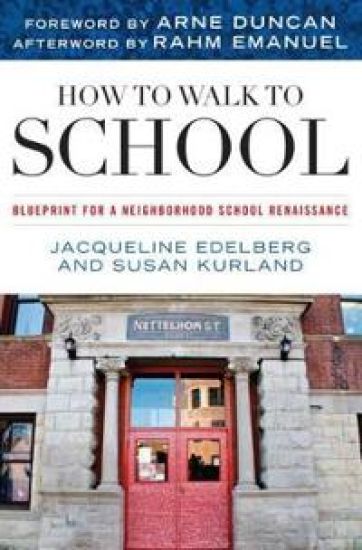
How to Walk to School

How to Walk to School

Jacqueline Edelberg; Susan Kurland; Arne Duncan; Rahm Emanuel

Rowman Littlefield
2011
pokkari
When two gutsy moms ventured inside Nettelhorst, their neighborhood's underutilized and struggling public elementary school, the new principal asked what it would take for them to enroll their children. Stunned by her candor, they returned the next day armed with an extensive wish list. The principal read their list and said "Well, let's get started, girls! It's going to be a busy year . . . " How to Walk to School is the story—from the highs to the lows—of motivated neighborhood parents galvanizing and then organizing an entire community to take a leap of faith, transforming a challenged urban school into one of Chicago's best, virtually overnight. The fate of public education is not beyond our control. In How to Walk to School, Susan Kurland, Nettelhorst's new and entrepreneurial principal, and Jacqueline Edelberg, the neighborhood mom, provide an accessible and honest blueprint for reclaiming the great public schools our children deserve. Check out www.howtowalktoschool.com for more information.