Kirjailija
Arnold Bennett
Kirjat ja teokset yhdessä paikassa: 984 kirjaa, julkaisuja vuosilta 1994–2026, suosituimpiin kuuluu The Old Wives' Tale. Vertaile teosten hintoja ja tarkista saatavuus suomalaisista kirjakaupoista.
984 kirjaa
Kirjojen julkaisuvuodet: 1994–2026.

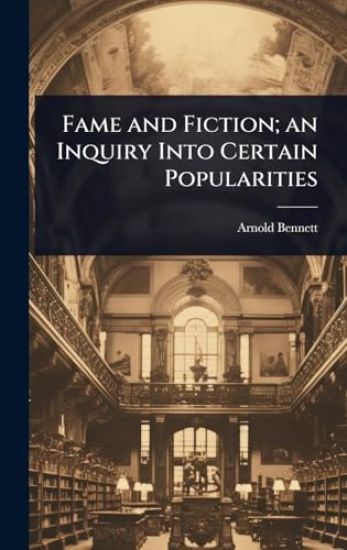
Fame and Fiction; an Inquiry Into Certain Popularities
Arnold Bennett
Hutson Street Press
2025
sidottu
Fame and Fiction; an Inquiry Into Certain Popularities
Arnold Bennett
Hutson Street Press
2025
pokkari
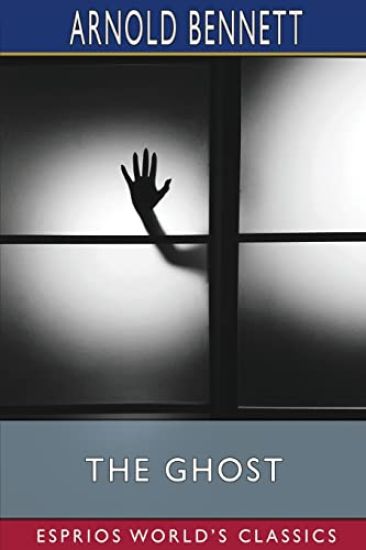
Enoch Arnold Bennett (27 May 1867 - 27 March 1931) was an English author, best known as a novelist. He was a prolific writer: between the start of his career in 1898 and his death he completed 34 novels, seven volumes of short stories, 13 plays (some in collaboration with other writers), and a daily journal of more than a million words. He wrote articles and stories for more than 100 different newspapers and periodicals, worked in, and briefly ran, the Ministry of Information in the First World War, and wrote for the cinema in the 1920s. Bennett is best known for his novels and short stories, many of which are set in a fictionalised version of the Potteries, which he called The Five Towns.
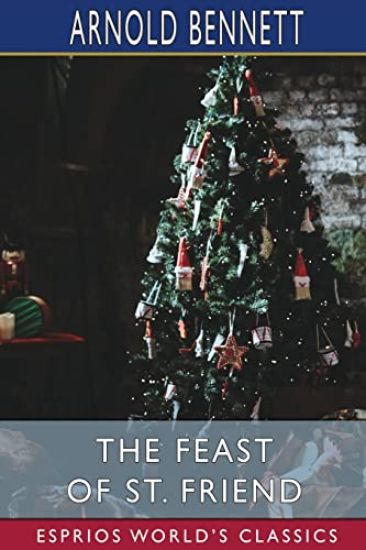
Enoch Arnold Bennett (27 May 1867 - 27 March 1931) was an English author, best known as a novelist. He was a prolific writer: between the start of his career in 1898 and his death he completed 34 novels, seven volumes of short stories, 13 plays (some in collaboration with other writers), and a daily journal of more than a million words. He wrote articles and stories for more than 100 different newspapers and periodicals, worked in, and briefly ran, the Ministry of Information in the First World War, and wrote for the cinema in the 1920s. Bennett is best known for his novels and short stories, many of which are set in a fictionalised version of the Potteries, which he called The Five Towns.
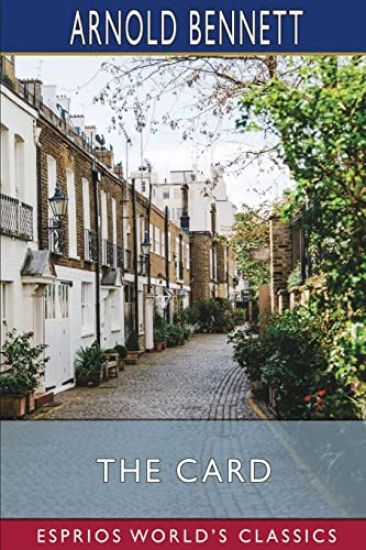
Enoch Arnold Bennett (27 May 1867 - 27 March 1931) was an English author, best known as a novelist. He was a prolific writer: between the start of his career in 1898 and his death he completed 34 novels, seven volumes of short stories, 13 plays (some in collaboration with other writers), and a daily journal of more than a million words. He wrote articles and stories for more than 100 different newspapers and periodicals, worked in, and briefly ran, the Ministry of Information in the First World War, and wrote for the cinema in the 1920s. Bennett is best known for his novels and short stories, many of which are set in a fictionalised version of the Potteries, which he called The Five Towns.
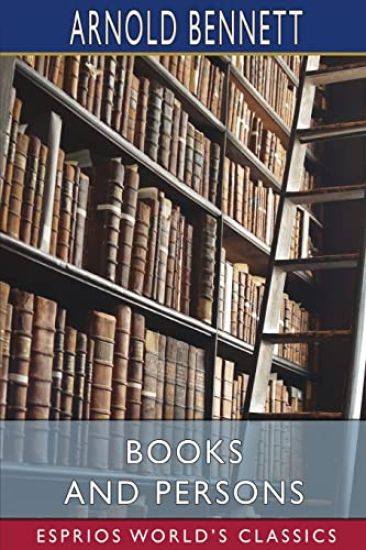
Enoch Arnold Bennett (27 May 1867 - 27 March 1931) was an English author, best known as a novelist. He was a prolific writer: between the start of his career in 1898 and his death he completed 34 novels, seven volumes of short stories, 13 plays (some in collaboration with other writers), and a daily journal of more than a million words. He wrote articles and stories for more than 100 different newspapers and periodicals, worked in, and briefly ran, the Ministry of Information in the First World War, and wrote for the cinema in the 1920s. Bennett is best known for his novels and short stories, many of which are set in a fictionalised version of the Potteries, which he called The Five Towns.
Enoch Arnold Bennett (27 May 1867 - 27 March 1931) was an English author, best known as a novelist. He was a prolific writer: between the start of his career in 1898 and his death he completed 34 novels, seven volumes of short stories, 13 plays (some in collaboration with other writers), and a daily journal of more than a million words. He wrote articles and stories for more than 100 different newspapers and periodicals, worked in, and briefly ran, the Ministry of Information in the First World War, and wrote for the cinema in the 1920s. Bennett is best known for his novels and short stories, many of which are set in a fictionalised version of the Potteries, which he called The Five Towns.