
Kirjailija
Arthur Bonner
Kirjat ja teokset yhdessä paikassa: 4 kirjaa, julkaisuja vuosilta 1987–1998, suosituimpiin kuuluu We Will Not Be Stopped. Vertaile teosten hintoja ja tarkista saatavuus suomalaisista kirjakaupoista.
4 kirjaa
Kirjojen julkaisuvuodet: 1987–1998.
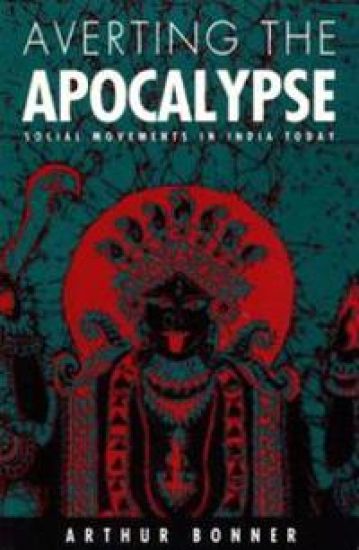
There are two Indias: the caste and class elite who hold all power and make up 10 to 15 percent of the population, and everyone else. Averting the Apocalypse is about everyone else. Arthur Bonner, a former New York Times reporter with long experience as a foreign correspondent in Asia, conducted interviews over many months while traveling almost 20,000 miles within India seeking out the underclass and social activists who together are beginning to mobilize for social change at the bottom of Indian society. Working in areas torn by violence, Bonner offers a terrifyingly accurate portrait of a society bloodied by decades of unequal social structure and the absence of a civil society and political mechanism capable of responding to the exploitation of the poor and weak. Bonner finds that India’s inability or refusal to address its debilitating social structure may be the precursor to an apocalyptic social upheaval unless heed is paid to the social movements that his first-hand investigation reveals.
There are two Indias: the caste and class elite who hold all power and make up 10 to 15 percent of the population, and everyone else. Averting the Apocalypse is about everyone else. Arthur Bonner, a former New York Times reporter with long experience as a foreign correspondent in Asia, conducted interviews over many months while traveling almost 20,000 miles within India seeking out the underclass and social activists who together are beginning to mobilize for social change at the bottom of Indian society. Working in areas torn by violence, Bonner offers a terrifyingly accurate portrait of a society bloodied by decades of unequal social structure and the absence of a civil society and political mechanism capable of responding to the exploitation of the poor and weak. Bonner finds that India’s inability or refusal to address its debilitating social structure may be the precursor to an apocalyptic social upheaval unless heed is paid to the social movements that his first-hand investigation reveals.
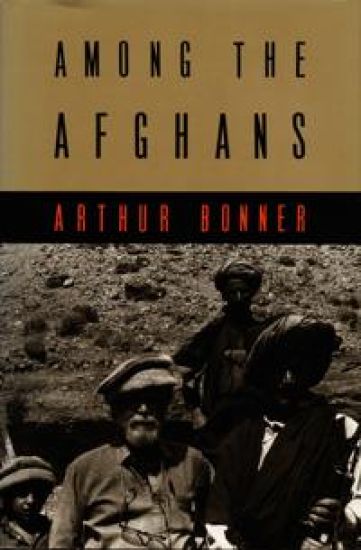
Arthur Bonner, a New York Times reporter with long experience as a foreign correspondent in Asia, Africa, and Latin America, spent most of 1985 and 1986 in Afghanistan and Pakistan researching the aftermath of the 1979 Soviet invasion of this mountainous, fiercely Islamic country. Bonner made another trip to Pakistan in mid-1987 to test his conclusions against recent events. Bonner therefore brings both recent experience and the sharp eye of a veteran journalist to an analysis of the Afghan situation: the tenacity and courage of the resistance, the massive emmigration, and the toll taken by the seemingly endless conflict on the country and its people. The author has seen both the great and small of Afghanistan--both the seared flesh of the hand that an Afghan mujahidin held in the fire to demonstrate his courage and the geopolitical reasons that impelled the former Soviet Union of set its might and treasure against a people who resisted with a fierce and sometimes (to Western eyes) thoughtless courage. This is the story of these antagonists--sobering, chilling, and finally enlightening.