Kirjojen hintavertailu – 12 859 827 kirjaa ja 27 kauppaa

Kirjailija

Arthur Cheney Train

Kirjat ja teokset yhdessä paikassa: 95 kirjaa, julkaisuja vuosilta 2005–2026, suosituimpiin kuuluu Courts, Criminals and the Camorra. Vertaile teosten hintoja ja tarkista saatavuus suomalaisista kirjakaupoista.

95 kirjaa

Kirjojen julkaisuvuodet: 2005–2026.

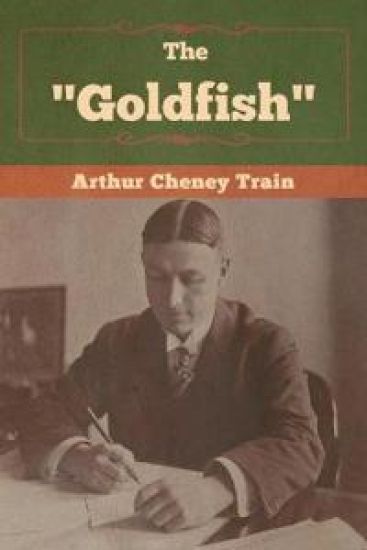
The "Goldfish"

The "Goldfish"

Arthur Cheney Train

Bibliotech Press
2020
pokkari
Arthur Cheney Train (September 6, 1875 - December 22, 1945), also called Arthur Chesney Train, was an American lawyer and writer of legal thrillers, particularly known for his novels of courtroom intrigue and the creation of the fictional lawyer Mr. Ephraim Tutt. Train was born in Boston, Massachusetts on September 6, 1875. His father was lawyer Charles Russell Train, who served for many years as attorney general of Massachusetts, and his mother was Sara Maria Cheney. After attending St. Paul's School in Concord, New Hampshire, Train graduated with a BA from Harvard University in 1896 and LLB from Harvard Law School in 1899. In January 1901, Train became assistant in the office of the New York County District Attorney. In 1904 he started his literary career with the publication of the short story "The Maximilian Diamond" in Leslie's Monthly. He ran the two careers in parallel until 1908 when he left the District Attorney's office to open a general law practice in the Mutual Life Building at 34 Nassau Street in New York City. His 1907 novel, Mortmain, was one of the earliest works in the alien hand syndrome genre and was adapted into a 1915 film of the same name that is now lost. Several other works by Train were filmed, including Illusion (1929), His Children's Children (1923), and The Blind Goddess (1926). From 1915 to 1922, Train was in private practice as a lawyer with Charles Albert Perkins while continuing to write, not just novels but short stories, plays, and journalism. In 1919, he created the popular character of Mr. Ephraim Tutt, a wily old lawyer who supported the common man and always had a trick up his sleeve to right the law's injustices. Train wrote dozens of stories about Tutt in the Saturday Evening Post. The fictional Ephraim Tutt became "the best known lawyer in America," particularly after the appearance of Yankee Lawyer, an immensely popular book that purported to be Tutt's autobiography. Train also coauthored two science fiction novels with eminent physicist Robert W. Wood. After 1922, he devoted himself to writing. (wikipedia.org)

McAllister and His Double

McAllister and His Double

Arthur Cheney Train

Bibliotech Press
2020
sidottu
Arthur Cheney Train (September 6, 1875 - December 22, 1945), also called Arthur Chesney Train, was an American lawyer and writer of legal thrillers, particularly known for his novels of courtroom intrigue and the creation of the fictional lawyer Mr. Ephraim Tutt. Train was born in Boston, Massachusetts on September 6, 1875. His father was lawyer Charles Russell Train, who served for many years as attorney general of Massachusetts, and his mother was Sara Maria Cheney. After attending St. Paul's School in Concord, New Hampshire, Train graduated with a BA from Harvard University in 1896 and LLB from Harvard Law School in 1899. In January 1901, Train became assistant in the office of the New York County District Attorney. In 1904 he started his literary career with the publication of the short story "The Maximilian Diamond" in Leslie's Monthly. He ran the two careers in parallel until 1908 when he left the District Attorney's office to open a general law practice in the Mutual Life Building at 34 Nassau Street in New York City. His 1907 novel, Mortmain, was one of the earliest works in the alien hand syndrome genre and was adapted into a 1915 film of the same name that is now lost. Several other works by Train were filmed, including Illusion (1929), His Children's Children (1923), and The Blind Goddess (1926). From 1915 to 1922, Train was in private practice as a lawyer with Charles Albert Perkins while continuing to write, not just novels but short stories, plays, and journalism. In 1919, he created the popular character of Mr. Ephraim Tutt, a wily old lawyer who supported the common man and always had a trick up his sleeve to right the law's injustices. Train wrote dozens of stories about Tutt in the Saturday Evening Post. The fictional Ephraim Tutt became "the best known lawyer in America," particularly after the appearance of Yankee Lawyer, an immensely popular book that purported to be Tutt's autobiography. Train also coauthored two science fiction novels with eminent physicist Robert W. Wood. After 1922, he devoted himself to writing. (wikipedia.org)
Courts and Criminals

Courts and Criminals

Arthur Cheney Train

Bibliotech Press
2020
sidottu
Arthur Cheney Train (September 6, 1875 - December 22, 1945), also called Arthur Chesney Train, was an American lawyer and writer of legal thrillers, particularly known for his novels of courtroom intrigue and the creation of the fictional lawyer Mr. Ephraim Tutt. Train was born in Boston, Massachusetts on September 6, 1875. His father was lawyer Charles Russell Train, who served for many years as attorney general of Massachusetts, and his mother was Sara Maria Cheney. After attending St. Paul's School in Concord, New Hampshire, Train graduated with a BA from Harvard University in 1896 and LLB from Harvard Law School in 1899. In January 1901, Train became assistant in the office of the New York County District Attorney. In 1904 he started his literary career with the publication of the short story "The Maximilian Diamond" in Leslie's Monthly. He ran the two careers in parallel until 1908 when he left the District Attorney's office to open a general law practice in the Mutual Life Building at 34 Nassau Street in New York City. His 1907 novel, Mortmain, was one of the earliest works in the alien hand syndrome genre and was adapted into a 1915 film of the same name that is now lost. Several other works by Train were filmed, including Illusion (1929), His Children's Children (1923), and The Blind Goddess (1926). From 1915 to 1922, Train was in private practice as a lawyer with Charles Albert Perkins while continuing to write, not just novels but short stories, plays, and journalism. In 1919, he created the popular character of Mr. Ephraim Tutt, a wily old lawyer who supported the common man and always had a trick up his sleeve to right the law's injustices. Train wrote dozens of stories about Tutt in the Saturday Evening Post. The fictional Ephraim Tutt became "the best known lawyer in America," particularly after the appearance of Yankee Lawyer, an immensely popular book that purported to be Tutt's autobiography. Train also coauthored two science fiction novels with eminent physicist Robert W. Wood. After 1922, he devoted himself to writing. (wikipedia.org)
Courts and Criminals

Courts and Criminals

Arthur Cheney Train

Bibliotech Press
2020
pokkari
Arthur Cheney Train (September 6, 1875 - December 22, 1945), also called Arthur Chesney Train, was an American lawyer and writer of legal thrillers, particularly known for his novels of courtroom intrigue and the creation of the fictional lawyer Mr. Ephraim Tutt. Train was born in Boston, Massachusetts on September 6, 1875. His father was lawyer Charles Russell Train, who served for many years as attorney general of Massachusetts, and his mother was Sara Maria Cheney. After attending St. Paul's School in Concord, New Hampshire, Train graduated with a BA from Harvard University in 1896 and LLB from Harvard Law School in 1899. In January 1901, Train became assistant in the office of the New York County District Attorney. In 1904 he started his literary career with the publication of the short story "The Maximilian Diamond" in Leslie's Monthly. He ran the two careers in parallel until 1908 when he left the District Attorney's office to open a general law practice in the Mutual Life Building at 34 Nassau Street in New York City. His 1907 novel, Mortmain, was one of the earliest works in the alien hand syndrome genre and was adapted into a 1915 film of the same name that is now lost. Several other works by Train were filmed, including Illusion (1929), His Children's Children (1923), and The Blind Goddess (1926). From 1915 to 1922, Train was in private practice as a lawyer with Charles Albert Perkins while continuing to write, not just novels but short stories, plays, and journalism. In 1919, he created the popular character of Mr. Ephraim Tutt, a wily old lawyer who supported the common man and always had a trick up his sleeve to right the law's injustices. Train wrote dozens of stories about Tutt in the Saturday Evening Post. The fictional Ephraim Tutt became "the best known lawyer in America," particularly after the appearance of Yankee Lawyer, an immensely popular book that purported to be Tutt's autobiography. Train also coauthored two science fiction novels with eminent physicist Robert W. Wood. After 1922, he devoted himself to writing. (wikipedia.org)
By Advice of Counsel

By Advice of Counsel

Arthur Cheney Train

Bibliotech Press
2020
sidottu
Arthur Cheney Train (September 6, 1875 - December 22, 1945), also called Arthur Chesney Train, was an American lawyer and writer of legal thrillers, particularly known for his novels of courtroom intrigue and the creation of the fictional lawyer Mr. Ephraim Tutt. Train was born in Boston, Massachusetts on September 6, 1875. His father was lawyer Charles Russell Train, who served for many years as attorney general of Massachusetts, and his mother was Sara Maria Cheney. After attending St. Paul's School in Concord, New Hampshire, Train graduated with a BA from Harvard University in 1896 and LLB from Harvard Law School in 1899. In January 1901, Train became assistant in the office of the New York County District Attorney. In 1904 he started his literary career with the publication of the short story "The Maximilian Diamond" in Leslie's Monthly. He ran the two careers in parallel until 1908 when he left the District Attorney's office to open a general law practice in the Mutual Life Building at 34 Nassau Street in New York City. His 1907 novel, Mortmain, was one of the earliest works in the alien hand syndrome genre and was adapted into a 1915 film of the same name that is now lost. Several other works by Train were filmed, including Illusion (1929), His Children's Children (1923), and The Blind Goddess (1926). From 1915 to 1922, Train was in private practice as a lawyer with Charles Albert Perkins while continuing to write, not just novels but short stories, plays, and journalism. In 1919, he created the popular character of Mr. Ephraim Tutt, a wily old lawyer who supported the common man and always had a trick up his sleeve to right the law's injustices. Train wrote dozens of stories about Tutt in the Saturday Evening Post. The fictional Ephraim Tutt became "the best known lawyer in America," particularly after the appearance of Yankee Lawyer, an immensely popular book that purported to be Tutt's autobiography. Train also coauthored two science fiction novels with eminent physicist Robert W. Wood. After 1922, he devoted himself to writing. (wikipedia.org)
By Advice of Counsel

By Advice of Counsel

Arthur Cheney Train

Bibliotech Press
2020
pokkari
Arthur Cheney Train (September 6, 1875 - December 22, 1945), also called Arthur Chesney Train, was an American lawyer and writer of legal thrillers, particularly known for his novels of courtroom intrigue and the creation of the fictional lawyer Mr. Ephraim Tutt. Train was born in Boston, Massachusetts on September 6, 1875. His father was lawyer Charles Russell Train, who served for many years as attorney general of Massachusetts, and his mother was Sara Maria Cheney. After attending St. Paul's School in Concord, New Hampshire, Train graduated with a BA from Harvard University in 1896 and LLB from Harvard Law School in 1899. In January 1901, Train became assistant in the office of the New York County District Attorney. In 1904 he started his literary career with the publication of the short story "The Maximilian Diamond" in Leslie's Monthly. He ran the two careers in parallel until 1908 when he left the District Attorney's office to open a general law practice in the Mutual Life Building at 34 Nassau Street in New York City. His 1907 novel, Mortmain, was one of the earliest works in the alien hand syndrome genre and was adapted into a 1915 film of the same name that is now lost. Several other works by Train were filmed, including Illusion (1929), His Children's Children (1923), and The Blind Goddess (1926). From 1915 to 1922, Train was in private practice as a lawyer with Charles Albert Perkins while continuing to write, not just novels but short stories, plays, and journalism. In 1919, he created the popular character of Mr. Ephraim Tutt, a wily old lawyer who supported the common man and always had a trick up his sleeve to right the law's injustices. Train wrote dozens of stories about Tutt in the Saturday Evening Post. The fictional Ephraim Tutt became "the best known lawyer in America," particularly after the appearance of Yankee Lawyer, an immensely popular book that purported to be Tutt's autobiography. Train also coauthored two science fiction novels with eminent physicist Robert W. Wood. After 1922, he devoted himself to writing. (wikipedia.org)
Tutt and Mr. Tutt

Tutt and Mr. Tutt

Arthur Cheney Train

Bibliotech Press
2020
sidottu
Arthur Cheney Train (September 6, 1875 - December 22, 1945), also called Arthur Chesney Train, was an American lawyer and writer of legal thrillers, particularly known for his novels of courtroom intrigue and the creation of the fictional lawyer Mr. Ephraim Tutt. Train was born in Boston, Massachusetts on September 6, 1875. His father was lawyer Charles Russell Train, who served for many years as attorney general of Massachusetts, and his mother was Sara Maria Cheney. After attending St. Paul's School in Concord, New Hampshire, Train graduated with a BA from Harvard University in 1896 and LLB from Harvard Law School in 1899. In January 1901, Train became assistant in the office of the New York County District Attorney. In 1904 he started his literary career with the publication of the short story "The Maximilian Diamond" in Leslie's Monthly. He ran the two careers in parallel until 1908 when he left the District Attorney's office to open a general law practice in the Mutual Life Building at 34 Nassau Street in New York City. His 1907 novel, Mortmain, was one of the earliest works in the alien hand syndrome genre and was adapted into a 1915 film of the same name that is now lost. Several other works by Train were filmed, including Illusion (1929), His Children's Children (1923), and The Blind Goddess (1926). From 1915 to 1922, Train was in private practice as a lawyer with Charles Albert Perkins while continuing to write, not just novels but short stories, plays, and journalism. In 1919, he created the popular character of Mr. Ephraim Tutt, a wily old lawyer who supported the common man and always had a trick up his sleeve to right the law's injustices. Train wrote dozens of stories about Tutt in the Saturday Evening Post. The fictional Ephraim Tutt became "the best known lawyer in America," particularly after the appearance of Yankee Lawyer, an immensely popular book that purported to be Tutt's autobiography. Train also coauthored two science fiction novels with eminent physicist Robert W. Wood. After 1922, he devoted himself to writing. (wikipedia.org)
The Prisoner at the Bar

The Prisoner at the Bar

Arthur Cheney Train

Bibliotech Press
2020
pokkari
Arthur Cheney Train (September 6, 1875 - December 22, 1945), also called Arthur Chesney Train, was an American lawyer and writer of legal thrillers, particularly known for his novels of courtroom intrigue and the creation of the fictional lawyer Mr. Ephraim Tutt. Train was born in Boston, Massachusetts on September 6, 1875. His father was lawyer Charles Russell Train, who served for many years as attorney general of Massachusetts, and his mother was Sara Maria Cheney. After attending St. Paul's School in Concord, New Hampshire, Train graduated with a BA from Harvard University in 1896 and LLB from Harvard Law School in 1899. In January 1901, Train became assistant in the office of the New York County District Attorney. In 1904 he started his literary career with the publication of the short story "The Maximilian Diamond" in Leslie's Monthly. He ran the two careers in parallel until 1908 when he left the District Attorney's office to open a general law practice in the Mutual Life Building at 34 Nassau Street in New York City. His 1907 novel, Mortmain, was one of the earliest works in the alien hand syndrome genre and was adapted into a 1915 film of the same name that is now lost. Several other works by Train were filmed, including Illusion (1929), His Children's Children (1923), and The Blind Goddess (1926). From 1915 to 1922, Train was in private practice as a lawyer with Charles Albert Perkins while continuing to write, not just novels but short stories, plays, and journalism. In 1919, he created the popular character of Mr. Ephraim Tutt, a wily old lawyer who supported the common man and always had a trick up his sleeve to right the law's injustices. Train wrote dozens of stories about Tutt in the Saturday Evening Post. The fictional Ephraim Tutt became "the best known lawyer in America," particularly after the appearance of Yankee Lawyer, an immensely popular book that purported to be Tutt's autobiography. Train also coauthored two science fiction novels with eminent physicist Robert W. Wood. After 1922, he devoted himself to writing. (wikipedia.org)

Mortmain

Mortmain

Arthur Cheney Train

Bibliotech Press
2020
sidottu
Arthur Cheney Train (September 6, 1875 - December 22, 1945), also called Arthur Chesney Train, was an American lawyer and writer of legal thrillers, particularly known for his novels of courtroom intrigue and the creation of the fictional lawyer Mr. Ephraim Tutt. Train was born in Boston, Massachusetts on September 6, 1875. His father was lawyer Charles Russell Train, who served for many years as attorney general of Massachusetts, and his mother was Sara Maria Cheney. After attending St. Paul's School in Concord, New Hampshire, Train graduated with a BA from Harvard University in 1896 and LLB from Harvard Law School in 1899. In January 1901, Train became assistant in the office of the New York County District Attorney. In 1904 he started his literary career with the publication of the short story "The Maximilian Diamond" in Leslie's Monthly. He ran the two careers in parallel until 1908 when he left the District Attorney's office to open a general law practice in the Mutual Life Building at 34 Nassau Street in New York City. His 1907 novel, Mortmain, was one of the earliest works in the alien hand syndrome genre and was adapted into a 1915 film of the same name that is now lost. Several other works by Train were filmed, including Illusion (1929), His Children's Children (1923), and The Blind Goddess (1926). From 1915 to 1922, Train was in private practice as a lawyer with Charles Albert Perkins while continuing to write, not just novels but short stories, plays, and journalism. In 1919, he created the popular character of Mr. Ephraim Tutt, a wily old lawyer who supported the common man and always had a trick up his sleeve to right the law's injustices. Train wrote dozens of stories about Tutt in the Saturday Evening Post. The fictional Ephraim Tutt became "the best known lawyer in America," particularly after the appearance of Yankee Lawyer, an immensely popular book that purported to be Tutt's autobiography. Train also coauthored two science fiction novels with eminent physicist Robert W. Wood. After 1922, he devoted himself to writing. (wikipedia.org)
Mortmain

Mortmain

Arthur Cheney Train

Bibliotech Press
2020
pokkari
Arthur Cheney Train (September 6, 1875 - December 22, 1945), also called Arthur Chesney Train, was an American lawyer and writer of legal thrillers, particularly known for his novels of courtroom intrigue and the creation of the fictional lawyer Mr. Ephraim Tutt. Train was born in Boston, Massachusetts on September 6, 1875. His father was lawyer Charles Russell Train, who served for many years as attorney general of Massachusetts, and his mother was Sara Maria Cheney. After attending St. Paul's School in Concord, New Hampshire, Train graduated with a BA from Harvard University in 1896 and LLB from Harvard Law School in 1899. In January 1901, Train became assistant in the office of the New York County District Attorney. In 1904 he started his literary career with the publication of the short story "The Maximilian Diamond" in Leslie's Monthly. He ran the two careers in parallel until 1908 when he left the District Attorney's office to open a general law practice in the Mutual Life Building at 34 Nassau Street in New York City. His 1907 novel, Mortmain, was one of the earliest works in the alien hand syndrome genre and was adapted into a 1915 film of the same name that is now lost. Several other works by Train were filmed, including Illusion (1929), His Children's Children (1923), and The Blind Goddess (1926). From 1915 to 1922, Train was in private practice as a lawyer with Charles Albert Perkins while continuing to write, not just novels but short stories, plays, and journalism. In 1919, he created the popular character of Mr. Ephraim Tutt, a wily old lawyer who supported the common man and always had a trick up his sleeve to right the law's injustices. Train wrote dozens of stories about Tutt in the Saturday Evening Post. The fictional Ephraim Tutt became "the best known lawyer in America," particularly after the appearance of Yankee Lawyer, an immensely popular book that purported to be Tutt's autobiography. Train also coauthored two science fiction novels with eminent physicist Robert W. Wood. After 1922, he devoted himself to writing. (wikipedia.org)
Tutt and Mr. Tutt

Tutt and Mr. Tutt

Arthur Cheney Train

Bibliotech Press
2020
pokkari
Arthur Cheney Train (September 6, 1875 - December 22, 1945), also called Arthur Chesney Train, was an American lawyer and writer of legal thrillers, particularly known for his novels of courtroom intrigue and the creation of the fictional lawyer Mr. Ephraim Tutt. Train was born in Boston, Massachusetts on September 6, 1875. His father was lawyer Charles Russell Train, who served for many years as attorney general of Massachusetts, and his mother was Sara Maria Cheney. After attending St. Paul's School in Concord, New Hampshire, Train graduated with a BA from Harvard University in 1896 and LLB from Harvard Law School in 1899. In January 1901, Train became assistant in the office of the New York County District Attorney. In 1904 he started his literary career with the publication of the short story "The Maximilian Diamond" in Leslie's Monthly. He ran the two careers in parallel until 1908 when he left the District Attorney's office to open a general law practice in the Mutual Life Building at 34 Nassau Street in New York City. His 1907 novel, Mortmain, was one of the earliest works in the alien hand syndrome genre and was adapted into a 1915 film of the same name that is now lost. Several other works by Train were filmed, including Illusion (1929), His Children's Children (1923), and The Blind Goddess (1926). From 1915 to 1922, Train was in private practice as a lawyer with Charles Albert Perkins while continuing to write, not just novels but short stories, plays, and journalism. In 1919, he created the popular character of Mr. Ephraim Tutt, a wily old lawyer who supported the common man and always had a trick up his sleeve to right the law's injustices. Train wrote dozens of stories about Tutt in the Saturday Evening Post. The fictional Ephraim Tutt became "the best known lawyer in America," particularly after the appearance of Yankee Lawyer, an immensely popular book that purported to be Tutt's autobiography. Train also coauthored two science fiction novels with eminent physicist Robert W. Wood. After 1922, he devoted himself to writing. (wikipedia.org)
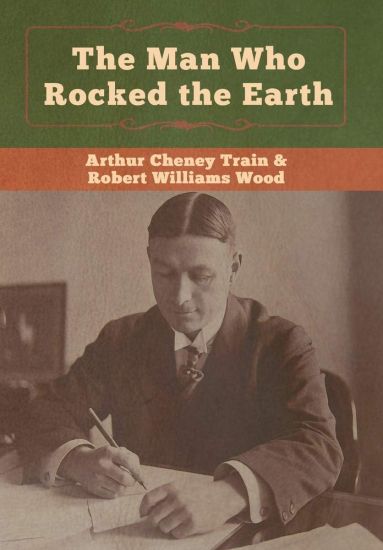
The Man Who Rocked the Earth

The Man Who Rocked the Earth

Arthur Cheney Train; Robert Williams Wood

Bibliotech Press
2020
sidottu
Arthur Cheney Train (September 6, 1875 - December 22, 1945), also called Arthur Chesney Train, was an American lawyer and writer of legal thrillers, particularly known for his novels of courtroom intrigue and the creation of the fictional lawyer Mr. Ephraim Tutt. Train was born in Boston, Massachusetts on September 6, 1875. His father was lawyer Charles Russell Train, who served for many years as attorney general of Massachusetts, and his mother was Sara Maria Cheney. After attending St. Paul's School in Concord, New Hampshire, Train graduated with a BA from Harvard University in 1896 and LLB from Harvard Law School in 1899. In January 1901, Train became assistant in the office of the New York County District Attorney. In 1904 he started his literary career with the publication of the short story "The Maximilian Diamond" in Leslie's Monthly. He ran the two careers in parallel until 1908 when he left the District Attorney's office to open a general law practice in the Mutual Life Building at 34 Nassau Street in New York City. His 1907 novel, Mortmain, was one of the earliest works in the alien hand syndrome genre and was adapted into a 1915 film of the same name that is now lost. Several other works by Train were filmed, including Illusion (1929), His Children's Children (1923), and The Blind Goddess (1926). From 1915 to 1922, Train was in private practice as a lawyer with Charles Albert Perkins while continuing to write, not just novels but short stories, plays, and journalism. In 1919, he created the popular character of Mr. Ephraim Tutt, a wily old lawyer who supported the common man and always had a trick up his sleeve to right the law's injustices. Train wrote dozens of stories about Tutt in the Saturday Evening Post. The fictional Ephraim Tutt became "the best known lawyer in America," particularly after the appearance of Yankee Lawyer, an immensely popular book that purported to be Tutt's autobiography. Train also coauthored two science fiction novels with eminent physicist Robert W. Wood. After 1922, he devoted himself to writing. (wikipedia.org)
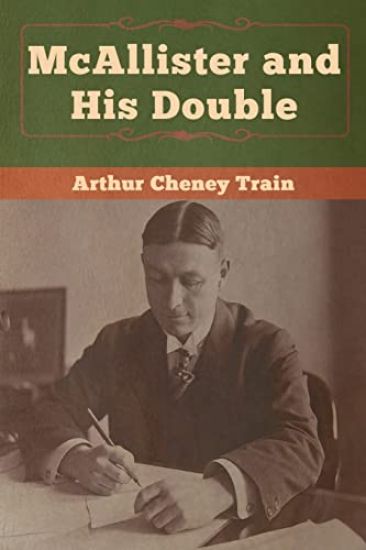
McAllister and His Double

McAllister and His Double

Arthur Cheney Train

Bibliotech Press
2020
pokkari
Arthur Cheney Train (September 6, 1875 - December 22, 1945), also called Arthur Chesney Train, was an American lawyer and writer of legal thrillers, particularly known for his novels of courtroom intrigue and the creation of the fictional lawyer Mr. Ephraim Tutt. Train was born in Boston, Massachusetts on September 6, 1875. His father was lawyer Charles Russell Train, who served for many years as attorney general of Massachusetts, and his mother was Sara Maria Cheney. After attending St. Paul's School in Concord, New Hampshire, Train graduated with a BA from Harvard University in 1896 and LLB from Harvard Law School in 1899. In January 1901, Train became assistant in the office of the New York County District Attorney. In 1904 he started his literary career with the publication of the short story "The Maximilian Diamond" in Leslie's Monthly. He ran the two careers in parallel until 1908 when he left the District Attorney's office to open a general law practice in the Mutual Life Building at 34 Nassau Street in New York City. His 1907 novel, Mortmain, was one of the earliest works in the alien hand syndrome genre and was adapted into a 1915 film of the same name that is now lost. Several other works by Train were filmed, including Illusion (1929), His Children's Children (1923), and The Blind Goddess (1926). From 1915 to 1922, Train was in private practice as a lawyer with Charles Albert Perkins while continuing to write, not just novels but short stories, plays, and journalism. In 1919, he created the popular character of Mr. Ephraim Tutt, a wily old lawyer who supported the common man and always had a trick up his sleeve to right the law's injustices. Train wrote dozens of stories about Tutt in the Saturday Evening Post. The fictional Ephraim Tutt became "the best known lawyer in America," particularly after the appearance of Yankee Lawyer, an immensely popular book that purported to be Tutt's autobiography. Train also coauthored two science fiction novels with eminent physicist Robert W. Wood. After 1922, he devoted himself to writing. (wikipedia.org)

The Goldfish

The Goldfish

Arthur Cheney Train

Createspace Independent Publishing Platform
2017
nidottu
The Goldfish By Arthur Cheney Train Frank, interesting criticism of life on the top wave of financial and social success, written in the first person by a man of fifty. A comparison of his own life and family with that of his stenographer, who is both wise and simple, makes him see the opportunities he has missed and leaves him with his wife determined to get out of the "goldfish bowl." We are delighted to publish this classic book as part of our extensive Classic Library collection. Many of the books in our collection have been out of print for decades, and therefore have not been accessible to the general public. The aim of our publishing program is to facilitate rapid access to this vast reservoir of literature, and our view is that this is a significant literary work, which deserves to be brought back into print after many decades. The contents of the vast majority of titles in the Classic Library have been scanned from the original works. To ensure a high quality product, each title has been meticulously hand curated by our staff. Our philosophy has been guided by a desire to provide the reader with a book that is as close as possible to ownership of the original work. We hope that you will enjoy this wonderful classic work, and that for you it becomes an enriching experience.