Kirjojen hintavertailu – 12 903 725 kirjaa ja 27 kauppaa

Kirjailija

Arthur J. McIvor

Kirjat ja teokset yhdessä paikassa: 3 kirjaa, julkaisuja vuosilta 1996–2004, suosituimpiin kuuluu Organised Capital. Vertaile teosten hintoja ja tarkista saatavuus suomalaisista kirjakaupoista.

3 kirjaa

Kirjojen julkaisuvuodet: 1996–2004.

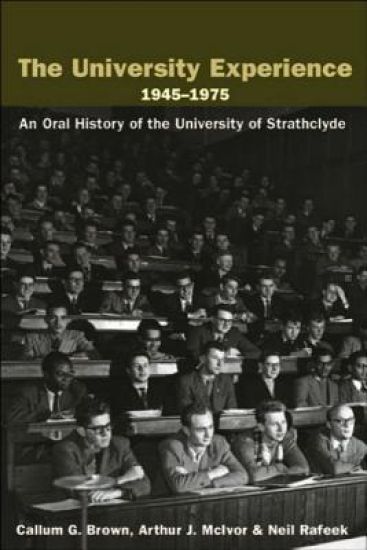
The University Experience 1945-1975

The University Experience 1945-1975

Callum G Brown; Arthur J. McIvor; Neil Rafeek

Edinburgh University Press
2004
nidottu
This is the first book devoted to an oral history of a British university during the 'swinging sixties'. Students, lecturers and support staff are interviewed about teaching and working on campus in the mid-twentieth century. Told in their own words, it is a story of struggle and sacrifice, pride and commitment. It reveals how the modern university transformed lives, how new technologies propelled path-breaking research, and how with new skills its graduates could remodel society. The University of Strathclyde was created in central Glasgow in 1964 from the merger of two higher-education colleges. The Andersonian started in 1796 as Britain's first college to offer technical-based higher education to both women and artisans, whilst the Commercial College's opening literary night in 1847 was chaired by Charles Dickens. By the 1950s, both colleges still offered students 'useful knowledge' in engineering and commercial subjects, and launched them into local employment according to family traditions. But then in the mid-1960s, industrial decline struck Glasgow. Against the backdrop of the city's tough reputation and devastating social problems, lecturers and students with a mission to improve society came to a new University that offered opportunity -- especially to women, mature students, the working classes and minority groups. Eschewing institutional history, this book debunks the myth of the drop-out generation of sixties' students, their drugs and underground culture. It shows how one University developed as a community of the dedicated and brilliant, creating the learning and researching environment which made 'Going to the Unie' the classic formative experience of the British people in the late twentieth century.
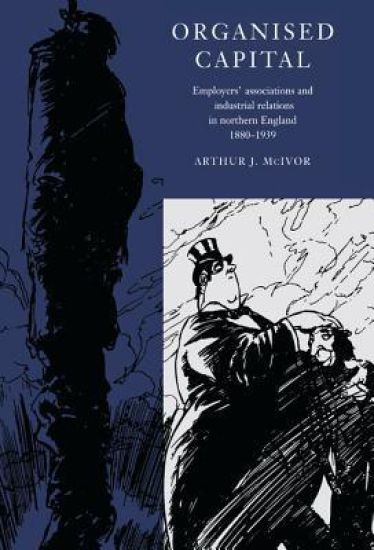
Organised Capital

Organised Capital

Arthur J. McIvor

Cambridge University Press
2002
pokkari
This detailed study contributes to an expanding field of interest: the social history of industrial employers. Using previously untapped primary sources, Organised Capital explores the emergence of employers’ organisations in northern England and analyses their policies during the heyday of collective activity. Arthur McIvor evaluates the impact of trade unionism, state intervention, war, economic recession and changing product markets on these organisations, charting their role and patterns of growth. He challenges notions of a monolithic employer group and crude economic determinism, while also rejecting ‘revisionist’ accounts of weak and ineffective employers. Instead, he reaches a more balanced appraisal of these institutions’ role in capital-labour relations and the pursuit of employers’ class interests. This book will be of interest both to historians and to students of industrial relations.
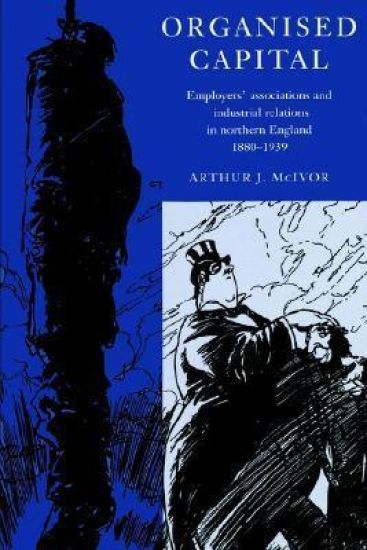
Organised Capital

Organised Capital

Arthur J. McIvor

Cambridge University Press
1996
sidottu
This detailed study contributes to an expanding field of interest: the social history of industrial employers. Using previously untapped primary sources, Organised Capital explores the emergence of employers’ organisations in northern England and analyses their policies during the heyday of collective activity. Arthur McIvor evaluates the impact of trade unionism, state intervention, war, economic recession and changing product markets on these organisations, charting their role and patterns of growth. He challenges notions of a monolithic employer group and crude economic determinism, while also rejecting ‘revisionist’ accounts of weak and ineffective employers. Instead, he reaches a more balanced appraisal of these institutions’ role in capital-labour relations and the pursuit of employers’ class interests. This book will be of interest both to historians and to students of industrial relations.