Kirjojen hintavertailu – 12 903 725 kirjaa ja 27 kauppaa

Kirjailija

Arthur Millner

Kirjat ja teokset yhdessä paikassa: 3 kirjaa, julkaisuja vuosilta 2015–2025, suosituimpiin kuuluu Damascus Tiles. Vertaile teosten hintoja ja tarkista saatavuus suomalaisista kirjakaupoista.

3 kirjaa

Kirjojen julkaisuvuodet: 2015–2025.

Damascus Tiles

Damascus Tiles

Arthur Millner; Sheila Canby

Prestel
2025
sidottu

Halvin toimitettuna 46,60 €

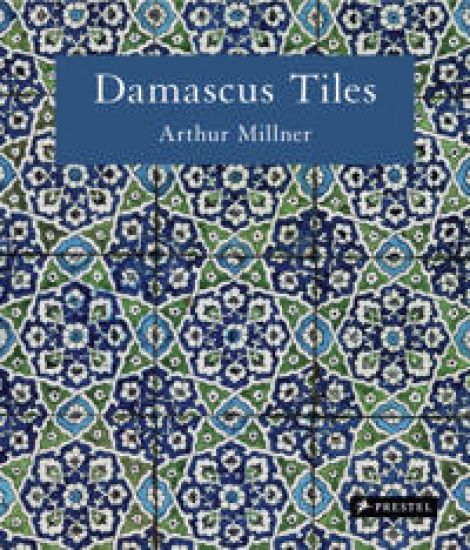
Now repackaged in a smaller, reduced priced edition, this highly acclaimed book by a leading Islamic art expert explores one of art history’s most overlooked treasures—the vibrant ceramic tiles of Syria and especially its capital Damascus. Architectural ceramic decoration is one of the most celebrated manifestations of the arts of Islam. Spanning a period from the thirteenth to the twentieth century, the tiles featured in this book exhibit a rich range of influences from Persia, Turkey, China and even Europe. A renowned specialist in the fields of Islamic and Indian art, Arthur Millner explores the historical context that allowed the uniquely creative achievement of Syrian craftsmen to flourish, and why tiles from this region are less restricted in artistic expression than those from better-known centers of production. The complex and interconnected nature of tile designs, techniques and color palettes is explored, highlighting what is distinctive about Damascus ceramics and how they relate to tiles produced in other parts of the Islamic world. Finally, the author traces the journey made by many of these tiles to the West, embellishing the interiors of wealthy clients as Islamic art became both fashionable and influential in late nineteenth century art and design. This edition has been updated with additional information, as well as reflecting recent academic research and events in the region.
Indian Tiles

Indian Tiles

Arthur Millner

Prestel
2021
sidottu
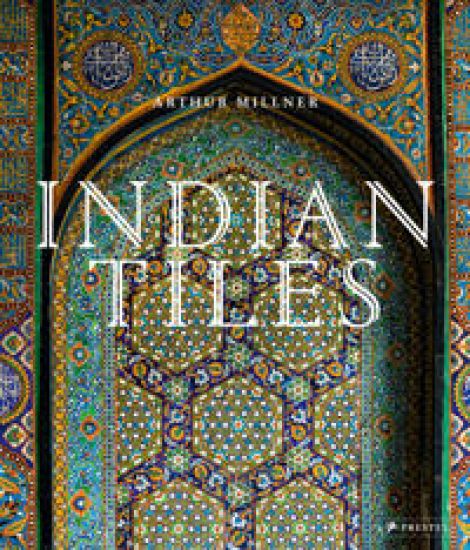
Historic India, which now encompasses the modern nations of India, Pakistan and Bangladesh, is celebrated for the richness of its architectural and decorative arts, but less well known for glazed tiles. Arthur Millner opens up this hitherto neglected subject with a richly illustrated narrative. Millner traces the craft’s roots in Muslim Persia, Afghanistan and Central Asia, showing how imported glazing techniques combined with an ancient local tradition of clay craftsmanship. He explores the production, designs and influences in Indian tiles from antiquity to the colonial period, tracing the historical evolution through a series of key eras, including the Delhi Sultanate and the Mughal Empire in Northern India. Although glazed tiles are generally associated with Islam, they also briefly flourished in both Hindu strongholds, such as Gwalior and Orchha, and in Christian Portuguese-ruled Goa. More than four hundred photographs, many of little-known sites, are drawn from the author’s years of travel as well as from colleagues, the V&A Museum archives and other celebrated institutions. These images capture the architectural context and beauty of the designs, providing a visual compendium of styles and techniques. Taken together they offer a unique chronicle of an environmentally threatened aspect of the region’s cultural, artistic and religious evolution over centuries.
Damascus Tiles

Damascus Tiles

Arthur Millner

Prestel
2015
sidottu
Architectural ceramic decoration is one of the most celebrated manifestations of the arts of Islam. Spanning a period from the 13th to the 20th century, the tiles featured in this book exhibit a rich range of influences from Persia, Turkey, China and even Europe. A renowned specialist in the field of Islamic and Indian art, Arthur Millner explores the historical context that allowed the uniquely creative achievement of Syrian craftsmen to flourish, and why tiles from this region are less restricted in artistic expression than those from better-known centers of production. The complex and interconnected nature of tile designs, techniques and color palettes is explored, highlighting what is distinctive about Damascus ceramics and how they relate to tiles produced in other parts of the Islamic world. Finally, the author traces the journey made by many of these tiles to the West, embellishing the interiors of wealthy clients as Islamic art became both fashionable and influential in late-19th-century art and design.