Kirjojen hintavertailu – 12 903 725 kirjaa ja 27 kauppaa
Kirjailija
Arthur Rüegg
Kirjat ja teokset yhdessä paikassa: 5 kirjaa, julkaisuja vuosilta 2012–2024, suosituimpiin kuuluu The Atlas of Furniture Design. Vertaile teosten hintoja ja tarkista saatavuus suomalaisista kirjakaupoista.
Mateo Kries; Jochen Eisenbrand; Henrike Büscher; Fulvio Ferrari; Otakar Mácel; Jane Pavitt; Ingeborg de Roode; Arthur Rüegg; Deyan Sudjic; Wolf Tegethoff; Carsten Thau; et al
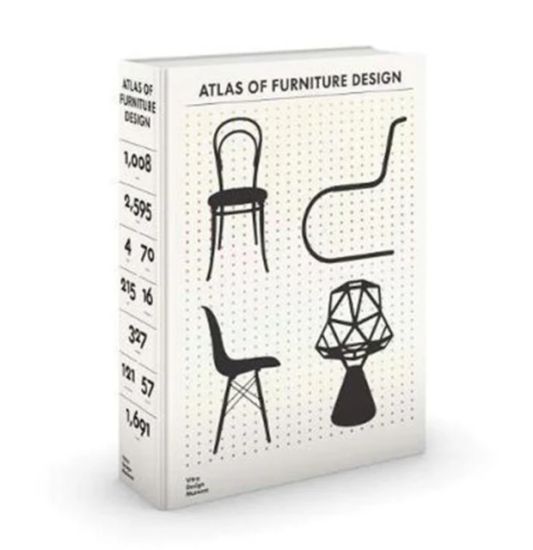
In 2019, the Vitra Design Museum will publish the Atlas of Furniture Design, the definitive, encyclopedic overview of the history of modern furniture design. Featuring over 1700 objects by more than 500 designers and 121 manufacturers, it includes approximately 2800 images ranging from detailed object photographs to historical images documenting interiors, patents, brochures, and related works of art and architecture. The basis for the Atlas of Furniture Design is the collection held by the Vitra Design Museum, one of the largest of its kind with more than 7000 works. The book presents selected pieces by the most important designers of the last 230 years and documents key periods in design history, including early nineteenth-century industrial furniture in bentwood and metal, Art Nouveau and Secessionist pieces and works by protagonists of classical modernism and postwar design, as well as postmodern and contemporary pieces. The Atlas of Furniture Design employed a team of more than 70 experts and features over 550 detailed texts about key objects. In-depth essays provide sociocultural and design-historical context to four historical epochs of furniture design and the pieces highlighted here, enriched by a detailed annex containing designer biographies, glossaries, and elaborate information graphics. The Atlas of Furniture Design is an indispensable resource for collectors, scholars and experts, as well as a beautifully designed object that speaks to design enthusiasts.
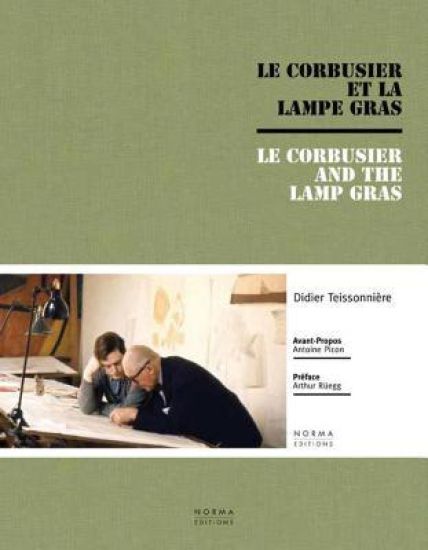
This book traces the history of an encounter between a remarkable invention, half-industrial half-design object, and one of the most famous architects of the 20th century. Created in 1921, the Gras lamp holds a unique place in the history of lighting. A revolutionary design of marvellous simplicity, its original purpose was to meet the needs of the booming manufacturing and retail sectors. The young Le Corbusier, passionate about the challenges of interior lighting, adopted it as his own from the early 1920s on. Thanks to its remarkable functionality, this lamp also perfectly corresponded to his desire to break with decoration and ornament, and the architect went on to utilise it in his studio in the rue de Sevres in Paris as well as his home. He also placed it in many of the interiors of the houses he designed: the Villa Le Lac (Switzerland), the Villa La Roche (Paris), the Guiette House (Antwerp), the Villa Savoye (Poissy), and the villa belonging to his friend Eileen Gray in Roquebrune-Cap-Martin. Relying on rich photographic documentation from the period, the book goes through the history of the Gras lamp, its patents and various models, but it also enables the reader to rediscover Le Corbusier's interior designs through the prism of this icon of design, as he was one of this lamp's main promoters in modern times. Text in English and French. AUTHOR: Didier Teissonniere opened Galerie Teisso in 1999 in the Marais district of Paris. There, he has been living his passion for the great icons of modernity, whether in the form of anonymous objects or those designed by Jean Prouve, Charlotte Perriand, Le Corbusier, and Charles and Ray Eames. Arthur Ruegg, a professor at the Swiss Federal Institute of Technology, Switzerland, is a specialist on Le Corbusier and the author of the Le Corbusier. Furniture and Interiors 1905-1965, Scheidegger & Spiess, 2012. Antoine Picon teaches the history of architecture at Harvard. Educated as an engineer, he is also the director of research at the Ecole nationale des ponts et chaussees and president of the Fondation Le Corbusier. 56 colour and 39 b/w illustrations
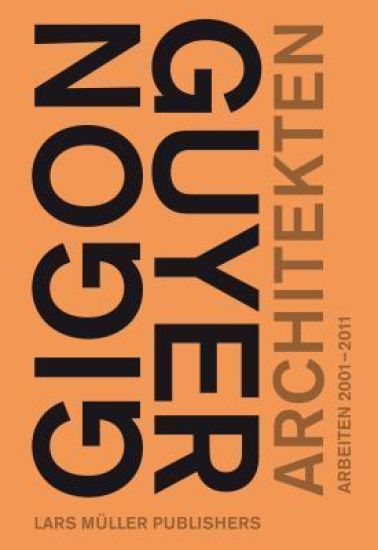
The monograph provides a sharply focused insight into how Annette Gigon and Mike Guyer understand architecture. The various concepts as well as the different constructions, materials, forms and colors that they employ in their projects are presented in an exhaustive documentation of their work that uses numerous photographs, plans and short texts. The three essays as well as a discussion between Patrick Gmur, Martin Steinmann and the architects offer in-depth reflection and contextualization.