Kirjailija
Arthur Waley
Kirjat ja teokset yhdessä paikassa: 79 kirjaa, julkaisuja vuosilta 1958–2026, suosituimpiin kuuluu The Pillow Book of SEI Shonagon. Vertaile teosten hintoja ja tarkista saatavuus suomalaisista kirjakaupoista.
79 kirjaa
Kirjojen julkaisuvuodet: 1958–2026.
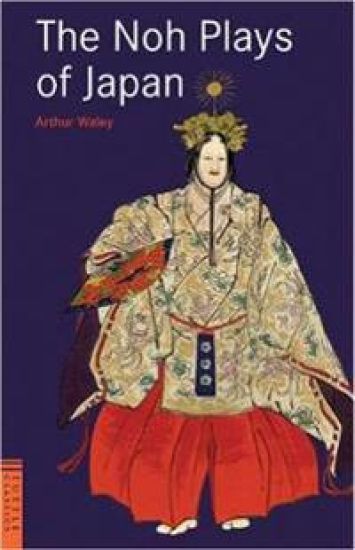
The Noh Plays of Japan is the most respected collection of Noh plays in English. The classic Japanese plays can be read for their great literary merit and also provide the reader with an understanding of a unique theatre art and important insights into the cultural, spiritual and artistic traditions of Japan. The Noh Plays of Japan, first published in 1921 and justly famous for more than three-quarters of a century, established the Noh play for the Western reader as beautiful literature. It contains Arthur Waley's exquisite translations of nineteen plays and summaries of sixteen more, together with a revealing introductory essay that furnishes the background for a clear understanding and a genuine appreciation of the Noh as a highly significant dramatic form. Noh plays live on as a magnificent artistic heritage handed down from the high culture of medieval Japan. Among the major types of Japanese drama, the Noh, which is often called the classical theatre of Japan, has had perhaps the greatest attraction for the West. Introduced to Europe and America through the translations of Arthur Waley and Ezra Pound, it found an ardent admirer in William Butler Yeats, who described it as a form of drama "distinguished, indirect, and symbolic" and created plays in its image.
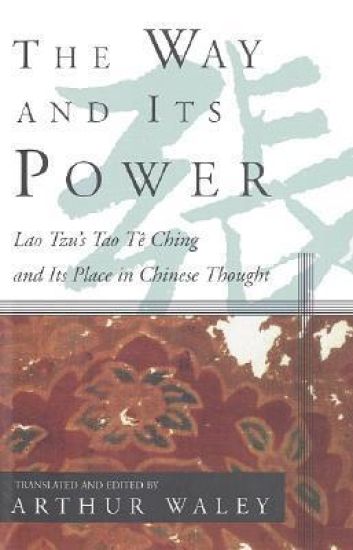
First published in 1934. Unlike previous translations, this translation of Lao Tzu's Tao Tê Ching is based not on the medieval commentaries but on a close study of the whole of early Chinese literature.
First published in 1952. The Real Tripitaka gives an account of the seventh century pilgrim's adventures, spiritual and material, both in India and after his return to China. In addition the book contains an account of a Japanese pilgrim's visit to China in the ninth century, which describes the Wu-t'ai Shan, China's great place of Pilgrimage, and an eye-witness's account of the great persecution of Buddhism in 842-845 A. D.
First published in 1960. Over a century ago the Chinese discovered in a sealed-up cave in the west of China a collection of manuscripts dating from the fifth century to the end of the tenth. These included many specimens of popular literature of a kind that was not previously known to exist. Although the find was made long ago, only two or three of these pieces had been translated before. Arthur Waley here translates, whole or as extracts, twenty-six pieces, making an invaluable addition to world literature.
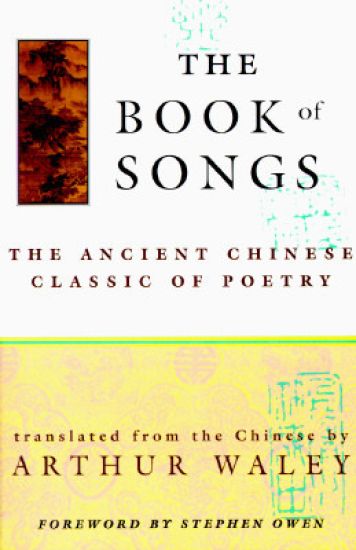
First published in 1937. The Book of Songs is a collection of ancient Chinese songs, dating from 800 to 600 B. C. Until this was published in 1937 it had not been translated into English since the middle of nineteenth century, when sinology was still in its infancy. For the first time the original meaning of 290 out of the 305 songs is given, use being made of the advances in the study of old Chinese. The result is not merely a clear picture of early Chinese life, but also the restoration to its proper place in world literature of one of the finest collection of traditional songs.
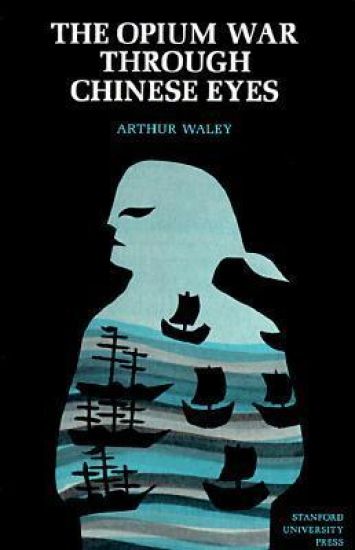
First published in 1958. This volume translates and places in the appropriate historical context a number of private documents, such as diaries, autobiographies and confessions, which explain what the Opium War felt like on the Chinese side.
First published in 1949. This book gives the biographical background to the many poems of Po Chü-I (A. D 772-846) and traces the connection between his literary career and the disturbed political life of the time. The volume also provides new translations in whole or in part of about a hundred poems by Po Chü-i.
First published in 1938. Previous translations of the Analects of Confucius are based upon a medieval interpretation which reflects the philosophy of the 12th century A. D rather than of the 5th century B. C., when Confucius lived. This book detaches the Analects from the Scholastic interpretation and lets these famous sayings speak for themselves.
First published in 1963. The Secret History (so called merely because it was meant for the Mongols and not for the Chinese,) has been chiefly studied from a learned point of view and its quality as literature and hence its value to the lay reader have been greatly overlooked. The Chinese version has been used, but with constant reference to the Mongol text. The parts selected (founded on story-tellers' tales) date from the middle of the thirteenth century.
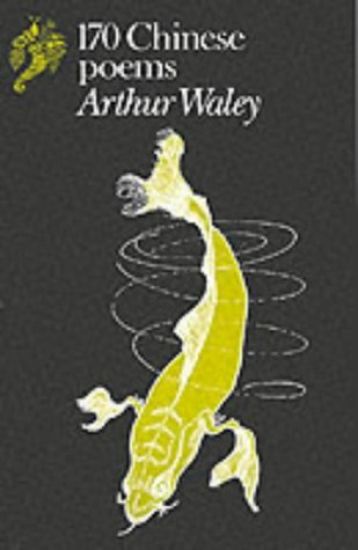
First published in 1946. Here in one volume is a collection of Arthur Waley's translations of Chinese poetry. The book includes some poems from The Book of Songs and 170 Chinese Poems, More Translations and The Temple. Some old translations have been revised and new notes and explanatory material added.
First published in 1939. This book consists chiefly of extracts from Chuang Tzu, Mencius and Han Fei Tzu. Chuang Tzu's appeal is to the imagination; the appeal of mencius is to the moral feelings; realism, as expounded by Han Fei Tzu, finds a close parallel in modern Totalitarianism and as a result these extracts from a book of the third century B. C. nonetheless have a very contemporary connection.
The Book of Songs
Arthur Waley
Grove Press / Atlantic Monthly Press
1996
sidottu
Halvin toimitettuna 20,90 €
A scholarly translation of the ancient collection of poems known as the Confucian Odes
Dr. Waley reviews China's prehistory, early philosophy, and literature in this treatise
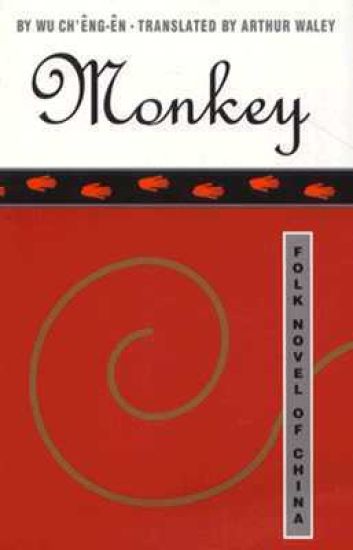
Monkey: Folk Novel of China
Arthur Waley
Grove Press / Atlantic Monthly Press
1994
nidottu
Halvin toimitettuna 25,30 €
Probably the most popular book in the history of the Far East, this classic combination of picaresque novel and folk epic mixes satire, allegory, and history into a rollicking tale. It is the story of the rougish Monkey and his encounters with major and minor spirits, gods, demigods, demons, ogres, monsters, and fairies. This translation, by the distinguished scholar Arthur Waley, is the first accurate English version; it makes available to the Western reader a faithful reproduction of the spirit and meaning of the original.
A stunning collection of Chinese poetry.
A Stanford University Press classic.