Kirjojen hintavertailu – 12 903 725 kirjaa ja 27 kauppaa

Kirjailija

Artwell Nhemachena

Kirjat ja teokset yhdessä paikassa: 6 kirjaa, julkaisuja vuosilta 2017–2023, suosituimpiin kuuluu From African Peer Review Mechanisms to African Queer Review Mechanisms?. Vertaile teosten hintoja ja tarkista saatavuus suomalaisista kirjakaupoista.

6 kirjaa

Kirjojen julkaisuvuodet: 2017–2023.

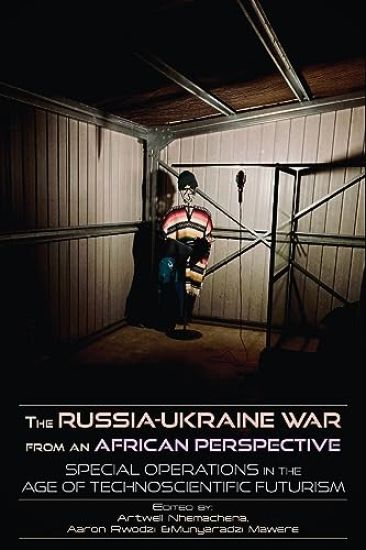
The Russia-Ukraine War from an African Perspective

The Russia-Ukraine War from an African Perspective

Artwell Nhemachena; Aaron Rwodzi; Munyaradzi Mawere

Langaa RPCID
2023
pokkari
In the Russia-Ukraine war, attention has been focused on the "Special Military Operation" This book argues that there are many other special operations, in various other arenas in the world, that deserve equal and urgent attention. Connecting special military operations to what it calls special economic operations, special cultural operations, special technological operations, special sexual operations and special political operations, the book argues that special operations are not exclusive. AIso drawing on topical debates about technoscience, the book critically examines invasive technologies in relation to bodily autonomy, integrity and privacy, and it urges scholars and thinkers to compare these invasive technological operations to invasive special military operations. The book grapples with the future of humanity in a world where the human is decentred even as the world is witnessing the proliferation of resource wars. The book is relevant for scholars in anthropology, sociology, politics, government studies, international relations, history, media studies, science and technology studies and disaster management.
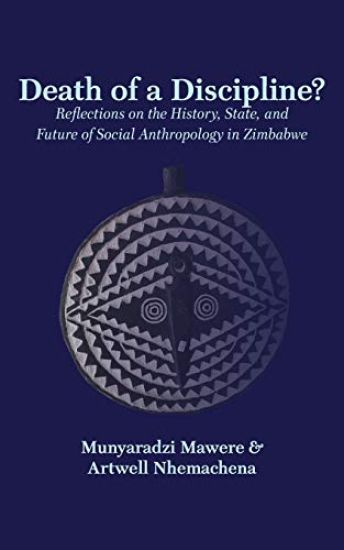
Death of a Discipline?

Death of a Discipline?

Munyaradzi Mawere; Artwell Nhemachena

Langaa RPCID
2017
pokkari
This is a book on the state of social anthropology as an academic discipline in contemporary Zimbabwe. The authors are frustrated and disheartened by a problematic visibility and sluggish growth of the discipline in the country. The book makes an important claim that the future and vibrancy of anthropology in Zimbabwe, lies in how well anthropologists in the country and in the diaspora are able to join efforts in articulating, debating and enhancing its relevance and vitality. The book provides a critical overview and nuanced analyses of the role and continued relevance of the discipline in reading and interpreting the social unfolding of everyday life. It is a vital text for understanding and contextualising histories and trends in the development of social anthropology in Zimbabwe and how anthropologists in the country navigate the tumultuous waters and struggles that have engrossed the discipline since colonial times. The book has the capacity to generate added insights and influence national, continental, and global debates and trends in the field.