Kirjailija
Arundhati Roy
Kirjat ja teokset yhdessä paikassa: 69 kirjaa, julkaisuja vuosilta 1998–2026, suosituimpiin kuuluu Turvani ja myrskyni. Vertaile teosten hintoja ja tarkista saatavuus suomalaisista kirjakaupoista.
69 kirjaa
Kirjojen julkaisuvuodet: 1998–2026.

Den prisbelönta och internationellt kända författaren av Den yttersta lyckans ministerium och De små tingens gud, Arundhati Roy, avslöjar i Vandra med kamrater den brutala repression som den indiska regeringen bedriver i Indien. I detta intensivt engagerade reportage beskriver Roy, som haft obegränsade möjligheter att på plats följa en föga känd rebellrörelse i Indien, en händelseutveckling full av omskakande avslöjanden. Djupt inne i djungeln, under förevändning av att bekämpa maoistgerillan, bedriver den indiska regeringen ett skoningslöst och totalt krig mot de egna medborgarna. Detta krig dokumenteras endast i begränsad omfattning av en undfallande inhemsk press och understöds av storföretag, ivriga att lägga beslag på de sällsynta mineralerna under stamfolkens mark. Roy tar läsarna till de osedda frontlinjerna i denna pågående kamp och redogör för de månader hon tillbringade med gerillan i djungeln. Samtidigt som hon rapporterar om deras lokala strider, reser Roy den än större frågan om den globala kapitalismen överhuvudtaget är beredd att tolerera något samhälle utanför dess världsomspännande kontroll.

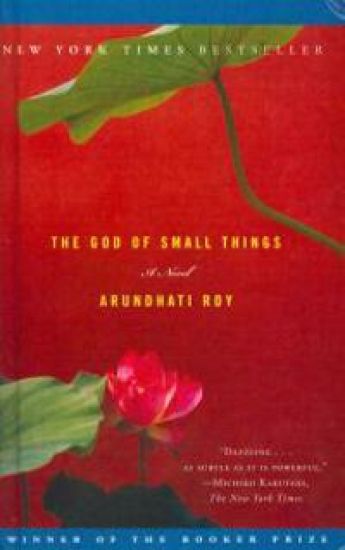
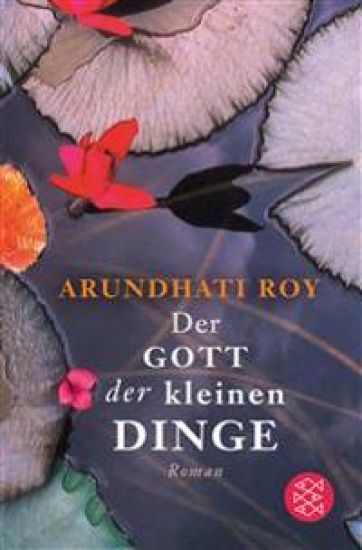
I den lille byen Ayemenem i den indiske delstaten Kerala bor den syrisk-kristne familien Kochamma, med de toeggede tvillingene Rahel og Estha. De vokser opp mellom syltetøy og pickles i sin blinde bestemor Mammachis fabrikk, i et politisk turbulent Kerala. Samholdet mellom søsknene er sterkt. Men en dag i 1969 snus verden på hodet, og de lærer at alt kan endres på et blunk, at liv kan vris i vonde retninger og til og med ta slutt, slik at ingen ting kan bli det samme igjen. Guden for små ting er en storslagen familie- og kjærlighetshistorie med det indiske kaste- og klassesamfunnet som klangbunn. Romanen ble en umiddelbar suksess da den utkom i 1997. Den ble tildelt den prestisjetunge Bookerprisen, er oversatt til over 40 språk, og er kåret til en av 1990-årenes ti viktigste bøker.
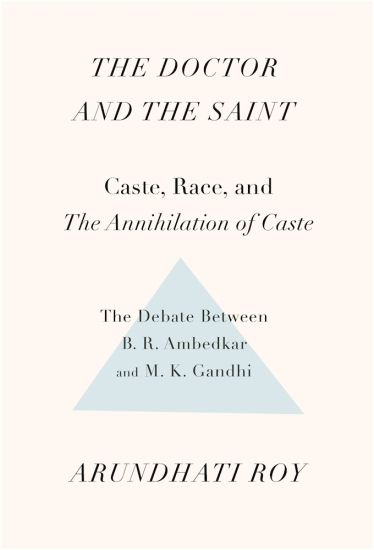
To best understand and address the inequality in India today, Arundhati Roy insists we must examine both the political development and influence of M. K. Gandhi and why B. R. Ambedkar's brilliant challenge to his near-divine status was suppressed by India's elite. In Roy's analysis, we see that Ambedkar's fight for justice was systematically sidelined in favor of policies that reinforced caste, resulting in the current nation of India: independent of British rule, globally powerful, and marked to this day by the caste system. This book situates Ambedkar's arguments in their vital historical context-- namely, as an extended public political debate with Mohandas Gandhi. "For more than half a century--throughout his adult life--[Gandhi's] pronouncements on the inherent qualities of black Africans, untouchables and the laboring classes remained consistently insulting," writes Roy. "His refusal to allow working-class people and untouchables to create their own political organizations and elect their own representatives remained consistent too." In The Doctor and the Saint, Roy exposes some uncomfortable, controversial, and even surprising truths about the political thought and career of India's most famous and most revered figure. In doing so she makes the case for why Ambedkar's revolutionary intellectual achievements must be resurrected, not only in India but throughout the world." Arundhati Roy is incandescent in her brilliance and her fearlessness."--Junot Diaz"The fierceness with which Arundhati Roy loves humanity moves my heart."--Alice Walker

From the bestselling author of The Ministry of Utmost HappinessAn extraordinary secret meeting between four brilliant political activists: Booker Prize-winner Arundhati Roy, NSA whistle-blower Edward Snowden, Pentagon Papers insider Daniel Ellsberg and acclaimed actor John Cusack'What sort of love is this love that we have for countries? What sort of country is it that will ever live up to our dreams? What sort of dreams were these that have been broken?'In 2014, four people met in secret in a hotel room in Moscow. Each was a leading global advocate for government transparency and accountability: they had come together to talk. Over the course of two days, Arundhati Roy, Edward Snowden, John Cusack and Daniel Ellsburg shared ideas and beliefs - about the Vietnam War and the Pentagon Papers, the NSA and the ongoing crises in the Middle East, the American government and the nature of activism. Co-authored by Roy and Cusack, and interleaving verbatim conversations with narrated recollections, this Penguin Special captures an historic moment. Interrogating the geopolitical forces that shape our world, it is both political and personal, activist and humanist - irreverent, funny and absolutely urgent. In Things That Can and Cannot Be Said, Arundhati Roy and John Cusack issue a powerful rallying cry, a call to resistance against America's ongoing, malign hegemony.
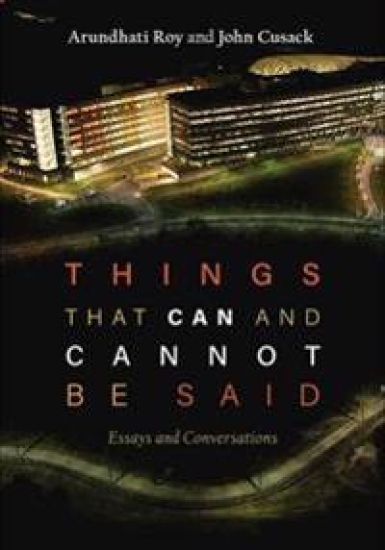
In late 2014, Arundhati Roy, John Cusack, and Daniel Ellsberg travelled to Moscow to meet with NSA whistleblower Edward Snowden. The result was a series of essays and dialogues in which Roy and Cusack reflect on their conversations with Snowden. In these provocative and penetrating discussions, Roy and Cusack discuss the nature of the state, empire, and surveillance in an era of perpetual war, the meaning of flags and patriotism, the role of foundations and NGOs in limiting dissent, and the ways in which capital but not people can freely cross borders. Arundhati Roy is a writer and global justice activist. From her celebrated Booker Prize-winning novel The God of Small Things, to her prolific output of writing on topics ranging from climate change to war, the perils of free-market "development" in India, and the defense of the poor, Roy's voice has become indispensable to millions seeking a better word. John Cusack is a writer, filmmaker, and a board member of the Freedom of the Press Foundation. He has written the screenplays for the movies Grosse Point Blank, High Fidelity, and War, Inc., with Mark Leyner and Jeremy Pikser, among many others. His writing has appeared widely, including the Guardian, Truthout, and Outlook India.
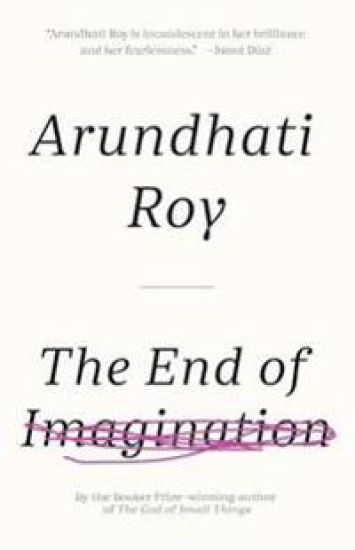
The End of Imagination brings together five of Arundhati Roy's acclaimed books of essays into one comprehensive volume for the first time and features a new introduction by the author. This new collection begins with her pathbreaking book The Cost of Living--published soon after she won the Booker Prize for her novel The God of Small Things--in which she forcefully condemned India's nuclear tests and its construction of enormous dam projects that continue to displace countless people from their homes and communities. The End of Imagination also includes her nonfiction works Power Politics, War Talk, Public Power in the Age of Empire, and An Ordinary Person's Guide to Empire, which include her widely circulated and inspiring writings on the U. S. invasions of Afghanistan and Iraq, the need to confront corporate power, and the hollowing out of democratic institutions globally.
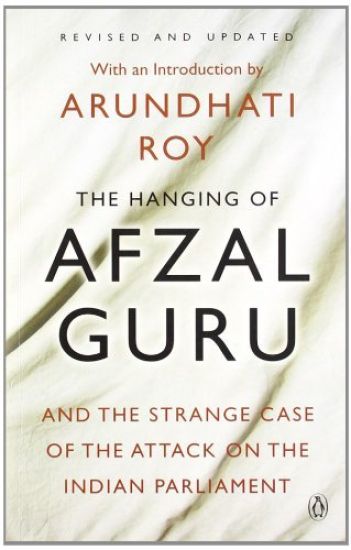
A comprehensive, sensitive view of one of the most controversial hangings of modern IndiaOn 13 December 2001, the Indian Parliament was attacked by a few heavily armed men. Eleven years later, we still do not know who was behind the attack, nor the identity of the attackers. Both the Delhi high court and the Supreme Court of India have noted that the police violated legal safeguards, fabricated evidence and extracted false confessions. Yet, on 9 February 2013, one man, Mohammad Afzal Guru, was hanged to 'satisfy' the 'collective conscience' of society. This updated reader brings together essays by lawyers, academics, journalists and writers who have looked closely at the available facts and who have raised serious questions about the investigations and the trial. This new version examines the implications of Mohammad Afzal Guru's hanging and what it says about the Indian government's relationship with Kashmir
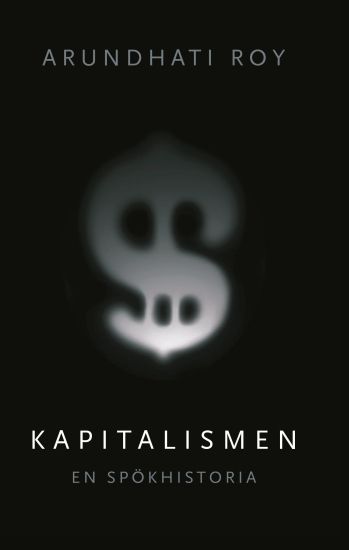
I Kapitalismen – en spökhistoria undersöker Arundhati Roy den Indiska demokratins mörka sidor – i ett land med 1,2 miljarder invånare, där de hundra rikaste personerna äger tillgångar motsvarande en fjärdedel av landets BNP. Det är ett svidande klarsynt porträtt av ett land hemsökt av vålnader: de hundratusentals bönder som begår självmord som den enda utvägen ur skuldbördan, de hundratals miljoner människor som lever på mindre än två dollar om dagen, de förgiftade floderna, de sinande brunnarna och de skövlade skogarna. Det här är berättelsen om hur världens största demokrati, där över 800 miljoner människor röstade i det senaste valet, ger efter för den oreglerade globala kapitalismens krav. Roy undersöker Indiens ”uppåtflödesekonomi”, hur den förstärker ett kastsystem som gynnar eliten och samtidigt får förödande konsekvenser för befolkningen i stort och för landets dyrbara naturresurser. Hon visar hur multinationella bolag sätter press på Indiens beslutsfattare, hur de med fysiskt våld – och myndigheternas hjälp – tvingar bort fattiga människor från deras jordar för att ge plats åt motorvägar, flygplatser, dammar, gruvor och fabriker och hur de gör medelklassen foglig med hjälp av det hon kallar ”företagsfilantropins sköna konst”. I Kapitalismen – en spökhistoria använder Roy sitt hemland Indien som exempel för att visa hur ekonomisk tillväxt ofta koncentreras i toppen och utarmar människorna i botten. Hon konstaterar: ”Den oändliga rättvisans matematik är outgrundlig.”
In Capitalism: A Ghost Story, best-selling writer Arundhati Roy examines the dark side of Indian democracy - a nation of 1.2 billion, where the country' s 100 richest people own assets worth one quarter of India's gross domestic product. Ferocious and clear-sighted, this is a searing portrait of a nation haunted by ghosts: the hundreds of thousands of farmers who have committed suicide to escape punishing debt; the hundreds of millions who live on less than two dollars a day. It is the story of how the largest democracy in the world, with over 800 million voting in the last election, answers to the demands of globalized capitalism, subjecting millions of people to inequality and exploitation. Roy shows how the mega-corporations, modern robber barons plundering India's natural resources, use brute force, as well as a wide range of NGOs and foundations, to sway government and policy making in India.
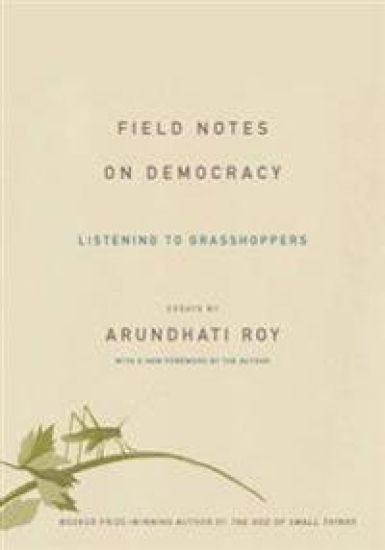
"Gorgeously wrought . . . pitch-perfect prose. . . . In language of terrible beauty, she takes India's everyday tragedies and reminds us to be outraged all over again."--Time Magazine "Roy asks whether our shriveled forms of democracy will be 'the endgame of the human race'--and shows vividly why this is a prospect not to be lightly dismissed."--Noam Chomsky "Roy is one of the most confident and original thinkers of our time."--Naomi Klein Now in paperback, with a new introduction by the author discussing the election of India's new prime minister Narendra Modi. This series of essays examines the dark side of democracy in contemporary India. It looks closely at how religious majoritarianism, cultural nationalism, and neo-fascism simmer just under the surface of a country that projects itself as the world's largest democracy. She describes the systematic marginalization of religious and ethnic minorities, the rise of terrorism, and the massive scale of displacement and dispossession of the poor by predatory corporations. Field Notes on Democracy tracks the fault-lines that threaten to destroy India's precarious democracy and send shockwaves through the region and beyond. Arundhati Roy is a world-renowned Indian author and global justice activist. From her celebrated Booker Prize-winning novel The God of Small Things to her prolific output of writing on topics ranging from climate change to war, the perils of free-market development in India, and the defense of the poor, Roy's voice has become indispensable to millions seeking a better world.
From the poisoned rivers, barren wells, and clear-cut forests, to the hundreds of thousands of farmers who have committed suicide to escape punishing debt, to the hundreds of millions of people who live on less than two dollars a day, there are ghosts nearly everywhere you look in India. India is a nation of 1.2 billion, but the country’s 100 richest people own assets equivalent to one-fourth of India’s gross domestic product. Capitalism: A Ghost Story examines the dark side of democracy in contemporary India, and shows how the demands of globalized capitalism has subjugated billions of people to the highest and most intense forms of racism and exploitation.
From the poisoned rivers, barren wells and clear-cut forests, to the hundreds of thousands of farmers who have committed suicide to escape punishing debt, to the hundreds of millions of people who live on less than two dollars a day, there are ghosts nearly everywhere you look in India. India is a nation of 1.2 billion, but the country’s 100 richest people own assets equivalent to one-fourth of India’s gross domestic product. Capitalism: A Ghost Story examines the dark side of democracy in contemporary India and shows how the demands of globalised capitalism have subjugated billions of people to the highest and most intense forms of racism and exploitation. From celebration Booker Prize-winning author, Arundhati Roy.

Four young British Muslims have been identified as the suicide bombers in London. Parts of the liberal press have pondered the question of how apparently nice young people could become embroiled in such fearful events. One young man was a proficient cricketer. Another was still a teenager.
From the award-winning author of The Ministry of Utmost Happiness and The God of Small Things comes a searing frontline expos of brutal repression in India In this fiercely reported work of nonfiction, internationally renowned author Arundhati Roy draws on her unprecedented access to a little-known rebel movement in India to pen a work full of earth-shattering revelations. Deep in the forests, under the pretense of battling Maoist guerillas, the Indian government is waging a vicious total war against its own citizens-a war undocumented by a weak domestic press and fostered by corporations eager to exploit the rare minerals buried in tribal lands. Roy takes readers to the unseen front lines of this ongoing battle, chronicling her months spent living with the rebel guerillas in the forests. In documenting their local struggles, Roy addresses the much larger question of whether global capitalism will tolerate any societies existing outside of its colossal control. "A riveting account . . . a necessary book by one of India's most distinctive voices." -Washington Post
'What happens once democracy has been used up? When it has been hollowed out and emptied of meaning?'Combining brilliant insight and razor-sharp prose, Listening to Grasshoppers is Arundhati Roy's essential exploration of the political picture in India today. In these essays she takes a hard look at the underbelly of the world's largest democracy and shows how the journey that Hindu nationalism and neo-liberal economic reforms began together in the early 1990s is unravelling in dangerous ways. Beginning with the state-backed killing of Muslims in Gujarat in 2002, and ending with an analysis of the November 2008 attacks on Mumbai, Listening to Grasshoppers tracks the fault-lines that threaten to destroy India's precarious future and, along the way, asks fundamental questions about democracy itself - a political system that has, by virtue of being considered 'the best available option', been put beyond doubt and correction.