Kirjojen hintavertailu – 12 903 724 kirjaa ja 27 kauppaa

Kirjailija

Ashley Casey

Kirjat ja teokset yhdessä paikassa: 8 kirjaa, julkaisuja vuosilta 2016–2025, suosituimpiin kuuluu Applying Models-based Practice in Physical Education. Vertaile teosten hintoja ja tarkista saatavuus suomalaisista kirjakaupoista.

8 kirjaa

Kirjojen julkaisuvuodet: 2016–2025.

Applying Models-based Practice in Physical Education

Applying Models-based Practice in Physical Education

Ashley Casey; David Kirk

TAYLOR FRANCIS LTD
2025
nidottu
This book is a concise, practical introduction to Models-based Practice (MbP), a transformative approach to physical education and sport pedagogy that uses multiple pedagogical models in the design and delivery of physical education programs. The book introduces the core concepts underpinning the MbP approach – including models such as teaching games for understanding, sport education, cooperative learning and health-based physical education – and examines its significance for teaching, learning, curriculum and assessment. With an emphasis on evidence-based practice and student learning, and full of practical tips and features to encourage critical thinking, the book explains how to develop successful, flexible and sustainable MbP programs that can deliver real educational and health and well-being benefits for children and young people, in schools or in after-school or community-based settings. Applying Models-based Practice in Physical Education is intended for current and prospective teachers of physical education who are responsible for organising and enacting programs at all grade levels. It will also be of interest to researchers, students and other sport pedagogy practitioners, such as coaches who are looking for new and innovative ways of working with children and young people.
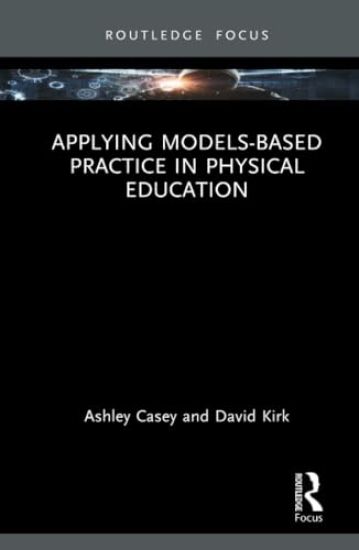
Applying Models-based Practice in Physical Education

Applying Models-based Practice in Physical Education

Ashley Casey; David Kirk

TAYLOR FRANCIS LTD
2024
sidottu
This book is a concise, practical introduction to Models-based Practice (MbP), a transformative approach to physical education and sport pedagogy that uses multiple pedagogical models in the design and delivery of physical education programs. The book introduces the core concepts underpinning the MbP approach – including models such as teaching games for understanding, sport education, cooperative learning and health-based physical education – and examines its significance for teaching, learning, curriculum and assessment. With an emphasis on evidence-based practice and student learning, and full of practical tips and features to encourage critical thinking, the book explains how to develop successful, flexible and sustainable MbP programs that can deliver real educational and health and well-being benefits for children and young people, in schools or in after-school or community-based settings. Applying Models-based Practice in Physical Education is intended for current and prospective teachers of physical education who are responsible for organising and enacting programs at all grade levels. It will also be of interest to researchers, students and other sport pedagogy practitioners, such as coaches who are looking for new and innovative ways of working with children and young people.
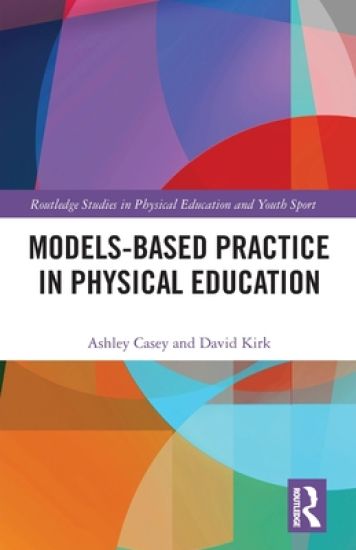
Models-based Practice in Physical Education

Models-based Practice in Physical Education

Ashley Casey; David Kirk

TAYLOR FRANCIS LTD
2022
nidottu
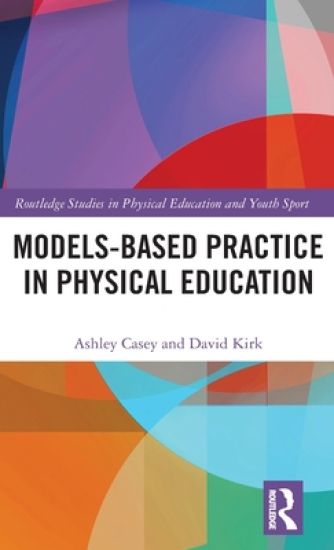
This book offers a comprehensive synthesis of over 40 years of research on models in physical education to suggest Models-based Practice (MbP) as an innovative future approach to physical education. It lays out the ideal conditions for MbP to flourish by situating pedagogical models at the core of physical education programs and allowing space for local agency and the co-construction of practice. Starting from the premise that true MbP does not yet exist, the book makes a case for the term "pedagogical model" over alternatives such as curriculum model and instructional model, and explains how learners’ cognitive, social, affective and psychomotor needs should be organised in ways that are distinctive and unique to each model. It examines the core principles underpinning the pedagogical models that make up MbP, including pedagogical models as organising centres for program design and as design specifications for developing local programs. The book also explores how a common structure can be applied to analyse pedagogical models at macro, meso and micro levels of discourse. Having created a language through which to talk about pedagogical models and MbP, the book concludes by identifying the conditions - some existing and some aspirational - under which MbP can prosper in reforming physical education. An essential read for academics, doctoral and post-graduate students, and pre-service and in-service teachers, Models-based Practice in Physical Education is a vital point of reference for anyone who is interested in pedagogical models and wants to embrace this potential future of physical education.
Models-based Practice in Physical Education

Models-based Practice in Physical Education

Ashley Casey; David Kirk

Routledge
2020
sidottu
This book offers a comprehensive synthesis of over 40 years of research on models in physical education to suggest Models-based Practice (MbP) as an innovative future approach to physical education. It lays out the ideal conditions for MbP to flourish by situating pedagogical models at the core of physical education programs and allowing space for local agency and the co-construction of practice. Starting from the premise that true MbP does not yet exist, the book makes a case for the term "pedagogical model" over alternatives such as curriculum model and instructional model, and explains how learners’ cognitive, social, affective and psychomotor needs should be organised in ways that are distinctive and unique to each model. It examines the core principles underpinning the pedagogical models that make up MbP, including pedagogical models as organising centres for program design and as design specifications for developing local programs. The book also explores how a common structure can be applied to analyse pedagogical models at macro, meso and micro levels of discourse. Having created a language through which to talk about pedagogical models and MbP, the book concludes by identifying the conditions - some existing and some aspirational - under which MbP can prosper in reforming physical education. An essential read for academics, doctoral and post-graduate students, and pre-service and in-service teachers, Models-based Practice in Physical Education is a vital point of reference for anyone who is interested in pedagogical models and wants to embrace this potential future of physical education.
Conducting Practitioner Research in Physical Education and Youth Sport

Conducting Practitioner Research in Physical Education and Youth Sport

Ashley Casey; Tim Fletcher; Lee Schaefer; Doug Gleddie

Routledge
2017
sidottu
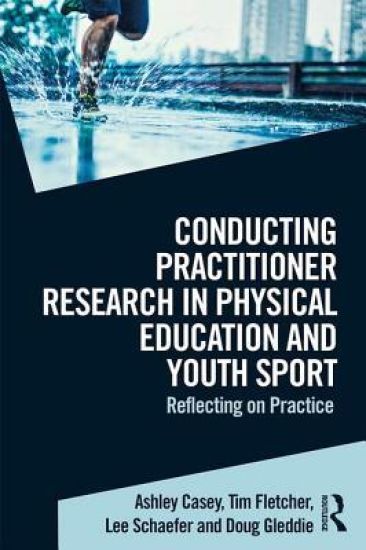
There is now a widespread expectation that teachers and coaches should be reflective practitioners, an expectation written into national standards of education in many countries. This innovative book introduces the methods by which teachers and coaches can conduct research into their own professional practice and therefore become more effective reflective practitioners, improving their students’ learning as a result. As the only book on practitioner research that focuses specifically on the unique challenges of working in a physical education or youth sport environment, it uses real-life case studies and applied practical examples to guide the reader through the research process step-by-step. Examining the what, why and how of four key research methods in particular – action research, narrative enquiry, autoethnography and self-study – it provides an expert analysis of the strengths and limitations of each method and demonstrates how conducting reflective research can produce tangible results in improving both teaching and learning. This is an invaluable resource for all those interested in enhancing their professional development as students, practitioners or researchers of physical education and youth sport.
Conducting Practitioner Research in Physical Education and Youth Sport

Conducting Practitioner Research in Physical Education and Youth Sport

Ashley Casey; Tim Fletcher; Lee Schaefer; Doug Gleddie

Routledge
2017
nidottu
There is now a widespread expectation that teachers and coaches should be reflective practitioners, an expectation written into national standards of education in many countries. This innovative book introduces the methods by which teachers and coaches can conduct research into their own professional practice and therefore become more effective reflective practitioners, improving their students’ learning as a result. As the only book on practitioner research that focuses specifically on the unique challenges of working in a physical education or youth sport environment, it uses real-life case studies and applied practical examples to guide the reader through the research process step-by-step. Examining the what, why and how of four key research methods in particular – action research, narrative enquiry, autoethnography and self-study – it provides an expert analysis of the strengths and limitations of each method and demonstrates how conducting reflective research can produce tangible results in improving both teaching and learning. This is an invaluable resource for all those interested in enhancing their professional development as students, practitioners or researchers of physical education and youth sport.
Cooperative Learning in Physical Education and Physical Activity
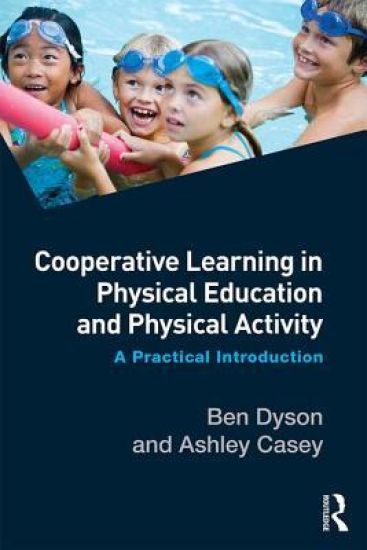
This book introduces Cooperative Learning as a research-informed, practical way of engaging children and young people in lifelong physical activity. Written by authors with over 40 years’ experience as teachers and researchers, it addresses the practicalities of using Cooperative Learning in the teaching of physical education and physical activity at any age range. Cooperative Learning in Physical Education and Physical Activity will help teachers and students of physical education to master research-informed strategies for teaching. By using school-based and real-world examples, it allows teachers to quickly understand the educational benefits of Cooperative Learning. Divided into four parts, this book provides insight into: Key aspects of Cooperative Learning as a pedagogical practice in physical education and physical activity Strategies for implementing Cooperative Learning at Elementary School level Approaches to using Cooperative Learning at Middle and High School level The challenges and advantages of practising Cooperative Learning Including lesson plans, activities and tasks, this is the first comprehensive guide to Cooperative Learning as a pedagogical practice for physical educators. It is essential reading for all students, teachers and trainee teachers of physical education and will also benefit coaches, outdoor educators and people who work with youth in the community.
Cooperative Learning in Physical Education and Physical Activity
This book introduces Cooperative Learning as a research-informed, practical way of engaging children and young people in lifelong physical activity. Written by authors with over 40 years’ experience as teachers and researchers, it addresses the practicalities of using Cooperative Learning in the teaching of physical education and physical activity at any age range. Cooperative Learning in Physical Education and Physical Activity will help teachers and students of physical education to master research-informed strategies for teaching. By using school-based and real-world examples, it allows teachers to quickly understand the educational benefits of Cooperative Learning. Divided into four parts, this book provides insight into: Key aspects of Cooperative Learning as a pedagogical practice in physical education and physical activity Strategies for implementing Cooperative Learning at Elementary School level Approaches to using Cooperative Learning at Middle and High School level The challenges and advantages of practising Cooperative Learning Including lesson plans, activities and tasks, this is the first comprehensive guide to Cooperative Learning as a pedagogical practice for physical educators. It is essential reading for all students, teachers and trainee teachers of physical education and will also benefit coaches, outdoor educators and people who work with youth in the community.