
Kirjojen hintavertailu – 12 903 725 kirjaa ja 27 kauppaa

Kirjailija

Ashley Compton

Kirjat ja teokset yhdessä paikassa: 5 kirjaa, julkaisuja vuosilta 2007–2011, suosituimpiin kuuluu Supporting Numeracy. Vertaile teosten hintoja ja tarkista saatavuus suomalaisista kirjakaupoista.

5 kirjaa

Kirjojen julkaisuvuodet: 2007–2011.

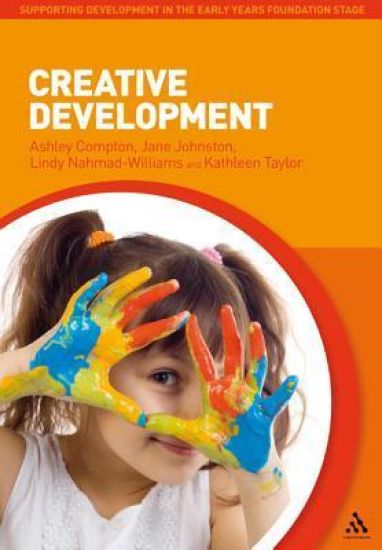
Creative Development

Creative Development

Ashley Compton; Jane Johnston; Lindy Nahmad-Williams; Kathleen Taylor

Continuum Publishing Corporation
2011
nidottu
This is a complete guide to supporting physical development in the Early Years Foundation Stage (EYFS), promoting a holistic approach and drawing on examples of good practice. "Creative Development" introduces this area of the Early Years Foundation Stage (EYFS) to trainee and qualified early years professionals. The creative development of children aged between 0-5 years is introduced within the context of the EYFS. A balanced approach to the Early Learning Goals is encouraged ensuring that key principles of good early years practice are maintained and developed, and the holistic development of the child is promoted. This user-friendly guide will support early years professionals to: reflect on current practice and develop skills; evaluate the implications of research for early years practice and provision; promote interdisciplinary teamwork between those who work with and support young children; meet the diverse needs of children at different developmental stages and ages; and, support children as they move within and beyond the EYFS. This series introduces each of the six areas of the Early Years Foundation Stage (EYFS): Personal, Social and Emotional Development; Language, Literacy and Communication; Problem Solving, Reasoning and Numeracy; Knowledge and Understanding of the World; Creative Development; and, Physical Development. Each book delivers accessible yet rigorous support for practitioners, whether training or qualified, in developing their professional understanding and practice in each of these Early Learning Goals. Whilst considering each area in turn, the aim throughout the series is to promote the holistic development of the child. Each volume includes: an introduction to the key area; consideration of the development of children in the key area from birth to 3 years; 3 to 5 years; and into 5 to 7 years; consideration of the holistic development of the child and the impact of that development on the key area being discussed; research evidence to support practice; practical examples of good practice; discussions on leadership in the key area; and, support in the development of pedagogical skills and reflective professional practice. In line with the aims of the EYFS, this series will help you in meeting the challenges that come with supporting the different needs of children, working in multi-professional partnerships, balancing the different areas of development, and supporting transitions within and beyond the EYFS.
Problem Solving, Reasoning and Numeracy

Problem Solving, Reasoning and Numeracy

Pat Beckley; Ashley Compton; Jane Johnston; Harriet Marland

Continuum Publishing Corporation
2011
nidottu
This is a complete guide to supporting problem solving, reasoning and numeracy in the Early Years Foundation Stage (EYFS), promoting a holistic approach and exploring good practice. "Problem Solving, Reasoning and Numeracy" introduces this area of the Early Years Foundation Stage (EYFS) to trainee and qualified early years professionals. This area of learning and development, problem solving, reasoning and numeracy, is introduced within the context of the development of children aged between 0-5 years in the Early Years Foundation Stage (EYFS). A balanced approach to the Early Learning Goals is encouraged ensuring that key principles of good early years practice are maintained and developed, and the holistic development of the child is promoted. This user-friendly guide will support early years professionals to: reflect on current practice and develop skills; evaluate the implications of research for early years practice and provision; promote interdisciplinary teamwork between those who work with and support young children; meet the diverse needs of children at different developmental stages and ages; and support children as they move within and beyond the EYFS. This series introduces each of the six areas of the Early Years Foundation Stage (EYFS): Personal, Social and Emotional Development; Language, Literacy and Communication; Problem Solving, Reasoning and Numeracy; Knowledge and Understanding of the World; Creative Development; and Physical Development. Each book delivers accessible yet rigorous support for practitioners, whether training or qualified, in developing their professional understanding and practice in each of these Early Learning Goals. Whilst considering each area in turn, the aim throughout the series is to promote the holistic development of the child. Each volume includes: an introduction to the key area; consideration of the development of children in the key area from birth to 3 years; 3 to 5 years; and into 5 to 7 years; consideration of the holistic development of the child and the impact of that development on the key area being discussed; research evidence to support practice; practical examples of good practice; discussions on leadership in the key area; and support in the development of pedagogical skills and reflective professional practice. In line with the aims of the EYFS, this series will help you in meeting the challenges that come with supporting the different needs of children, working in multi-professional partnerships, balancing the different areas of development, and supporting transitions within and beyond the EYFS.
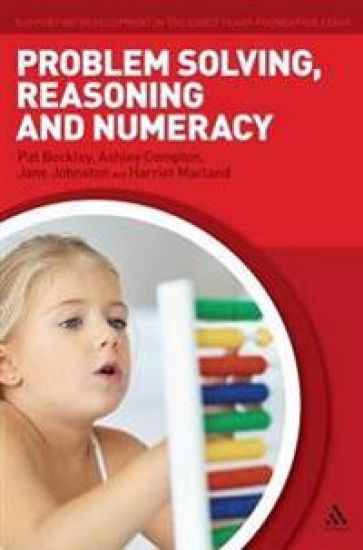
Problem Solving, Reasoning and Numeracy

Problem Solving, Reasoning and Numeracy

Pat Beckley; Ashley Compton; Jane Johnston; Harriet Marland

Continuum Publishing Corporation
2011
sidottu
This is a complete guide to supporting problem solving, reasoning and numeracy in the Early Years Foundation Stage (EYFS), promoting a holistic approach and exploring good practice. "Problem Solving, Reasoning and Numeracy" introduces this area of the Early Years Foundation Stage (EYFS) to trainee and qualified early years professionals. This area of learning and development, problem solving, reasoning and numeracy, is introduced within the context of the development of children aged between 0-5 years in the Early Years Foundation Stage (EYFS). A balanced approach to the Early Learning Goals is encouraged ensuring that key principles of good early years practice are maintained and developed, and the holistic development of the child is promoted. This user-friendly guide will support early years professionals to: reflect on current practice and develop skills; evaluate the implications of research for early years practice and provision; promote interdisciplinary teamwork between those who work with and support young children; meet the diverse needs of children at different developmental stages and ages; and support children as they move within and beyond the EYFS. This series introduces each of the six areas of the Early Years Foundation Stage (EYFS): Personal, Social and Emotional Development; Language, Literacy and Communication; Problem Solving, Reasoning and Numeracy; Knowledge and Understanding of the World; Creative Development; and Physical Development. Each book delivers accessible yet rigorous support for practitioners, whether training or qualified, in developing their professional understanding and practice in each of these Early Learning Goals. Whilst considering each area in turn, the aim throughout the series is to promote the holistic development of the child. Each volume includes: an introduction to the key area; consideration of the development of children in the key area from birth to 3 years; 3 to 5 years; and into 5 to 7 years; consideration of the holistic development of the child and the impact of that development on the key area being discussed; research evidence to support practice; practical examples of good practice; discussions on leadership in the key area; and support in the development of pedagogical skills and reflective professional practice. In line with the aims of the EYFS, this series will help you in meeting the challenges that come with supporting the different needs of children, working in multi-professional partnerships, balancing the different areas of development, and supporting transitions within and beyond the EYFS.
Creative Development

Creative Development

Ashley Compton; Jane Johnston; Lindy Nahmad-Williams; Kathleen Taylor

Continuum Publishing Corporation
2011
sidottu
This is a complete guide to supporting physical development in the Early Years Foundation Stage (EYFS), promoting a holistic approach and drawing on examples of good practice. "Creative Development" introduces this area of the Early Years Foundation Stage (EYFS) to trainee and qualified early years professionals. The creative development of children aged between 0-5 years is introduced within the context of the EYFS. A balanced approach to the Early Learning Goals is encouraged ensuring that key principles of good early years practice are maintained and developed, and the holistic development of the child is promoted. This user-friendly guide will support early years professionals to: reflect on current practice and develop skills; evaluate the implications of research for early years practice and provision; promote interdisciplinary teamwork between those who work with and support young children; meet the diverse needs of children at different developmental stages and ages; and, support children as they move within and beyond the EYFS. This series introduces each of the six areas of the Early Years Foundation Stage (EYFS): Personal, Social and Emotional Development; Language, Literacy and Communication; Problem Solving, Reasoning and Numeracy; Knowledge and Understanding of the World; Creative Development; and, Physical Development. Each book delivers accessible yet rigorous support for practitioners, whether training or qualified, in developing their professional understanding and practice in each of these Early Learning Goals. Whilst considering each area in turn, the aim throughout the series is to promote the holistic development of the child. Each volume includes: an introduction to the key area; consideration of the development of children in the key area from birth to 3 years; 3 to 5 years; and into 5 to 7 years; consideration of the holistic development of the child and the impact of that development on the key area being discussed; research evidence to support practice; practical examples of good practice; discussions on leadership in the key area; and, support in the development of pedagogical skills and reflective professional practice. In line with the aims of the EYFS, this series will help you in meeting the challenges that come with supporting the different needs of children, working in multi-professional partnerships, balancing the different areas of development, and supporting transitions within and beyond the EYFS.
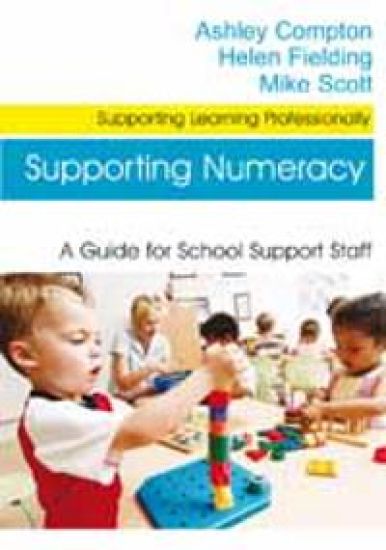
Supporting Numeracy

Supporting Numeracy

Ashley Compton; Helen Fielding; Mike Scott

SAGE Publications Inc
2007
nidottu
Numeracy is a core subject in schools, and this book will provide those supporting children in this subject area with tried and tested strategies for working with students, as well as the tools to improve their own subject knowledge. Advice is given on how to: " provide an overview of key maths topics; " introduce students to key issues surrounding the teaching of numeracy; " support learners who find it difficult to understand concepts, and stretch those who have grasped them easily; " show how numeracy links with other areas of the curriculum, and with everyday life. Each chapter covers a different aspect of mathematics, highlighting key teaching points and common misconceptions. Case studies from teaching assistants bring the topics alive, and there are tasks for the reader to try out, which will them develop their own understanding. This book is essential for reading for all teaching assistants and support staff in early years and primary settings. It is particularly useful for those studying for a Foundation Degree.