Kirjojen hintavertailu – 12 903 742 kirjaa ja 27 kauppaa

Kirjailija

Ashley Jardina

Kirjat ja teokset yhdessä paikassa: 4 kirjaa, julkaisuja vuosilta 2019–2025, suosituimpiin kuuluu White Identity Politics. Vertaile teosten hintoja ja tarkista saatavuus suomalaisista kirjakaupoista.

4 kirjaa

Kirjojen julkaisuvuodet: 2019–2025.

What's Happened to the Gender Gap in Political Activity?

What's Happened to the Gender Gap in Political Activity?

Shauna L. Shames; Sara Morell; Ashley Jardina; Kay Lehman Schlozman; Nancy Burns

Cambridge University Press
2025
pokkari
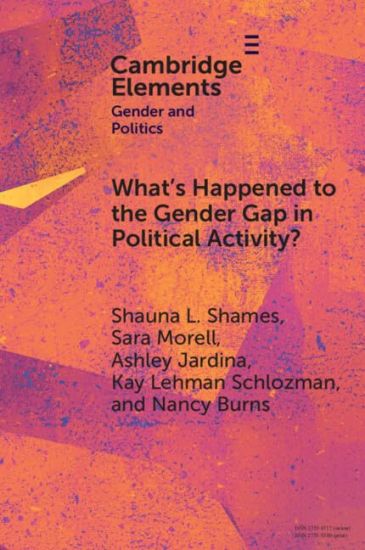
This Element considers recent changes to the long-standing pattern in US politics that women are less politically active than men. On one hand, the gender gap in political activity beyond voting has disappeared. On the other, the disparity remains when it comes to political money. What is the explanation? The Element begins with politics – both the long-term increase in women occupying political positions and the way that trends/events like MeToo, the defeat of Hillary Clinton, and Donald Trump's performative masculinity made gender salient. It then turns to social structural changes, examining in particular women's relative gains in income and, especially, education. Paying consistent attention to intersectional differences among men and among women, whether based on political party, race, or ethnicity, the authors find the explanation of these trends to be rooted not in politics, but rather in social structure. This title is also available as Open Access on Cambridge Core.
What's Happened to the Gender Gap in Political Activity?

What's Happened to the Gender Gap in Political Activity?

Shauna L. Shames; Sara Morell; Ashley Jardina; Kay Lehman Schlozman; Nancy Burns

Cambridge University Press
2025
sidottu
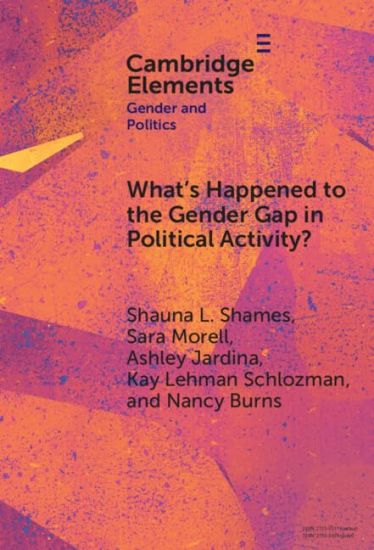
This Element considers recent changes to the long-standing pattern in US politics that women are less politically active than men. On one hand, the gender gap in political activity beyond voting has disappeared. On the other, the disparity remains when it comes to political money. What is the explanation? The Element begins with politics – both the long-term increase in women occupying political positions and the way that trends/events like MeToo, the defeat of Hillary Clinton, and Donald Trump's performative masculinity made gender salient. It then turns to social structural changes, examining in particular women's relative gains in income and, especially, education. Paying consistent attention to intersectional differences among men and among women, whether based on political party, race, or ethnicity, the authors find the explanation of these trends to be rooted not in politics, but rather in social structure. This title is also available as Open Access on Cambridge Core.
White Identity Politics

White Identity Politics

Ashley Jardina

Cambridge University Press
2019
pokkari
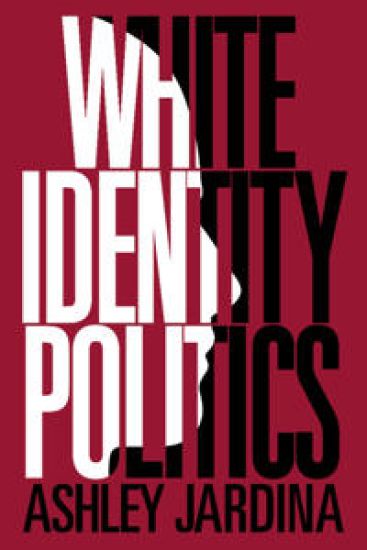
Amidst discontent over America's growing diversity, many white Americans now view the political world through the lens of a racial identity. Whiteness was once thought to be invisible because of whites' dominant position and ability to claim the mainstream, but today a large portion of whites actively identify with their racial group and support policies and candidates that they view as protecting whites' power and status. In White Identity Politics, Ashley Jardina offers a landmark analysis of emerging patterns of white identity and collective political behavior, drawing on sweeping data. Where past research on whites' racial attitudes emphasized out-group hostility, Jardina brings into focus the significance of in-group identity and favoritism. White Identity Politics shows that disaffected whites are not just found among the working class; they make up a broad proportion of the American public - with profound implications for political behavior and the future of racial conflict in America.
White Identity Politics

White Identity Politics

Ashley Jardina

Cambridge University Press
2019
sidottu
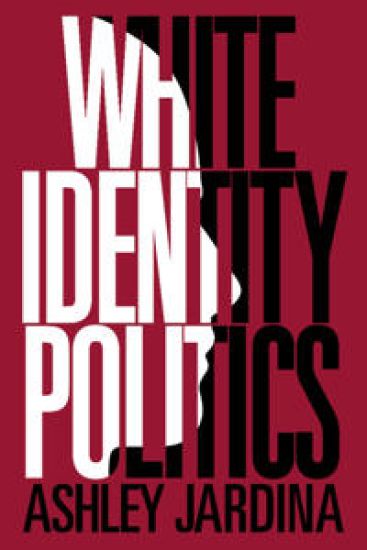
Amidst discontent over America's growing diversity, many white Americans now view the political world through the lens of a racial identity. Whiteness was once thought to be invisible because of whites' dominant position and ability to claim the mainstream, but today a large portion of whites actively identify with their racial group and support policies and candidates that they view as protecting whites' power and status. In White Identity Politics, Ashley Jardina offers a landmark analysis of emerging patterns of white identity and collective political behavior, drawing on sweeping data. Where past research on whites' racial attitudes emphasized out-group hostility, Jardina brings into focus the significance of in-group identity and favoritism. White Identity Politics shows that disaffected whites are not just found among the working class; they make up a broad proportion of the American public - with profound implications for political behavior and the future of racial conflict in America.