Kirjojen hintavertailu – 12 903 724 kirjaa ja 27 kauppaa
Kirjailija
Ashok K. Singh
Kirjat ja teokset yhdessä paikassa: 11 kirjaa, julkaisuja vuosilta 2014–2025, suosituimpiin kuuluu Engineered Nanoparticles. Vertaile teosten hintoja ja tarkista saatavuus suomalaisista kirjakaupoista.
According to the 2018 National Survey on Drug Use and Health, 14.4 million adults aged 18 and older had alcohol use disorder (AUD). Mixing alcohol with other drugs such as opioids or cocaine has become an emerging trend, exacerbating public health concerns and may synergistically augment the seriousness of the adverse effects such as withdrawal symptoms, cardiovascular disorders, liver damage, reproductive abnormalities, and behavioral abnormalities. Despite the seriousness of the situation, possible mechanisms underlying the addiction and the withdrawal symptoms is not yet understood. This has been one of the key hindrances in developing effective treatment. Neurobiology of Alcohol and the Brain addresses the addiction-related problems reviewing both the mechanisms and withdrawal system with alcohol addiction. First, the book discusses the mechanisms of the rewarding and aversive effects, including addiction and the withdrawal symptoms of alcohol drinking. Next, alcohol's interaction with other drugs and ensuing adverse consequences is discussed including current and novel treatments against alcoholism. This is followed by a closer look at mental health and alcohol use disorder comorbidity. Lastly, the reader is provided with examples of an experimental study that describes possible protective effects of gold nanoparticles against alcohol addiction in rats subjected to alcohol self-administration. Neurobiology of Alcohol and the Brain will unlock the mechanistic diversities of alcoholism helping to facilitate future developments of new, personalized treatment options for patients suffering from alcohol addiction.
Engineered Nanoparticles: Structure, Properties and Mechanisms of Toxicity is an indispensable introduction to engineered nanomaterials (ENM) and their potential adverse effects on human health and the environment. Although research in the area of pharmacology and toxicology of ENM is rapidly advancing, a possible correlation between their physicochemical properties and biomedical properties or toxicity is not yet fully understood. This understanding is essential to develop strategies for the safe applications and handling of ENM. The book comprehensively defines the current understanding of ENM toxicity, first describing these materials and their physicochemical properties, and then discussing the toxicological theory and methodology before finally demonstrating the potential impact of ENM on the environment and human health. It represents an essential reference for students and investigators in toxicology, pharmacology, chemistry, material sciences, medicine, and those in related disciplines who require an introduction to ENM and their potential toxicological effects.
This volume discusses and analyses the use of quantitative indicators to assess sustainability across sectors, with the goal of offering readers the tools to choose and validate indicators. Sustainability (SU) and sustainable development (SD) are critical for survival of humanity, but fraught with both definitional and measurement issues. SU and SD are complex multidimensional processes exhibiting (i) social, cultural, and economic variabilities, (ii) a lack of unified definition, and (iii) conceptual vagueness. These deficiencies complicate attempts to measure the effectiveness of SU/SD efforts and make comparisons across programs and geographies difficult. This book explains, in clear terms, the causes, consequences, and assessment of SU and SD deficiencies. An indicator developed for one geographical or climate region may or may not accurately assess sustainability status of another system in different region. That is why, in spite of plenty indicators currently available, there is a need to validate existing or new indicators to assess sustainability. This book develops a database of indicators targeting different aspects of SU and SD and discusses the indicators’ elasticity, range, advantages and disadvantages. The book also provides theoretical and applied information regarding selection of indicators online and/or design new indicators. This volume is targeted toward faculty and graduate/postgraduate scholars working in research areas relevant to sustainability, especially those looking for assessment methodologies and advice on selection and validation of relevant indicators.
This is a concise book with comprehensive information on coal and biomass ash generated from their combustion in thermal power plants. It presents detailed studies on ash generated from contrasting coal and biomass feedstocks, and provides a comparative evaluation of these different ashes in terms of their origin, properties, environmental hazards. Potential utilizations with specific advantages and disadvantages of the respective ashes are elaborated in detail, including some innovative means of ash utilization for value addition purposes. By addressing both the theory and commercial exploitation of these products, this book will be helpful for industrialists, academicians and researchers alike.
This is a concise book with comprehensive information on coal and biomass ash generated from their combustion in thermal power plants. It presents detailed studies on ash generated from contrasting coal and biomass feedstocks, and provides a comparative evaluation of these different ashes in terms of their origin, properties, environmental hazards. Potential utilizations with specific advantages and disadvantages of the respective ashes are elaborated in detail, including some innovative means of ash utilization for value addition purposes. By addressing both the theory and commercial exploitation of these products, this book will be helpful for industrialists, academicians and researchers alike.
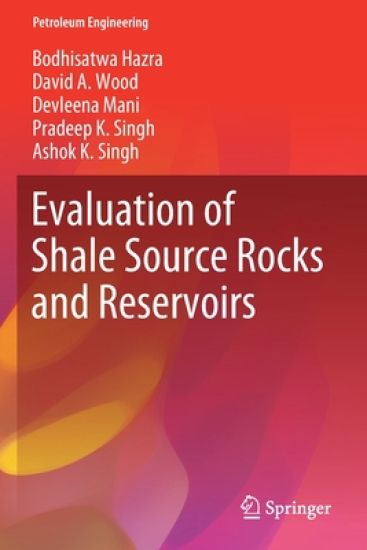
This book details the analytical processes, and interpretation of the resulting data, needed in order to achieve a comprehensive source-rock evaluation of organic-rich shales. The authors employ case studies on Permian and Cretaceous shales from various Indian basins and other petroleum-bearing basins around the world to illustrate the key features of their organic-rich shale characterization methodology. These case studies may also help to identify potential zones within shale formations that could be exploited for commercial gas and/or oil production. Given its scope, the book will be of interest to all researchers working in the field of source-rock analysis. In addition, the source-rock evaluation techniques – and the various intricacies associated with them – discussed here offer valuable material for postgraduate geology courses.
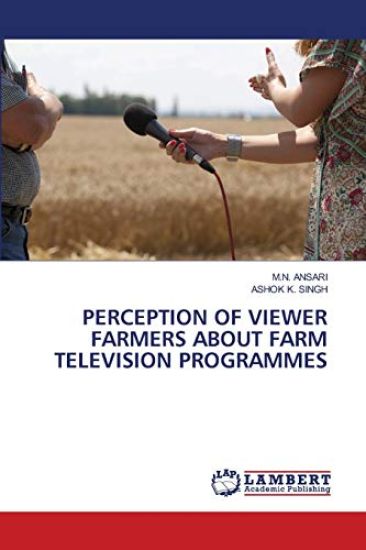
Today, communication is assuming an important role in every sphere of human life including the area of agriculture. The higher media utilization and indulgence in various forms of communication have made a significant impact on agricultural development scenario. The benefits of latest farm technology can, however, be realized only if it is shared by the millions of farmers, who are ultimate users. Communication media play a vital role in transfer of agricultural technologies to the farmers. It minimizes the gap between the utility of a new agricultural technology and its transfer to the farmers. There are several mass communication media like television, films, slides, radio, literature, documentaries, dramas, exhibitions, tours etc. Among the different sources of mass media, television has been universally acclaimed as a very powerful audio-visual medium of mass communication. While it provides words with pictures like that of movies, it far surpasses the latter in its high capacity to reach the largest number of people in the shortest possible time, more often in a situation where audience could see and hear about the message with attention. Although radio is equally capable of reaching to millions in minutes, the visual in television has a distinct advantage over the radio. TV can deal with typical problems by showing them as they are present in the nature and depict the actual methods and techniques of dealing with the same as recommended by persons known for their expertise and trustworthiness. They could also see the effects of the adoption of the recommended practice (s). This enhances the credibility of the message. People learn through the eyes and ears both, and thus remember things better. Further, T. V. viewing does not demand the knowledge, strain and discipline needed to read the printed media. Findings of several studies confirm that agriculture and rural development programmes on TV need to be given sharpness, and thrust so as to make them more useful and relevant. It is, therefore, proposed to study the farmers viewing behaviour of farm telecast programmes and identify reasons for non-viewing or dropping out so that communication process for rural development may be armed with sufficient knowledge related with appropriate feedback and to make occasional necessary midway corrections in order to sustain the farmers interest continuously. The findings of personal and socio-economic characteristics of farmers shall present the nature of farmers which will be of immense help to those who are involved in the socio-economic development of the farming community. It will further suggest some ways for making different media popular as a source of farm information among the farmers. The results on viewing behaviour and attitude towards farm television programmes will work as indicators of how much farmers are interested in using television media and their liking and disliking. The findings of programme preferences and constraints of non-viewing of farm television programmes will also give some insight to media personnel for bringing about improvement in planning, preparation and production of interactive and participatory farm and home programme for the farmers. Therefore, it is hoped that findings of this study will be of great value and use to the planners, policy makers, extension workers and students of extension education who are working in the field of communication media for agricultural and rural development.
This book details the analytical processes, and interpretation of the resulting data, needed in order to achieve a comprehensive source-rock evaluation of organic-rich shales. The authors employ case studies on Permian and Cretaceous shales from various Indian basins and other petroleum-bearing basins around the world to illustrate the key features of their organic-rich shale characterization methodology. These case studies may also help to identify potential zones within shale formations that could be exploited for commercial gas and/or oil production. Given its scope, the book will be of interest to all researchers working in the field of source-rock analysis. In addition, the source-rock evaluation techniques – and the various intricacies associated with them – discussed here offer valuable material for postgraduate geology courses.