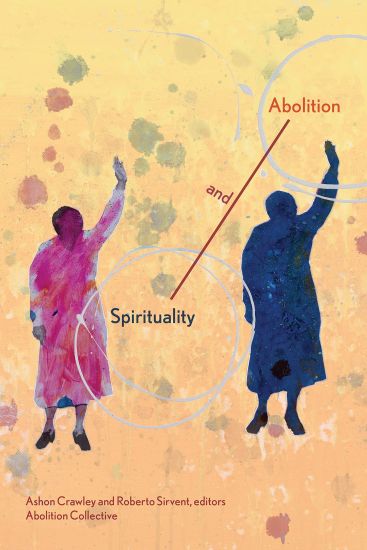
Spirituality and Abolition
Ashon Crawley; Roberto Sirvent
Common Notions
2023
pokkari
Halvin toimitettuna 27,70 €
Abolition can be a spiritual practice, a spiritual journey, and a spiritual commitment. What does abolition mean and how can we get there as a collective and improvisational project? To posit the spirituality of abolition, is to consider the ways historical and contemporary movements against slavery, prisons, the wage system, animal and earth exploitation, racialized, gendered, and sexualized violence, and the death penalty necessitate epistemologies that have been foreclosed through violent force by Western thought of philosophical and theological kinds. It is also to claim that the material conditions that will produce abolition are necessarily Black, Indigenous, queer and trans, feminist, and also about disabled and other non-conforming bodies in force and verve. Abolition and Spirituality asks what can prison abolition teach us about spiritual practice, spiritual journey, spiritual commitment? And, what can these things underscore about the struggle for abolition as a desired manifestation of material change in worlds we inhabit currently? Collecting writings, poetry, and art from thinkers, organizers, and incarcerated people the editors trace the importance of faith and spirit in our ongoing struggle towards abolitionist horizons.