Kirjojen hintavertailu – 12 903 725 kirjaa ja 27 kauppaa
Kirjailija
Athanasius Schneider
Kirjat ja teokset yhdessä paikassa: 7 kirjaa, julkaisuja vuosilta 2009–2025, suosituimpiin kuuluu No Greater Love: The True Meaning of Martyrdom. Vertaile teosten hintoja ja tarkista saatavuus suomalaisista kirjakaupoista.
No Greater Love: The True Meaning of Martyrdom is a guide to not only the Church's teaching on martyrdom, but a prayerful exposition of the models of Catholic Martyrdom. Born from the sacrifice of Christ--the Faithful Witness--martyrdom remains the Church's most powerful testimony to the Eternal Truth. From the Holy Innocents to modern saints, martyrs have offered their lives in unwavering love and fortitude. This book explores both the visible martyrdom of blood and the hidden martyrdom of desire, revealing how every Christian is called to offer their life in love, even without the sword. Drawing on Scripture, papal wisdom, and the luminous witness of saints, readers are invited to embrace their role in the militant Church, striving toward holiness with courage and charity. In an age of noise, compromise, and confusion, Bishop Athanasius Schneider reminds us: the Truth is worth dying for--and even more, worth living for.
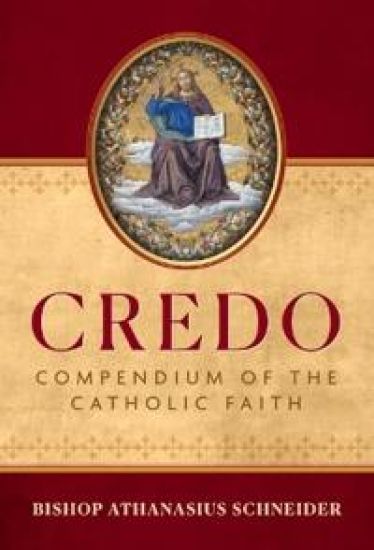
The most up-to-date "catechism" in print For the first time in over fifty years, a Catholic bishop has published his own comprehensive presentation of the Faith--what to believe, how to live, and how to pray as Christ taught. Sure to be a classic for generations to come, Credo: Compendium of the Catholic Faith offers a clear and readable summary of Catholicism as a whole, given in the pastoral style of the apostles. Using the simple and direct "Question-Answer" format so popular among instructors (and internet search engines), Bishop Athanasius Schneider shares a bold new articulation of timeless truths, while also engaging current issues with courage and kindness. After an Introduction outlining Christian identity and doctrine, Part I unpacks what Catholics believe, following the articles of the Apostle's Creed. Part II explains the principles of right moral action, following the Commandments. Part III teaches on grace, the sacraments, p
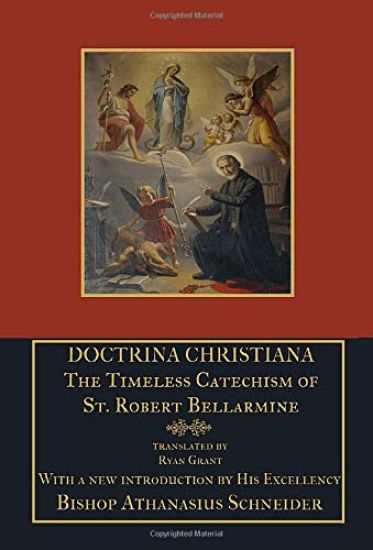
This catechism can be considered as a valid and effective catechetical tool for the work of the evangelization, a work which has to be realized with a new missionary zeal towards those who don't know the Catholic faith and as well towards those who know it defectively and insufficiently. May those who will read this catechism and those who will use it in the noble and meritorious work of teaching Christian doctrine, may be equipped with the sure and sacred doctrine of the Catholic faith, in order to stand, having their loins girt about with truth, and having on the breastplate of righteousness; and their feet shod with the preparation of the gospel of peace; above all, they shall take the shield of faith, wherewith they shall be able to quench all the fiery darts of the wicked (cf. Eph 6: 14-16). In this way they will be ready always to give an answer to every man that asks them the reason of their hope, with meekness and fear (cf. 1 Peter 3: 15-16).-Bishop Athanasius Schneider, from the ForewordFor the first time, St. Robert Bellarmine's long Catechism, written in the form of a dialogue, has been made available in the English Language. This Catechism was composed by St. Robert Bellarmine in 1598 and received Papal approbation from several Popes, most notably Pope Clement VIII and one of the greatest theologians to ever sit on the throne of St. Peter, Pope Benedict XIV. It was translated into Latin for use throughout the Church and has run through a number of editions throughout the centuries. Being written as a dialogue, it goes beyond the rote memorization of other catechisms (including that of Baltimore) by giving a deep explanation of the teachings of the faith with comparisons and parables. What is wholesome about this Catechism is not only the soundness of its doctrine, but the warmth that a great theologian that was accustomed to dealing with complicated matters of theology descends to lovingly explain the basic truths of faith in a manner that average laity can easily understand. It is not for nothing that St. Robert was made the Patron of all Catechists
This catechism can be considered as a valid and effective catechetical tool for the work of the evangelization, a work which has to be realized with a new missionary zeal towards those who don't know the Catholic faith and as well towards those who know it defectively and insufficiently. May those who will read this catechism and those who will use it in the noble and meritorious work of teaching Christian doctrine, may be equipped with the sure and sacred doctrine of the Catholic faith, in order to stand, having their loins girt about with truth, and having on the breastplate of righteousness; and their feet shod with the preparation of the gospel of peace; above all, they shall take the shield of faith, wherewith they shall be able to quench all the fiery darts of the wicked (cf. Eph 6: 14-16). In this way they will be ready always to give an answer to every man that asks them the reason of their hope, with meekness and fear (cf. 1 Peter 3: 15-16).-Bishop Athanasius Schneider, from the ForewordFor the first time, St. Robert Bellarmine's long Catechism, written in the form of a dialogue, has been made available in the English Language. This Catechism was composed by St. Robert Bellarmine in 1598 and received Papal approbation from several Popes, most notably Pope Clement VIII and one of the greatest theologians to ever sit on the throne of St. Peter, Pope Benedict XIV. It was translated into Latin for use throughout the Church and has run through a number of editions throughout the centuries. Being written as a dialogue, it goes beyond the rote memorization of other catechisms (including that of Baltimore) by giving a deep explanation of the teachings of the faith with comparisons and parables. What is wholesome about this Catechism is not only the soundness of its doctrine, but the warmth that a great theologian that was accustomed to dealing with complicated matters of theology descends to lovingly explain the basic truths of faith in a manner that average laity can easily understand. It is not for nothing that St. Robert was made the Patron of all Catechists