Kirjojen hintavertailu – 12 903 725 kirjaa ja 27 kauppaa

Kirjailija

B R Simon Rosser

Kirjat ja teokset yhdessä paikassa: 6 kirjaa, julkaisuja vuosilta 1991–2018, suosituimpiin kuuluu Male Homosexual Behavior and the Effects of AIDS Education. Vertaile teosten hintoja ja tarkista saatavuus suomalaisista kirjakaupoista.

Nimi esiintyy myös muodoissa: B. R. Simon Rosser

6 kirjaa

Kirjojen julkaisuvuodet: 1991–2018.

Male Homosexual Behavior and the Effects of AIDS Education

Male Homosexual Behavior and the Effects of AIDS Education

B R Simon Rosser

Praeger Publishers Inc
1991
sidottu
Since the AIDS epidemic was recognized, information on safer sex has been assumed to be the most crucial means of preventing further spread of the disease. But how well has AIDS education worked? What kinds of education work best and for whom? This study is the first to provide an in-depth analysis of the results of AIDS education programs and to explore the psychosocial factors that affect behavioral responses to education. B. R. Simon Rosser provides a detailed profile of a specific population at risk, including factors such as sexual behavior, psychology, religious affiliation, legal status, and discrimination. Using comparative measures of behavior, personality, social status, attitudes, and risk-taking, he identifies important differences between homosexual men who engage in safer sex and those who do not. Finally, he evaluates the impact of different approaches to AIDS education. Examining both positive and negative effects, Rosser shows that the spread of the HIV virus was actually accelerated by a national education campaign utilizing fear, and contrasts this result with four international gay-sensitive education campaigns that produced positive changes in behavior and lifestyle. He discusses ways in which AIDS education must develop in order to become more effective, together with crucial changes that are needed in both the gay population and the larger community if HIV transmission is to be halted. This study is a valuable resource for education and research in AIDS prevention, sexual behavior, psychovenereology, education, health, and related disciplines.
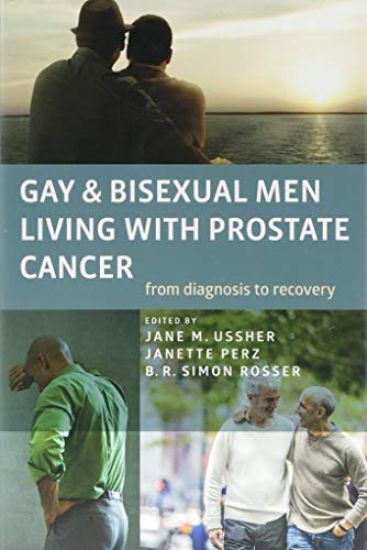
Gay and Bisexual Men Living with Prostate Cancer – From Diagnosis to Recovery

Gay and Bisexual Men Living with Prostate Cancer – From Diagnosis to Recovery

Jane M. Ussher; Janette Perz; B. R. Simon Rosser

Harrington Park Press Inc
2018
nidottu
This book provides an overview of research and practice dealing with the specific needs of gay and bisexual men living with prostate cancer, as well as the special psychosocial needs of their partners. The intention is twofold: to provide insight into the unique experiences and concerns of gay or bisexual men living with prostate cancer in order to inform and assist future research, clinical practice and supportive care, and policy; and to ensure that the needs of gay and bisexual men are recognized and advanced on the mainstream prostate cancer agenda. Featuring both cutting-edge research and powerful portraits of gay and bisexual men living with prostate cancer, this book will be indispensable for health care, oncology, and mental health practitioners who seek to address their specific experiences and challenges.
Gay and Bisexual Men Living with Prostate Cancer – From Diagnosis to Recovery

Gay and Bisexual Men Living with Prostate Cancer – From Diagnosis to Recovery

Jane M. Ussher; Janette Perz; B. R. Simon Rosser

Harrington Park Press Inc
2018
sidottu
This book provides an overview of research and practice dealing with the specific needs of gay and bisexual men living with prostate cancer, as well as the special psychosocial needs of their partners. The intention is twofold: to provide insight into the unique experiences and concerns of gay or bisexual men living with prostate cancer in order to inform and assist future research, clinical practice and supportive care, and policy; and to ensure that the needs of gay and bisexual men are recognized and advanced on the mainstream prostate cancer agenda. Featuring both cutting-edge research and powerful portraits of gay and bisexual men living with prostate cancer, this book will be indispensable for health care, oncology, and mental health practitioners who seek to address their specific experiences and challenges.
New International Directions in HIV Prevention for Gay and Bisexual Men

New International Directions in HIV Prevention for Gay and Bisexual Men

Michael Wright; B R Simon Rosser

Routledge Member of the Taylor and Francis Group
1998
sidottu
It is widely recognized that current HIV intervention models are falling short of their goals. What are the alternatives? To answer this question, New International Directions in HIV Prevention for Gay and Bisexual Men presents a collection of articles from European and American authors that rival dominant paradigms of HIV prevention. Researchers, practitioners, and community organizations will be challenged to examine current assumptions and to consider neglected aspects of risk behavior such as love, trust, and the dynamics of sexual intimacy. New International Directions in HIV Prevention for Gay and Bisexual Men explores models and theories that will help you develop more effective HIV prevention programs to better serve patients and clients. New International Directions in HIV Prevention for Gay and Bisexual Men offers you fresh perspectives on prevention work by examining risk behaviors in the interactional, communal, and social contexts in which they are practiced. You will receive alternative explanations and reasons for HIV risk that go beyond current approaches and that introduce possibilities for new intervention strategies. Written by experts in the field, the chapters in New International Directions in HIV Prevention for Gay and Bisexual Men will give you insight into new ideas and developments, including:placing a greater emphasis on improving successful risk management strategies as opposed to quantifying risk factors examining the meaning and context of sexual acts which occur in casual encounters or steady partnerships and incorporating their relevancy into prevention work considering the effects that cultural context and socially constructed meanings have on prevention work and incorporating individuals’values and feelings into prevention strategies focusing on more realistic goals of harm reduction that take sexual decision making into consideration as opposed to expecting abstinence relating the various aspects of sexual encounters--physical attraction, intimacy, reciprocity, and power--to reasons why men choose not to use condomsExamining how gay men can underestimate the risk of HIV in order to meet needs of intimacy, New International Directions in HIV Prevention for Gay and Bisexual Men will help you understand the symbolic dimension of sexual contact. The normal, everyday reasons for having sex without a condom are explored, questioning models which often characterize unprotected sex as being the result of low self-esteem, substance abuse, or some other psychological vulnerability. Presenting data from both qualitative and quantitative research conducted at group and individual levels, this book reveals the complexity of risk behavior, the richness of sexual experience, and the importance of respecting the unique context in which gay men live their sexual lives. New International Directions in HIV Prevention for Gay and Bisexual Men will help you understand this point of view, enabling you to provide patients and clients with more effective HIV prevention and risk management services.
New International Directions in HIV Prevention for Gay and Bisexual Men

New International Directions in HIV Prevention for Gay and Bisexual Men

Michael Wright; B R Simon Rosser

Routledge Member of the Taylor and Francis Group
1998
nidottu
It is widely recognized that current HIV intervention models are falling short of their goals. What are the alternatives? To answer this question, New International Directions in HIV Prevention for Gay and Bisexual Men presents a collection of articles from European and American authors that rival dominant paradigms of HIV prevention. Researchers, practitioners, and community organizations will be challenged to examine current assumptions and to consider neglected aspects of risk behavior such as love, trust, and the dynamics of sexual intimacy. New International Directions in HIV Prevention for Gay and Bisexual Men explores models and theories that will help you develop more effective HIV prevention programs to better serve patients and clients. New International Directions in HIV Prevention for Gay and Bisexual Men offers you fresh perspectives on prevention work by examining risk behaviors in the interactional, communal, and social contexts in which they are practiced. You will receive alternative explanations and reasons for HIV risk that go beyond current approaches and that introduce possibilities for new intervention strategies. Written by experts in the field, the chapters in New International Directions in HIV Prevention for Gay and Bisexual Men will give you insight into new ideas and developments, including:placing a greater emphasis on improving successful risk management strategies as opposed to quantifying risk factors examining the meaning and context of sexual acts which occur in casual encounters or steady partnerships and incorporating their relevancy into prevention work considering the effects that cultural context and socially constructed meanings have on prevention work and incorporating individuals’values and feelings into prevention strategies focusing on more realistic goals of harm reduction that take sexual decision making into consideration as opposed to expecting abstinence relating the various aspects of sexual encounters--physical attraction, intimacy, reciprocity, and power--to reasons why men choose not to use condomsExamining how gay men can underestimate the risk of HIV in order to meet needs of intimacy, New International Directions in HIV Prevention for Gay and Bisexual Men will help you understand the symbolic dimension of sexual contact. The normal, everyday reasons for having sex without a condom are explored, questioning models which often characterize unprotected sex as being the result of low self-esteem, substance abuse, or some other psychological vulnerability. Presenting data from both qualitative and quantitative research conducted at group and individual levels, this book reveals the complexity of risk behavior, the richness of sexual experience, and the importance of respecting the unique context in which gay men live their sexual lives. New International Directions in HIV Prevention for Gay and Bisexual Men will help you understand this point of view, enabling you to provide patients and clients with more effective HIV prevention and risk management services.
Gay Catholics Down Under

Gay Catholics Down Under

B R Simon Rosser

Praeger Publishers Inc
1992
sidottu
Sexuality and spirituality are two of the most powerful and creative forces we experience as human beings. This work examines how men of Roman Catholic background have come to understand and integrate their homosexuality into daily life. Homosexuality is still a topic immersed in myth and mystery. As well as providing accurate information about intimate aspects of gay men's lives such as coping with HIV and practicing safer sex, Gay Catholics Down Under seeks to raise awareness about spiritual issues for gay men. Each story told provides a unique perspective of what it means to be of Catholic background in Australasia and attracted to men. Several of those interviewed spoke of having no role models and of the isolation growing up not knowing of other gay people. A final chapter reviews the psychosexual implications of the study, including a model of integration of sexual and religious identification, and implications for the gay community and the Church.