Kirjojen hintavertailu – 12 859 828 kirjaa ja 27 kauppaa

Kirjailija

Barbara J. Fields

Kirjat ja teokset yhdessä paikassa: 5 kirjaa, julkaisuja vuosilta 1992–2025, suosituimpiin kuuluu The South. Vertaile teosten hintoja ja tarkista saatavuus suomalaisista kirjakaupoista.

5 kirjaa

Kirjojen julkaisuvuodet: 1992–2025.

The South

The South

Adolph L. Reed; Barbara J. Fields

Verso Books
2025
nidottu
The last generation of Americans with a living memory of Jim Crow will soon disappear. They leave behind a collective memory of segregation shaped increasingly by its horrors and heroic defeat but not a nuanced understanding of everyday life in Jim Crow America. In The South, Adolph L. Reed Jr. - New Orleanian, political scientist, and, according to Cornel West, "the greatest democratic theorist of his generation" - takes up the urgent task of recounting the granular realities of life in the last decades of the Jim Crow South. Reed illuminates the multifaceted structures of the segregationist order. Thanks to his personal history and political acumen, we see America's apartheid system from the ground up, not just its legal framework or systems of power, but the way these systems structured the day-to-day interactions, lives, and ambitions of ordinary working people. The South unravels the personal and political dimensions of the Jim Crow order, revealing the sources and objectives of this unstable regime, its contradictions and weakness, and the social order that would replace it. The South is more than a memoir or a history. Filled with analysis and fascinating firsthand accounts, this book is required reading for anyone seeking a deeper understanding of America's second peculiar institution and the future created in its wake.
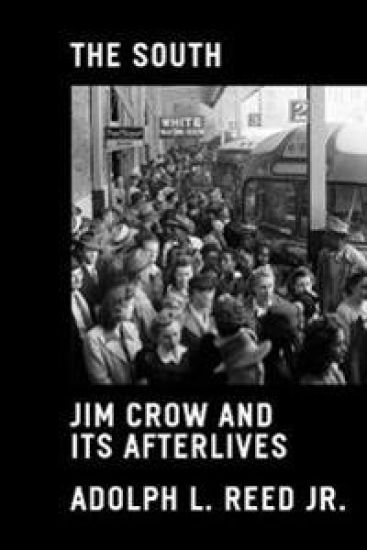
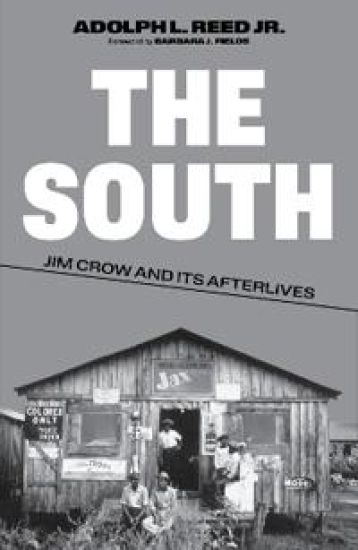
The South

The South

Adolph L. Reed; Barbara J. Fields

Verso Books
2022
sidottu
The last generation of Americans with a living memory of Jim Crow will soon disappear. They leave behind a collective memory of segregation shaped increasingly by its horrors and heroic defeat but not a nuanced understanding of everyday life in Jim Crow America. In The South, Adolph L. Reed Jr. - New Orleanian, political scientist, and according to Cornel West, "the greatest democratic theorist of his generation" - takes up the urgent task of recounting the granular realities of life in the last decades of the Jim Crow South. Reed illuminates the multifaceted structures of the segregationist order. Through his personal history and political acumen, we see America's apartheid system from the ground up, not just its legal framework or systems of power, but the way these systems structured the day-to-day interactions, lives, and ambitions of ordinary working people. The South unravels the personal and political dimensions of the Jim Crow order, revealing the sources and objectives of this unstable regime, its contradictions and precarity, and the social order that would replace it. The South is more than a memoir or a history. Filled with analysis and fascinating firsthand accounts of the operation of the system that codified and enshrined racial inequality, this book is required reading for anyone seeking a deeper understanding of America's second peculiar institution the future created in its wake. With a foreword from Barbara Fields, co-author of the acclaimed Racecraft.
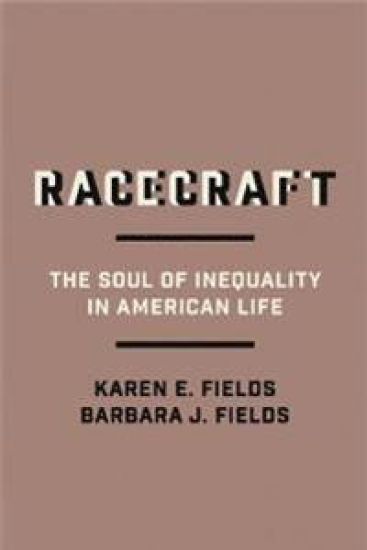
Racecraft

Racecraft

Barbara J. Fields; Karen E. Fields

Verso Books
2022
nidottu

Halvin toimitettuna 19,40 €

Praised by a wide variety of people from Ta-Nehisi Coates to Zadie Smith, Racecraft "ought to be positioned," as Bookforum put it, "at the center of any discussion of race in American life." Most people assume racism grows from a perception of human difference: the fact of race gives rise to the practice of racism. Sociologist Karen E. Fields and historian Barbara J. Fields argue otherwise: the practice of racism produces the illusion of race, through what they call "racecraft." And this phenomenon is intimately entwined with other forms of inequality in American life. So pervasive are the devices of racecraft in American history, economic doctrine, politics, and everyday thinking that the presence of racecraft itself goes unnoticed. That the promised post-racial age has not dawned, the authors argue, reflects the failure of Americans to develop a legitimate language for thinking about and discussing inequality. That failure should worry everyone who cares about democratic institutions.
Freedom: A Documentary History of Emancipation, 1861–1867 2 Volume Paperback Set: Volume 1, The Destruction of Slavery

Freedom: A Documentary History of Emancipation, 1861–1867 2 Volume Paperback Set: Volume 1, The Destruction of Slavery

Barbara J. Fields; Glymph Thavolia; Reidy Joseph P.; Rowland Leslie S.

Cambridge University Press
2010
muu
The American Civil War destroyed slavery in the South. At first, most white Americans denied what would eventually seem self-evident. But black Americans saw clearly that the sectional conflict was their greatest opportunity for liberation. This volume of Freedom presents a documentary record of the transformation of the Civil War into a war against slavery, and the slaves' role in their own emancipation. The Destruction of Slavery shows the process by which a war for Union became a war for freedom. It demonstrates how three interrelated circumstances opened opportunities to slaves: first, the character of slave society; second, the course of the war itself; and third, the policies of the Union and Confederate governments. Together, they made emancipation an uneven, halting, and often tenuous process in which slaves played the central role.
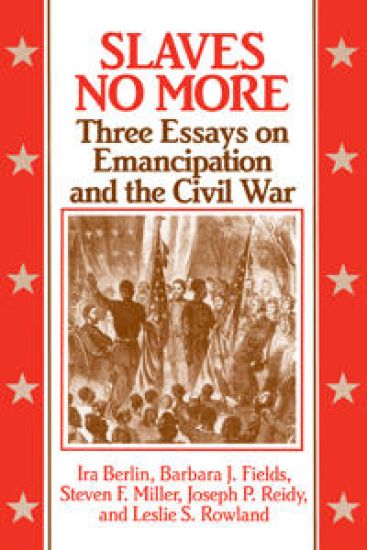
Slaves No More

Slaves No More

Ira Berlin; Barbara J. Fields; Steven F. Miller; Joseph P. Reidy; Leslie S. Rowland

Cambridge University Press
1992
pokkari
The three essays in this volume present an introduction and history of the emancipation of the slaves during the Civil War. The first essay traces the destruction of slavery by discussing the shift from a war for the Union to a war against slavery. The slaves are shown to have shaped the destiny of the nation through their determination to place their liberty on the wartime agenda. The second essay examines the evolution of freedom in occupied areas of the lower and upper South. The struggle of those freed to obtain economic independence in difficult wartime circumstances indicates conflicting conceptions of freedom among former slaves and slaveholders, Northern soldiers and civilians. The third essay demonstrates how the enlistment and military service of nearly 200,000 slaves hastened the transformation of the war into a struggle for universal liberty, and how this experience shaped the lives of these former slaves long after the war had ended.