Kirjojen hintavertailu – 12 903 725 kirjaa ja 27 kauppaa
Kirjailija
Barbara Norman
Kirjat ja teokset yhdessä paikassa: 6 kirjaa, julkaisuja vuosilta 2018–2025, suosituimpiin kuuluu Planning, Urban Design, and Architecture for Climate Action. Vertaile teosten hintoja ja tarkista saatavuus suomalaisista kirjakaupoista.
Jeffrey Raven; Mattia Federico Leone; Sanjukkta Bhaduri; Christian Braneon; David Corbett; David Driskell; Ursula Eicker; John E. Fernandez; Jing Gan; Anna Hürlimann; Ilana Judah; Michael Neuman; Barbara Norman; Dennis Pamlin; Chao Ren; Rob Roggema; Pourya Salehi; Anne Shellum; Joel Towers; Cristina Visconti
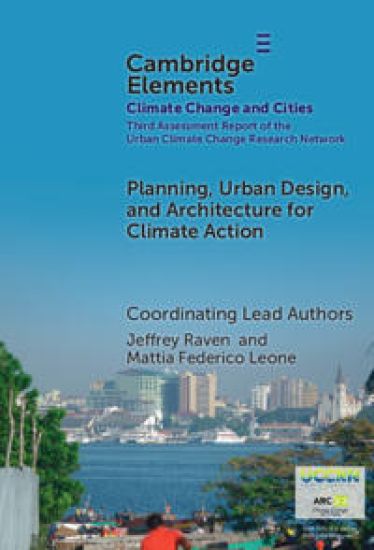
Embedding climate resilient development principles in planning, urban design, and architecture means ensuring that transformation of the built environment helps achieve carbon neutrality, effective adaptation, and well-being for people and nature. Planners, urban designers, and architects are called to bridge the domains of research and practice and evolve their agency and capacity, developing methods and tools consistent across spatial scales to ensure the convergence of outcomes towards targets. Shaping change necessitates an innovative action-driven framework with multi-scale analysis of urban climate factors and co-mapping, co-design, and co-evaluation with city stakeholders and communities. This Element provides analysis on how urban climate factors, system efficiency, form and layout, building envelope and surface materials, and green/blue infrastructure affect key metrics and indicators related to complementary aspects like greenhouse gas emissions, impacts of extreme weather events, spatial and environmental justice, and human comfort. This title is also available as open access on Cambridge Core.
Jeffrey Raven; Mattia Federico Leone; Sanjukkta Bhaduri; Christian Braneon; David Corbett; David Driskell; Ursula Eicker; John E. Fernandez; Gan Jing; Anna Hürlimann; Ilana Judah; Michael Neuman; Barbara Norman; Dennis Pamlin; Ren Chao; Rob Roggema; Pourya Salehi; Anne Shellum; Joel Towers; Cristina Visconti
Embedding climate resilient development principles in planning, urban design, and architecture means ensuring that transformation of the built environment helps achieve carbon neutrality, effective adaptation, and well-being for people and nature. Planners, urban designers, and architects are called to bridge the domains of research and practice and evolve their agency and capacity, developing methods and tools consistent across spatial scales to ensure the convergence of outcomes towards targets. Shaping change necessitates an innovative action-driven framework with multi-scale analysis of urban climate factors and co-mapping, co-design, and co-evaluation with city stakeholders and communities. This Element provides analysis on how urban climate factors, system efficiency, form and layout, building envelope and surface materials, and green/blue infrastructure affect key metrics and indicators related to complementary aspects like greenhouse gas emissions, impacts of extreme weather events, spatial and environmental justice, and human comfort. This title is also available as open access on Cambridge Core.
This book tackles the future challenges and opportunities for planning our cities and towns in a changing climate and recommends key actions for more resilient urban futures. Urban Planning for Climate Change focusses on how urban planning is fundamental to action on climate change. In doing so it particularly looks at current practice and opportunities for innovation and capacity building in the future - carbon neutral development, building back better and creating more resilient urban settlements around the world. The complex challenge of possible urban resettlement from the impact of climate change is covered as a special issue bringing a focus on adaptation, working with nature and delivering real action on climate change with local communities. Norman recommends ten essential actions for urban planning for climate change along with some suggestions to inspire the next generations to embrace these opportunities with creativity and innovation. Featuring key messages and implications for practice in each chapter, this book will be of great interest to students, scholars, practitioners and communities involved in planning more climate resilient urban and regional futures.
In an urbanizing world, the majority of people live in urban settlements predominantly on the coastal edge. Focus has historically been on people, place and the challenges and opportunities of living with global change, and academic attention has largely been on sustainability science or sustainable solutions. This book seeks to strengthen the relatively weak link between sustainability science, land use planning and socio-economic change, and show that a more integrated approach to planning will be required to develop more sustainable pathways for cities and regions in the future. Sustainable Pathways for our Cities and Regions builds on the recent publications on cities and climate change, resilient cities and coasts, and sustainable cities, and looks at the ways in which current planning approaches need to be adapted to embrace concepts including green growth, planetary boundaries, healthy cities and longer-term sustainability. Drawing on case studies from four cities selected for their publicly stated commitment to sustainability – Canberra, Kuala Lumpur, Copenhagen and New York – the author proposes seven sustainable pathways and draws conclusions on the positive contribution planning can make in preparing urban and regional communities for significant change in the twenty-first century city. This book will be of great interest to students and scholars of urban planning, sustainable cities, climate change, green growth and community engagement. It will also be of great value to leaders and community activists seeking more sustainable pathways for their cities and regions.