
Kirjojen hintavertailu – 12 903 725 kirjaa ja 27 kauppaa

Kirjailija

Barbara Puschmann-Nalenz

Kirjat ja teokset yhdessä paikassa: 3 kirjaa, julkaisuja vuosilta 1992–2020, suosituimpiin kuuluu The Orphan in Fiction and Comics since the 19th Century. Vertaile teosten hintoja ja tarkista saatavuus suomalaisista kirjakaupoista.

3 kirjaa

Kirjojen julkaisuvuodet: 1992–2020.

Failure: The Humble Narrative of Unsuccessfulness in Late Modernist Fiction
Failure as a pervasive occurrence in life has rarely been investigated by sociology, even though the collapse of plans, unattainability of goals and breakdown of vital relationships are ordinary experiences. The study of early-21st-century fiction reveals that imaginative literature at present explores the lacunae of failure, disillusionment and collapse as central narrative themes. About fifty years after Samuel Beckett, in whose works the failing of expression became a major concern, postmillennial narratives expose disruption or defeat as subject matter and literary trope. Unheroic failure as a motif makes its variegated appearance in diverse areas of human life such as love, religion, art, and social community. The narratives explore it as the individual’s participation in common humanity.
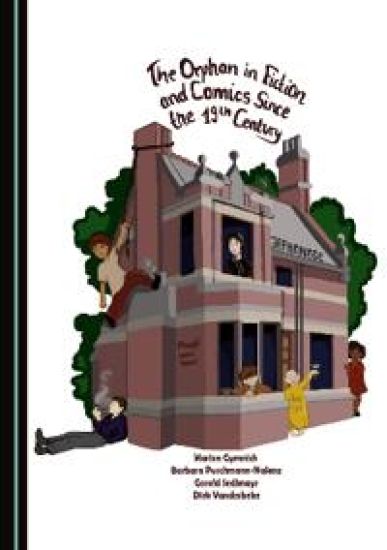
The Orphan in Fiction and Comics since the 19th Century

The Orphan in Fiction and Comics since the 19th Century

Marion Gymnich; Barbara Puschmann-Nalenz; Gerold Sedlmayr

Cambridge Scholars Publishing
2018
sidottu
The orphan has turned out to be an extraordinarily versatile literary figure. By juxtaposing diverse fictional representations of orphans, this volume sheds light on the development of cultural concepts such as childhood, family, the status of parental legacy, individualism, identity and charity. The first chapter argues that the figure of the orphan was suitable for negotiating a remarkable range of cultural anxieties and discourses in novels from the Victorian period. This is followed by a discussion of both the (rare) examples of novels from the first half of the 20th century in which main characters are orphaned at a young age and Anglophone narratives written from the 1980s onward, when the figure of the orphan proliferated once more. The trope of the picaro, the theme of absence and the problem of parental substitutes are among the issues addressed in contemporary orphan narratives. The book also looks at the orphan motif in three popular fantasy series, namely Rowling's Harry Potter septology, Pullman's His Dark Materials trilogy and Martin's A Song of Ice and Fire series. It then traces the development of the orphan motif from the end of the 19th century to the present in a range of different types of comics, including funnies and gag-a-day strips, superhero comics, underground comix, and autobiographical comics.
Science Fiction and Postmodern Fiction

Science Fiction and Postmodern Fiction

Barbara Puschmann-Nalenz

Peter Lang Publishing Inc
1992
muu
In the years after 1950 a new generation of authors began to expand the thematic scope of Science Fiction, while also extending its narrative conventions by introducing ideas from modern psychology and surrealism. Science Fiction shares the new themes - the quest of identity, the relativity of time and consciousness, the overlapping of illusion and reality - with works of modern and especially postmodern fiction. On the other hand, the innovative postmodern fiction of Pynchon, Borges, Vonnegut, and William Burroughs incorporates Science Fiction motifs, thereby blending the two genres. This book, in a series of juxtapositions and contrastive literary analyses, clarifies and questions existing genre borderlines and breaks new ground in the literary theory of postmodern fiction and of Science Fiction.